
One in Three Recent Homebuyers Made an Offer Sight-Unseen

When I came across this article – it stopped me in my tracks.  Would you buy a home sight unseen?

One in Three Recent Homebuyers Made an Offer Sight-Unseen—Up from Nearly One in Five a Year Ago

Written by Rachel Musiker on June 28, 2017

Yet many would be hesitant to move to a place where people have different political views; more than half of Arab, Asian and Latino respondents said immigration orders influenced their moving plans.

In May 2017, Redfin commissioned a survey of 3,350 U.S. residents in 11 metropolitan areas who in the past year bought or sold a home, attempted to do so or plan to do so soon. The purpose of the survey was to better understand the perspectives and experiences of people who were recently in the market to buy or sell a home, and to reveal trends over the past two years since we began commissioning similar surveys.

Following are six major findings:

1) Thirty-three percent of people who bought a home in the last year made an offer without first seeing the home in person. That’s up from 19 percent a year ago.

2) Affordable housing was the most prevalent economic concern, cited by 40 percent of buyers; 21 percent said rising prices led them to search in more affordable metro areas.

3) Forty-one percent of buyers would be hesitant to move to a place where people have different political views from their own.

4) Orders restricting immigration influenced the buying and selling plans of 52 percent of Arab, Asian and Latino respondents; 45 percent of minority buyers felt that sellers and their agents may have been less eager to work with them because of their race.

5) Buyers remain resilient amid the prospect of rising mortgage rates. Just 5 percent said they’d cancel their plans if rates surpass 5 percent.

6) Fifty-one percent of buyers and 46 percent of sellers saved money on real estate commissions.

“Millennials are already starting to set trends in the real estate industry,” said Redfin chief economist Nela Richardson. “They are three times more likely than Baby Boomers to make an offer sight-unseen, and they’re more likely than older buyers and sellers to negotiate commission savings. Despite their tech-savvy confidence, politics are seeping into Millennials’ decisions about where to live; nearly half cited hesitations about moving to a place where their neighbors wouldn’t share their views.”

1. More buyers made offers on homes sight-unseen.

One-third of people who bought a home in the last year said they made an offer on a home without first seeing it in person. That’s up from 19 percent last year and from 21 percent two years ago. Millennials were even more likely to have made an offer sight-unseen, with 41 percent saying they had done so, compared with 30 percent of Gen-Xers and 12 percent of Baby Boomers.

The abundance of photos–including interactive 3D photography like Redfin 3D Walkthrough that lets people virtually walk through Redfin listings–and other information available online about homes for sale helps buyers feel comfortable bidding on a home they haven’t set foot in. But the strong prevalence of sight-unseen bids this year is likely due in great part to the record-fast speed of today’s highly competitive housing market. The typical home that sold in May went under contract in just 37 days, a week faster than homes were selling a year ago and the fastest pace on record since at least 2010 when Redfin began keeping track.

This statistic shocked me.  I know virtual tours can help sell homes, I truly didn’t expect them to replace walking through homes.  However, my buying clients work so hard and such long hours I can see how hard it is for them to see a home during daylight and sometimes waiting till the open house is too late.

2. Buyers’ most common economic concern was affordable housing; one in five said rising home prices caused them to search in another metro area.

Affordable housing was the economic concern most commonly cited by people who bought or tried to buy in the last year, with 40 percent selecting that issue, followed by the income gap between the rich and the poor (38%) and the federal budget deficit (27%). Low on the list of concerns were the trade deficit (13%) and restrictive immigration policies (15%).

With affordable housing a frequent concern, rising home prices drove more than one in five (21%) people who bought or tried to buy a home last year to search for homes in another metro area where homes were more affordable. When asked how high home prices affected their search, buyers were more likely to say only that they searched in more affordable neighborhoods (32%), searched farther outside the city center (26%) or that they considered smaller homes (23%) or fixer-uppers (22%).

3. Many buyers reported hesitations about moving to a place where most people have political views different from their own.

Despite the fact that so many people were relocating for affordability and even making offers on homes they hadn’t seen, many buyers were wary about moving to a place where their neighbors were likely to vote for an opposing candidate. Forty-one percent of people who bought or tried to buy a home in the last year said they would have hesitations about moving to a place where most of the residents do not share their political views. This is largely unchanged from December. Like in the December survey, Millennials were more likely than their elders to be hesitant about this, with 46 percent indicating they had some or significant hesitation, compared with 29 percent of Baby Boomers.

If this trend continues, it would put our neighborhoods at risk of becoming more politically segregated, which could have implications for the electoral map. Redfin recently began reporting on U.S. migration patterns using data on where its website users were searching for homes, and from where they were searching. One of the most salient migration trends in the first quarter was movement from expensive metros like Los Angeles and the Bay Area in the blue state of California to more affordable metros in red states like Texas, Georgia and Arizona. Redfin analysts are conducting further research to reconcile the migration trends seen in its user data with this survey finding and to predict whether these migration patterns could ultimately play a role in future election outcomes.

4. More than half of Arab, Asian and Latino respondents said recent immigration orders influenced their buying or selling plans; 45 percent of all minority respondents thought sellers or agents may have treated them differently because of their race.

Forty-one percent of all respondents indicated that their home-buying or selling plans were affected by the recent executive orders on immigration and visa holder policies, with 6 percent saying they cancelled their home-buying plans indefinitely, and another 12 percent saying they took a step back from homebuying and plan to re-enter the housing market when there is more certainty. Nine percent said they were less likely to sell because of the orders’ possible effects on buyers in their area. The uncertainty also caused 13 percent to sell their home, worried about the possible effect the orders could have on their job or their ability to stay in the country. Meanwhile, 14 percent of respondents said they are more likely to buy, saying the restrictions would improve job prospects and the economy in their area.

Respondents who identified themselves as East Asian American, South Asian American, Arab American or Latino were more likely to have been affected, with more than half (52%) saying the orders influenced their plans, including 9 percent who cancelled their buying plans indefinitely, 16 percent who took a step back from homebuying, 20 percent who were selling because of the uncertainty and 10 percent who said they were less likely to sell because of the orders’ effects on buyers. Thirteen percent among this group said they were more likely to buy because they believe the restrictions will improve their job prospects and the economy in their area.

Redfin agents from many parts of the country reported that when the orders were first introduced at the beginning of the year, several of their buying customers who are originally from other countries backed out of the market due to the uncertainty of their ability to stay in this country long term. However, these departures were most often characterized as temporary, with affected buyers typically saying they were going to wait and see what would happen. In recent weeks, agents have reported that some of these customers have returned to the market, while other buyers have not. A Redfin agent in the Chicago area said this week that two of her buying customers in the country on H1B visas who had backed out of the market at the beginning of the year both recently returned to the market after finding out they’d be able to remain in the country for at least a few more years. Both are now under contract. She also reported that she just listed and sold a home for customers who were not able to renew their H1B visas.

Meanwhile, there was a slight drop in the prevalence of the perception of discrimination among minority homebuyers from December to May. In May, 45 percent of minority respondents who bought or tried to buy a home in the last year said they felt that sellers or their agents may have been less eager to work with them because of their ethnicity or race. That’s down from 49 percent in December, when still nearly half of minority respondents reported they may have been treated differently. The portion of self-identified white respondents who said they may have been discriminated against was largely unchanged from December (28%) to May (29%).

5. Few buyers will stop their search if mortgage rates top 5 percent.

Mortgage rates are expected to rise due to the Federal Reserve’s June 14 announcement that it would raise its benchmark interest rate. We don’t expect to see much of a reaction in the market.

The survey asked people who said they were still looking for a home to buy and/or plan to buy one in the next 12 months about the effect a mortgage rate hike above 5 percent would have on their home-buying plans.

A quarter said it would have no impact, while nearly as many (23%) said they would increase their urgency to buy before rates went up further. Twenty-nine percent said they would slow down their search and see if rates came back down; 18 percent said their urgency wouldn’t change, but they would look in other areas or buy a smaller home. Just 5 percent said they would cancel their home-buying plans altogether.

These results are similar to the breakdown of responses collected from buyers who were asked a similar question in December about how they would react if mortgage rates rose above 4 percent.

6. Half of buyers and sellers saved on real estate fees.

Just over half (51%) of buyers (excluding all those who worked with a Redfin agent) received savings from their agent in the form of a commission refund, a closing-cost contribution or another type of savings. That’s up from 49 percent in December and from 46 percent a year ago. Millennials were the most likely to receive savings, with 59 percent indicating they did, compared to 47 percent of Gen-Xers and 29 percent of Baby Boomers.

Sellers are not far behind. The portion of all (non-Redfin) sellers who successfully negotiated their listing agent’s commission to a lower price rose to 46 percent in May, up from 44 percent in December and 39 percent a year ago. Millennials were also the most likely generation of sellers to have negotiated their listing agent’s commission down, with 63 percent getting a discount, compared to 44 percent of Gen-Xers and 16 percent of Baby Boomers.

This follows a decades-long trend toward declining commissions, according to Real Trends, which reports that the national average real estate commission was 5.12 percent in 2016, down from 5.26 percent in 2015, and from more than 6 percent in the early 90s.

Consumers are likely paying less for real estate brokerage services in part because of the increasing prevalence of companies like Redfin that offer lower-cost alternatives to the traditional real estate model. In 2016, real estate tech companies received more funding than ever before, meaning the options for new, alternative and money-saving ways to buy and sell homes have never been more abundant, and the choices for consumers are likely to grow. Millennials’ expanding role in the housing market–paired with their increased tendency to save on fees–will likely drive a shift in the real estate industry toward these tech-reliant, non-traditional brokerage models.

Affordability continues to shape American communities and the real estate industry

As Millennials continue to enter the housing market, they are likely to drive changes in the way neighborhoods in our cities across the country look and feel, as well as in the way most people buy and sell homes. We now know that issues surrounding affordability and inequality drove major change in our government. The results of this survey reveal how these issues are affecting the way that segments of people are spreading themselves out geographically–with some people driven to new communities in search of affordable homes, others avoiding places where the neighbors would disagree with their politics and still others holding off on putting down roots due to the uncertainty of their future status in this country. If these trends continue, our cities will become less diverse. More inclusionary local zoning policies and builder incentives to create more affordable housing within desirable neighborhoods and near job centers would make these places more accessible to and welcoming of people of all racial, social and economic backgrounds. By enabling more different types of people to live comfortably in the same great neighborhoods, we may begin to narrow the gaps between these diverse groups that, joined together, are the essence of American society.

WHAT ARE YOUR THOUGHTS ON BUYING A HOME SIGHT UNSEEN?

I read this article at: https://www.redfin.com/blog/2017/06/one-in-three-recent-homebuyers-made-an-offer-sight-unseen-up-from-one-in-five-a-year-ago.html?utm_medium=email&utm_campaign=1001830_Blogs&utm_source=strongmail

Remember to follow our Blog for the local real estate beat, a pulse on the San Francisco Peninsula at: https://therealestatebeat.wordpress.com

Got Questions? – The Caton Team is here to help.  

Email Sabrina & Susan at:  Info@TheCatonTeam.com

Call us at: 650-568-5522  Office: 650-365-9200

Want Real Estate Info on the Go?  Download our FREE Real Estate App:  http://thecatonteam.com/mobileapp

HomeSnaphttp://www.homesnap.com/Sabrina-Caton

Visit our Website at:   http://thecatonteam.com/

Visit our INSTAGRAM page:  http://instagram.com/thecatonteam

PINTREST: https://www.pinterest.com/thecatonteam/

Visit us on FACEBOOK:   http://www.facebook.com/pages/Sabrina-Susan-The-Caton-Team-Realtors/294970377834

YELP us at: http://www.yelp.com/biz/the-caton-team-realtors-sabrina-caton-and-susan-caton-redwood-city

Or YELP me:  http://www.yelp.com/user_details_thanx?userid=gpbsls-_RLpPiE9bv3Zygw

Twitterhttps://twitter.com/TheCatonTeam

Connect with us professionally at LinkedInhttps://www.linkedin.com/in/sabrinawendtcaton

https://www.linkedin.com/in/susancatonrealtor

Please enjoy my personal journey through homeownership at:

http://ajourneythroughhomeownership.wordpress.com

Thanks for reading – Sabrina

The Caton Team – Susan & Sabrina – A Family of Realtors

Effective. Efficient. Responsive.  What Can The Caton Team Do For You?

Berkshire Hathaway HomeServices – Drysdale Properties

Sabrina BRE# 01413526 / Susan BRE #01238225 / Team BRE# 70000218/ Office BRE #01499008

The 10 U.S. Cities With the Fastest-Growing Suburbs

The 10 U.S. Cities With the Fastest-Growing Suburbs

By Yuqing Pan

Ever since the modern American suburb sprouted like kudzu in the post-WWII era, we’ve found ourselves in a love-hate relationship of epic proportions.

Love: Owning your own slice of the dream—a home with a front and back yard, far from urban crime, crowds, squalor, and substandard schools. Hate: Leaving behind the thrill and culture of the city and settling into a tragically unhip, homogenized milieu, skewered in all its soul-crushing glory by everyone from Updike to “Stepford Wives” to “Mad Men.”

But here’s the thing: We can’t quit them.

Even the most die-hard urbanites often wake up to realize they crave more space and better public schools at a lower price—while hopefully remaining within commuting distance of the jobs, restaurants, and indie music joints of the Big City.  In some of the nation’s top metro areas, the suburbs are growing faster than the city proper.

And now with an aging millennial generation, and growing interest from minorities, suburban communities are getting a fresh influx of transplants seeking affordable, family-friendly living. From 2010 to 2017, households in the suburbs grew 7.9% nationally, compared with 6.6% growth in urban areas, according to a realtor.com® analysis of Nielsen population data.

“Most high-growth urban areas just don’t have enough land, so prices are higher and homeownership is typically lower,” says Jonathan Smoke, our chief economist. “It’s tempting to live in a walkable urban neighborhood … but the costs make it hard to afford, especially  for large or growing families.”

To pinpoint which suburbs are growing the fastest, our data team looked at where the number of households, home listings, list prices, and demand for homes are growing the fastest for every ZIP code in the 50 largest metro areas—our research portal has a more in-depth analysis of each metro. What did the data reveal?

It turns out America’s most sought-after suburban neighborhoods are often the exurbs of its fastest-expanding metros—places where those white picket-fenced homes often offer a way more affordable option.

  1. Denver, CO

Median urban home price: $544,000

Hottest suburban neighborhood: Northeast Denver (ZIP code: 80239)

Median price in Northeast Denver: $270,000

Suburban savings (moving from the city to the suburbs): 50%

The suburb known as Northeast Denver burst onto our radar with the opening of the surprisingly cool Stanley Marketplace—a chic, food-centric neighborhood center with restaurants, beer halls, and a yoga studio. It’s helping turn the former industrial neighborhood into the next hot spot.

The proof is in the prices. The median home price in the neighborhood jumped 27% last year—making Northeast Denver the fastest-growing suburban neighborhood in our analysis. (That sure makes sense, given that the city of Denver is also growing at a breakneck pace.)

“The Marketplace is one of the things really joining the top 1 percenters and the bottom 10 percenters here,” says Jessica Jiang, a real estate agent with Re/Max Momentum.

Lifelong Northeast Denver resident Jascon Willis, 37, an  oil industry consultant, is witnessing the changes with some apprehension.

“It’s growing,” says Willis, who hopes longtime residents won’t be displaced. “It’s an area in transition.”

Fun fact: Bordering Northeast Denver is the Rocky Mountain Arsenal National Wildlife Refuge, inhabited by 330 species, including coyotes, black-footed ferrets, and bison.

  1. Dallas, TX

Median urban home price: $501,500

Hottest suburban neighborhood: Wylie (ZIP code: 75098)

Median price in Wylie: $369,000

Suburban savings: 26%

For folks who work in central Dallas but want to retreat to suburban security each night, Wylie is turning out to be just the place.

Named one of the safest cities in the U.S. by the website Neighborhood Scout, it’s home to a mix of young families as well as established professionals, with many first-time homeowners. The median home list price in Wylie currently sits at $352,000, around $100,000 above the national median—but hey, safety’s worth it, right?

With buyers eager for homes, new residential construction is booming. In fact, overall economic growth in the area has exerted pressure on the local labor market for more college-educated workers.To that end, the city worked with Collin College to sponsor a large new campus in Wylie, scheduled to open in 2020,

Fun fact: Sorry, the place was NOT named after Wile E. Coyote—the guy who supplied its moniker was railroad engineer Col. William D. Wylie, who helped pave the way for the trains that brought prosperity to Wylie in the 1880s.

  1. San Francisco, CA

Median urban home price: $1,144,000

Hottest suburban neighborhood: Dublin (ZIP code: 94568)

Median price in Dublin: $890,000

Suburban savings: 22%

Just over the hill from Oakland, and nestled in a region referred to as the Tri-Valley Area, Dublin represents a rare pocket of (relative) affordability in the exorbitant San Francisco Bay Area.

Not only do the homes have friendlier prices, but the city’s schools are at the top of the class, too. In fact, seven of them are rated 10 out of 10 on Greatschools.org.

We’re not saying it’s cheap—buyers will still need to pull down a Bay Area salary to buy a home here—but the number of households in this family-friendly ZIP grew 25.6% from 2010 to 2017.

According to Nielsen data, half the housing stock in Dublin has been built since 2000. Much of the city’s growth can be traced to the addition of a Bay Area Rapid Transit station, which opened in the late ‘90s, directly connecting commuters to the metro Bay Area.

To keep pace with rapid growth, the city broke ground last year on a 189-acre community that could build up to 1,995 residential units over the next seven years.

Fun fact: In 2011, the Discovery Channel show “MythBusters” misfired a homemade cannonball and hit a Dublin home during filming. We’re not quite sure what myth it was trying to bust, but Dec. 6 was thereafter named “Victory in the Battle for Dublin.”

  1. Austin, TX

Median urban home price: $494,500

Hottest suburban neighborhood: Daffan (ZIP code: 78724)

Median price in Daffan: $348,000

Suburban savings: 30%

The suburban neighborhood of Daffan may not seem to have much in common with its hip, young city neighbor to the west. In fact, if the hood is known at all, it’s probably as the home to the Decker Creek Power Station. But that’s already starting to change.

Daffan is seeing an influx of new residents who are being priced out of the city as home and rent prices continue to rise sharply. New developments of single-family homes are going up, and suburbanites are moving right in.

And why not? What Austinites may not know is that the neighborhood is also home to the family-friendly Austin Rodeo, Fair and Stock Show as well as the Travis County Exposition Center. The latter hosts everything from rodeos to Kenny Rogers concerts.

Fun fact: The nearly 1,300-acre Walter E. Long Lake, which runs through Daffan, is the ideal place to spend an afternoon catching hybrid striped bass and catfish. Kenny Rogers tunes are optional.

  1. Tampa, FL

Median urban home price: $350,000

Hottest suburban neighborhood: Palm River–Clair Mel (ZIP code: 33619)

Median price in Palm River–Clair Mel: $134,000

Suburban savings: 62%

Last year, we named Tampa the No.1 city where Americans are moving, due to its winning combo of cheap housing and a strong job market. But plenty of area residents don’t want to actually live within the sleepy city’s limits. So instead, they’re heading for the ‘burbs.

Palm River–Clair Mel is becoming ever more popular with cash-strapped families looking for a safe and affordable home. It’s not a cultural mecca, however.

“Most of it is strip malls and residential real estate,” says Kenneth Stillwell, a real estate agent at Spin Real Estate, who specializes in buying homes in foreclosures, fixing them up, and then selling them as rental properties to investors. But “you have a lot of three-bedroom, two-bath homes and four-bedroom, two-bath homes” for a good price, he says.

Fun fact: Palm River–Clair Mel and nearby Progressive Village area were this metro’s first planned low-income housing suburbs.

  1. Orlando, FL

Median urban home price: $278,500

Hottest suburban neighborhood: Vista East (ZIP code: 32829)

Median price in Vista East: $231,500

Suburban savings: 17%

There are plenty of reasons to love Orlando. But one thing residents aren’t so fond of are the quickly rising home prices.

And that’s why they’re moving out to newer neighborhoods on the outskirts of the city, like Vista East, which are still comparatively affordable, and just a half-hour from the soon-to-be-Shamu-free SeaWorld.

“It’s very family-oriented. It has a community pool, a community playground, and it’s very well taken care of,” says Orlando-area Realtor® Jodi Nielsen of Re/Max Select. And it’s growing. “Everywhere you can see construction companies clearing the area and breaking ground.”

Fun fact: Orlando has 100 lakes, many of which are the result of sinkholes.

  1. Miami, FL

Median urban home price: $470,500

Hottest suburban neighborhood: Cutler Bay (ZIP code: 33189)

Median price in Cutler Bay: $290,000

Suburban savings: 38%

Floridians who love living on the water—and want to do it relatively affordably—seem to increasingly be discovering Cutler Bay. The small town, right on Biscayne Bay, is between Miami and North Key Largo, just 45 minutes from either destination.

“It’s far enough away to have that small-town feel,” says Realtor Marcos Fullana of Choice One Real Estate in Cutler Bay. “But it’s close to the beaches and downtown [Miami].”

The best part? “It’s affordable,” he says. “You’re going to get more square feet for your money than if you get closer to downtown Miami.”

Fun fact: Incorporated only in 2006, Cutler Bay is the youngest city in Florida.

  1. San Jose, CA

Median urban home price: $1,149,500

Hottest suburban neighborhood: Milpitas (ZIP code: 95035)

Median price in Milpitas: $850,000

Suburban savings: 26%

For years, the city of Milpitas has been notorious for a noxious and pernicious odor that residents claim originates in the landfills of San Jose, just to the south. The smell even inspired a couple of Twitter accounts (@MilpitasStinks and @MilpitasOdor). But perhaps the acrid air is a small sacrifice to pay for affordable housing in the San Francisco Bay Area?

After all, with top-ranked schools and easy access to most of Silicon Valley, Milpitas is an attractive location for tech professionals with families. Perhaps that’s why the number of households in the city grew 15.5% from 2010 to 2017.

As with Dublin, mass transit will likely play a vital role in Milpitas’ growth. A new BART station set to open in 2017 will link the city with the rest of the Bay Area.

With BART in mind, city officials recently approved a new mixed-use development of condos and retail spaces that they expect will eventually catalyze into something resembling a downtown.

Fun fact: From 1953 to 1983, Milpitas was home to Ford Motors’ primary manufacturing site in Northern California. Today, that site is the Great Mall of the Bay Area, a sprawling indoor mall whose 1.4 million square foot of retail space is anchored by a ginormous Burlington Coat Factory.

  1. Nashville, TN

Median urban home price: $422,000

Hottest suburban neighborhood: Williamsburg in Murfreesboro (ZIP code: 37129)

Median price in Northwest Murfreesboro: $295,000

Suburban savings: 30%

We already know Nashville is cool. But now that’s spilling over into Murfreesboro, 33 miles southwest of Nashville. It’s the 13th fastest-growing city in the U.S., according to U.S. Census data.

In northwest Murfreesboro, neighborhoods like Williamsburg and White Haven have seen a huge influx of eager home buyers. Younger buyers can still get a home for under $250,000 if they’re lucky, says Realtor Brian Copeland with Village Real Estate Services.

Another plus is the presence of two major hospitals—St. Thomas Rutherford Hospital and TriStar StoneCrest Medical Center—right in the heart of Williamsburg/White Haven, providing hundreds of jobs.

Fun fact: Murfreesboro celebrates Uncle Dave Macon Day every July, when people honor the first superstar of the Grand Ole Opry with competitions for old-time music and dancing.

  1. Raleigh, NC

Median urban home price: $418,000

Hottest suburban neighborhood: Apex (ZIP code: 27502)

Median price in Apex: $429,000

Suburban savings: Sorry, you have to pay a 3% premium. Apex is just that awesome.

In case you somehow missed it, Raleigh has become a magnet for millennials on the East Coast, benefiting from a booming job market.

That’s because the metro is home to Research Triangle Park, an area that’s home to more than 200 technology companies, including IBM and Cisco, and top-notch schools like Duke University.

And the hottest neighborhood is Apex. It’s so sought-after that it was rated the best place to live by Money Magazine in 2015.

Along with some of the state’s best schools, the community also boasts some serious small-town charm. Maybe there’s really something to that “peak of good living” town slogan after all.

Fun fact: Apex was a tobacco farming town in the early 1900s, when farmers discovered that its land produced excellent tobacco crops.


I read this article at: http://www.realtor.com/news/trends/cities-with-the-hottest-suburban-neighborhood/?identityID=9851214&MID=2017_0217_WeeklyNL&RID=353497822&cid=eml-2017-0217-WeeklyNL-blog_1_suburbanneighborhoods-blogs_trends

Remember to follow our Blog for the local real estate beat, a pulse on the San Francisco Peninsula at: https://therealestatebeat.wordpress.com

Got Questions? – The Caton Team is here to help.  

Email Sabrina & Susan at: Info@TheCatonTeam.com

Call us at: 650-568-5522 Office: 650-365-9200

Want Real Estate Info on the Go? Download our FREE Real Estate App:  http://thecatonteam.com/mobileapp

HomeSnaphttp://www.homesnap.com/Sabrina-Caton

Visit our Website at:   http://thecatonteam.com/

Visit our INSTAGRAM page: http://instagram.com/thecatonteam

PINTREST: https://www.pinterest.com/thecatonteam/

Visit us on FACEBOOK:   http://www.facebook.com/pages/Sabrina-Susan-The-Caton-Team-Realtors/294970377834

YELP us at: http://www.yelp.com/biz/the-caton-team-realtors-sabrina-caton-and-susan-caton-redwood-city

Or YELP me: http://www.yelp.com/user_details_thanx?userid=gpbsls-_RLpPiE9bv3Zygw

Twitterhttps://twitter.com/TheCatonTeam

Connect with us professionally at LinkedIn: https://www.linkedin.com/in/sabrinawendtcaton

https://www.linkedin.com/in/susancatonrealtor

Please enjoy my personal journey through homeownership at:

http://ajourneythroughhomeownership.wordpress.com

Thanks for reading – Sabrina

The Caton Team – Susan & Sabrina – A Family of Realtors

Effective. Efficient. Responsive.  What Can The Caton Team Do For You?


Berkshire Hathaway HomeServices – Drysdale Properties

Sabrina BRE# 01413526 / Susan BRE #01238225 / Team BRE# 70000218/ Office BRE #01499008


What Makes a Good Mortgage Applicant

Came across this article and felt it was timely – being in the summer swing Real Estate Market…  

What Makes a Good Mortgage Applicant

Lenders use specific criteria to determine whether applicants qualify for a mortgage and what the terms of the loan should be. The Motley Fool highlights several metrics lenders value the most when it comes to approving borrowers for a loan.

How does your client’s income compare to the amount they want to borrow?

Many lenders believe housing costs—which also include property taxes and homeowners insurance—should be less than 28 percent of a person’s income. Lenders may allow borrowers with less debt to take on larger mortgages.

What is your client’s debt load?

Many lenders consider the maximum debt-to-income ratio to be between 36 percent and 43 percent. Lenders expect total debts—which include the cost of the mortgage, other housing expenses, and unpaid debts—not to exceed that percentage. Otherwise, a borrower may not get approved for a loan.

Does your client have good credit?

Lenders will look at your client’s credit score to determine whether they’re a responsible borrower. People with credit scores higher than 740 often get the most favorable mortgage terms. A credit score below 620, on the other hand, could result in the denial of a mortgage. Some subprime lenders may be willing to lend to a borrower at a higher interest rate. But your clients might be better off taking steps to improve their credit and qualify for a more favorable loan, experts say.

What’s your client’s employment situation?

Borrowers who have been employed for only a short time at their most recent job or who have a history of changing jobs frequently may be a red flag for lenders. Many want to see two years of steady income on a borrower’s financial record.

believe Home Ownership is key to long term financial health.  We all need a place to live and fixing that cost over the long term is so important.  Saving for the downpayment is a journey I too am going on.  Maintaining a healthy credit score, cutting down costs and increasing saving each much is part of my regular diet – so I wanted to take a moment and share this article since it was short and concise.  If you are considering a purchase, The Caton Team is happy to sit down with you and map out the way.  Contact us any time – Info@TheCatonTeam.com

– Sabrina 

I read this article at: http://realtormag.realtor.org/daily-news/2017/06/14/what-makes-good-mortgage-applicant?tp=i-H43-Bb-Eg-32lY-1p-EHi7-1c-31VF-kLfrQ&om_rid=725620%20&Om_ntype=RMOdaily&om_mid=910

Remember to follow our Blog for the local real estate beat, a pulse on the San Francisco Peninsula at: https://therealestatebeat.wordpress.com

Got Questions? – The Caton Team is here to help.  

Email Sabrina & Susan at:  Info@TheCatonTeam.com

Call us at: 650-568-5522  Office: 650-365-9200

Want Real Estate Info on the Go?  Download our FREE Real Estate App:  http://thecatonteam.com/mobileapp

HomeSnaphttp://www.homesnap.com/Sabrina-Caton

Visit our Website at:   http://thecatonteam.com/

Visit our INSTAGRAM page:  http://instagram.com/thecatonteam

PINTREST: https://www.pinterest.com/thecatonteam/

Visit us on FACEBOOK:   http://www.facebook.com/pages/Sabrina-Susan-The-Caton-Team-Realtors/294970377834

YELP us at: http://www.yelp.com/biz/the-caton-team-realtors-sabrina-caton-and-susan-caton-redwood-city

Or YELP me:  http://www.yelp.com/user_details_thanx?userid=gpbsls-_RLpPiE9bv3Zygw

Twitterhttps://twitter.com/TheCatonTeam

Connect with us professionally at LinkedInhttps://www.linkedin.com/in/sabrinawendtcaton

https://www.linkedin.com/in/susancatonrealtor

Please enjoy my personal journey through homeownership at:

http://ajourneythroughhomeownership.wordpress.com

Thanks for reading – Sabrina

The Caton Team – Susan & Sabrina – A Family of Realtors

Effective. Efficient. Responsive.  What Can The Caton Team Do For You?

Berkshire Hathaway HomeServices – Drysdale Properties

Sabrina BRE# 01413526 / Susan BRE #01238225 / Team BRE# 70000218/ Office BRE #01499008
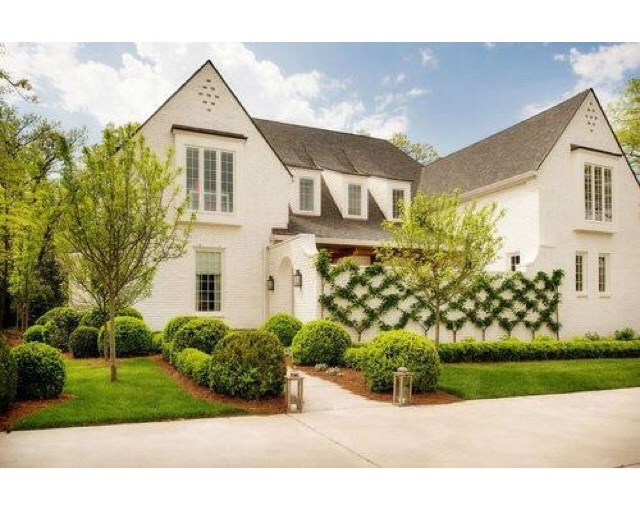
Taking a Vow for a Wedding or a New Home?

Taking a Vow for a Wedding or a New Home?

Getting married and buying a home are two milestones that couples often try to achieve at the same time. But the finances involved in both of those feats can be daunting. The average wedding costs reached a record high in 2016: $35,329. That is about the equivalent of a 20 percent down payment on a $175,000 home.

“There are some people that can do both at the same time, but for most, you have to choose one [goal] and delay the other by a year or two,” says Pamela Capalad, a certified financial planner and founder of Brunch & Budget in Brooklyn, N.Y.

Some couples in wedding prep mode are setting up a gift registry asking for down payment assistance to help in their home purchase instead of filling their registry with traditional house gifts. Cash registries for a home or other major ticket purchases, such as a home renovation or car, are growing more popular as the average ages for brides and grooms increase, says Kristen Maxwell Cooper, executive editor of The Knot. (For example, some couples are using online sites like Deposit a Gift to set up a down payment cash registry.)

“They already have a lot of the stuff you would add to a traditional registry,” Cooper says. “Ultimately they want to make sure that if their friends and family want to give them a gift—and of course, they do—that it’s something useful.”

After all, saving enough for a wedding alone can really add up. Nearly half of couples recently surveyed say they ended up spending more than they intended on their wedding, according to The Knot.

Further, a wedding that overlaps with a home purchase can actually jeopardize closing, in some cases too. Wedding-related debt could damage a person’s credit score.

“Your mortgage qualification is going to be largely based on your income, and your credit,” says Keith Gumbinger, vice president at mortgage site HSH.com. “The last thing you want to do is disturb your credit in any way.”

For Silicon Valley buyers this is a true dilemma.  I loved my wedding and it was a magical day – my advise.  Be frugal at the wedding and add more to that downpayment.  Just make sure you have a great photographer!

I read this article at: http://realtormag.realtor.org/daily-news/2017/03/20/taking-vow-for-wedding-or-new-home?om_rid=AACmlZ&om_mid=_BY0Co2B9Zsr5UW&om_ntype=RMODaily

Remember to follow our Blog for the local real estate beat, a pulse on the San Francisco Peninsula at: https://therealestatebeat.wordpress.com

Got Questions? – The Caton Team is here to help.  

Email Sabrina & Susan at: Info@TheCatonTeam.com

Call us at: 650-568-5522 Office: 650-365-9200

Want Real Estate Info on the Go? Download our FREE Real Estate App:  http://thecatonteam.com/mobileapp

HomeSnaphttp://www.homesnap.com/Sabrina-Caton

Visit our Website at:   http://thecatonteam.com/

Visit our INSTAGRAM page: http://instagram.com/thecatonteam

PINTREST: https://www.pinterest.com/thecatonteam/

Visit us on FACEBOOK:   http://www.facebook.com/pages/Sabrina-Susan-The-Caton-Team-Realtors/294970377834

YELP us at: http://www.yelp.com/biz/the-caton-team-realtors-sabrina-caton-and-susan-caton-redwood-city

Or YELP me: http://www.yelp.com/user_details_thanx?userid=gpbsls-_RLpPiE9bv3Zygw

Twitterhttps://twitter.com/TheCatonTeam

Connect with us professionally at LinkedIn: https://www.linkedin.com/in/sabrinawendtcaton

https://www.linkedin.com/in/susancatonrealtor

Please enjoy my personal journey through homeownership at:

http://ajourneythroughhomeownership.wordpress.com

Thanks for reading – Sabrina

The Caton Team – Susan & Sabrina – A Family of Realtors

Effective. Efficient. Responsive.  What Can The Caton Team Do For You?


Berkshire Hathaway HomeServices – Drysdale Properties

Sabrina BRE# 01413526 / Susan BRE #01238225 / Team BRE# 70000218/ Office BRE #01499008
 

San Mateo County Farmers Markets, Events & Things to Do!

San Mateo County Farmers Markets, Events & Things to Do!

FARMERS MARKETS

Belmont
Year-round: Sun 10:00am-2:00pm
El Camino Real and O’Neill Ave

Brisbane
Year-round: Thur 2:30-6:30pm
11 Old County Road

Daly City
Year-round: Thur & Sat 9:00am-1:00pm
Serramonte Shopping Center 

Foster City
Year-Round: Sat. 9:00am-1:00pm
Sun. 2:30pm-6:30pm
791 Beach Park Blvd. 

Menlo Park
Year-round: Sun. 9:00am-1:00pm
1050 Chestnut St. 

Millbrae
Year-round: Sat. 8:00am-1:00pm
200 Broadway, Millbrae

Redwood City
Multiple Venues and Times – see link

San Mateo
Year-round: Sat. 9:00am-1:00pm
College of San Mateo

San Carlos
Year-round: Sun. 10:00am-2:00pm
700 Block Laurel Street

Events

Community Day in the Park
June 4, 2017
12:00pm-5:00pm
San Bruno City Park

Summer Foodfest
June 24, 2017
12:00pm
Facebook Headquarters

Biggest Little Airshow
June 3, 2017
10:00am
Hiller Aviation Museum
San Carlos

cityFEST
June 2-4, 2017
5:00pm
Leo Ryan Park
Foster City

Summer Concert Series – Beatles Tribute
June 14, 2017
6:30pm-8:00pm
Fremont Park
Menlo Park

Free First Fridays
June 2, 2017
10:00am-4:00pm
San Mateo County History Museum
Redwood City

Movies on the Square – Hidden Figures
June 1, 2017
8:45pm-11:00pm
Courthouse Square
Redwood City

St. Pius Festival
June 3-4, 2017
1:00pm-10:00pm
St. Pius Church
Redwood City

First Fridays
June 2, 2017
10:16am
Barracuda Japanese Restaurant
Burlingame

San Mateo County Fair
June 10-18, 2017
10:00am
San Mateo County Event Center


THINGS TO DO

Planet Granite Belmont
Crystal Springs Regional Trail 
San Bruno Mountain State Park
Half Moon Bay Brewing Company
Peninsula Museum of Art 
Hiller Aviation Museum 
San Mateo County History Museum
Filoli
Bay Area Ski Bus
Devil’s Canyon Brewing Company
Bel Mateo Bowl 
Half Moon Bay State Beach 
Poplar Creek Golf Course
Half Moon Bay Golf Links
CuriOdyssey
S
anchez Adobe
M
emorial Park  
Club Fox
U
nleashed Art Gallery 
Museum of PEZ Memorabilia
GoKart Racer


MOVIES COMING SOON

Friday, June 2, 2017
Wonder Woman
Captain Underpants
Churchill

Friday, June 9, 2017
The Mummy
The Hero

Friday, June 16, 2017
Cars 3
Rough Night
Resident Evil: Vendetta

Friday, June 23, 2017
Transformers: The Last Knight
The Beguiled

Friday, June 30, 2017
Despicable Me 3
The House


Courtesy of Chicago Title Company
17 Father’s Day Activities: Source.

Remember to follow our Blog for the local real estate beat, a pulse on the San Francisco Peninsula at: https://therealestatebeat.wordpress.com

Got Questions? – The Caton Team is here to help.  

Email Sabrina & Susan at:  Info@TheCatonTeam.com

Call us at: 650-568-5522  Office: 650-365-9200

Want Real Estate Info on the Go?  Download our FREE Real Estate App:  http://thecatonteam.com/mobileapp

HomeSnaphttp://www.homesnap.com/Sabrina-Caton

Visit our Website at:   http://thecatonteam.com/

Visit our INSTAGRAM page:  http://instagram.com/thecatonteam

PINTREST: https://www.pinterest.com/thecatonteam/

Visit us on FACEBOOK:   http://www.facebook.com/pages/Sabrina-Susan-The-Caton-Team-Realtors/294970377834

YELP us at: http://www.yelp.com/biz/the-caton-team-realtors-sabrina-caton-and-susan-caton-redwood-city

Or YELP me:  http://www.yelp.com/user_details_thanx?userid=gpbsls-_RLpPiE9bv3Zygw

Twitterhttps://twitter.com/TheCatonTeam

Connect with us professionally at LinkedInhttps://www.linkedin.com/in/sabrinawendtcaton

https://www.linkedin.com/in/susancatonrealtor

Please enjoy my personal journey through homeownership at:

http://ajourneythroughhomeownership.wordpress.com

Thanks for reading – Sabrina

The Caton Team – Susan & Sabrina – A Family of Realtors

Effective. Efficient. Responsive.  What Can The Caton Team Do For You?

Berkshire Hathaway HomeServices – Drysdale Properties

Sabrina BRE# 01413526 / Susan BRE #01238225 / Team BRE# 70000218/ Office BRE #01499008

The Big Down Payment Myth

The Big Down Payment Myth


Having the spare capital to put 20 percent down on a home purchase is great, but it’s certainly not the norm. Still, many people think it is and that belief may be holding some would-be home buyers back, particularly young adults.

Indeed, 39 percent of non-owners say they believe they need more than 20 percent for a down payment on a home purchase. Twenty-six percent believe they need to put down 15 to 20 percent, and 22 percent say they need a down payment of 10 percent to 14 percent to buy, according to the National Association of REALTORS®’ 2017 Aspiring Home Buyers Profile report.

But now for the reality: The average down payment on a purchase mortgage was just 11 percent in 2016. And that’s just the average; often times down payments are much lower. For borrowers under the age of 35, the average down payment was just under 8 percent, according to NAR’s survey.

As such, “aspiring first-time buyers think it takes twice as much to buy a home than it really does,” writes Jonathan Smoke, realtor.com®’s chief economist, in his latest column.

How much a person truly needs for a down payment depends on their situation. Their financial circumstances, home location, and the price of the home are important factors.

But there are many mortgage options that offer the opportunity to make low or even no down payments. For example, the Department of Veterans Affairs and the U.S. Department of Agriculture offer no-money down loans to those who are eligible. In 2016, 16 percent of buyers under the age of 35 put no money down on their home purchase.

Further, the largest share of loans for buyers under age 35 last year were for people putting down less than 5 percent on a home purchase (or about $3,500). The 3 percent down payment programs backed by Fannie Mae and Freddie Mac, and the 3.5 percent FHA mortgage that primarily targets first-time buyers, are both helpful programs to consider. These loan programs don’t require unblemished credit either. The average FICO score was 713, but realtor.com® notes borrowers with a 639 were still getting approved.

As such, Smoke says the millennial dreaming about homeownership needs to get this message: They need a FICO score of at least 639 and enough for a 5 percent down payment (that is, if they don’t qualify for the other programs with lower payment options). In that case, they’ll need to save about $3,500 to buy in the typical American town.


I read this article at: http://realtormag.realtor.org/daily-news/2017/02/15/big-down-payment-myth?om_rid=AACmlZ&om_mid=_BYpJckB9YecvKz&om_ntype=RMODaily


Remember to follow our Blog for the local real estate beat, a pulse on the San Francisco Peninsula at: https://therealestatebeat.wordpress.com

Got Questions? – The Caton Team is here to help.  

Email Sabrina & Susan at: Info@TheCatonTeam.com

Call us at: 650-568-5522 Office: 650-365-9200

Want Real Estate Info on the Go? Download our FREE Real Estate App:  http://thecatonteam.com/mobileapp

HomeSnaphttp://www.homesnap.com/Sabrina-Caton

Visit our Website at:   http://thecatonteam.com/

Visit our INSTAGRAM page: http://instagram.com/thecatonteam

PINTREST: https://www.pinterest.com/thecatonteam/

Visit us on FACEBOOK:   http://www.facebook.com/pages/Sabrina-Susan-The-Caton-Team-Realtors/294970377834

YELP us at: http://www.yelp.com/biz/the-caton-team-realtors-sabrina-caton-and-susan-caton-redwood-city

Or YELP me: http://www.yelp.com/user_details_thanx?userid=gpbsls-_RLpPiE9bv3Zygw

Twitterhttps://twitter.com/TheCatonTeam

Connect with us professionally at LinkedIn: https://www.linkedin.com/in/sabrinawendtcaton

https://www.linkedin.com/in/susancatonrealtor

Please enjoy my personal journey through homeownership at:

http://ajourneythroughhomeownership.wordpress.com

Thanks for reading – Sabrina

The Caton Team – Susan & Sabrina – A Family of Realtors

Effective. Efficient. Responsive.  What Can The Caton Team Do For You?


Berkshire Hathaway HomeServices – Drysdale Properties

Sabrina BRE# 01413526 / Susan BRE #01238225 / Team BRE# 70000218/ Office BRE #01499008


Consumer Confidence in Housing Hits All-Time High

Consumer Confidence in Housing Hits All-Time High


WASHINGTON, DC – The Fannie Mae Home Purchase Sentiment Index® (HPSI) increased by 5.6 percentage points in February to 88.3, a new all-time high. Five of the six components that comprise the HPSI were up, and three hit record highs. The net share of Americans who reported that now is a good time to buy rose 11 percentage points, while the net share who believe that now is a good time to sell rose 7 percentage points. Consumers also demonstrated greater confidence about not losing their jobs, with the net share rising 9 percentage points. On net, the share of respondents reporting that their household income is significantly higher than it was 12 months ago increased 4 percentage points. Additionally, more Americans expect home prices to go up, with the net share rising 3 percentage points. The net share of those who think mortgage rates will go down over the next 12 months remained unchanged for the third consecutive month.

“The latest post-election surge in optimism puts the HPSI at its highest level since its starting point in 2011. Millennials showed especially strong increases in job confidence and income gains, a necessary precursor for increased housing demand from first-time homebuyers,” said Doug Duncan, senior vice president and chief economist at Fannie Mae. “Preliminary research results from our team find that millennials are accelerating the rate at which they move out of their parents’ homes and form new households. However, continued slow supply growth implies continued strong price appreciation and affordability constraints facing millennials and first-time buyers in many markets.”

HOME PURCHASE SENTIMENT INDEX – COMPONENT HIGHLIGHTS

Fannie Mae’s 2017 Home Purchase Sentiment Index (HPSI) increased in February by 5.6 percentage points to 88.3. The HPSI is also up 5.6 percentage points compared with the same time last year.

  • The net share of Americans who say it is a good time to buy a house rose 11 percentage points to 40%, rebounding strongly from last month’s survey low.
  • The net percentage of those who say it is a good time to sell increased by 7 percentage points to 22%, reaching a new survey high.
  • The net share of Americans who say that home prices will go up increased by 3 percentage points in February to 45%.
  • The net share of those who say mortgage rates will go down over the next twelve months remained constant for the third consecutive month at -55%.
  • The net share of Americans who say they are not concerned about losing their job rose 9 percentage points to a new survey high of 78%.
  • The net share of Americans who say their household income is significantly higher than it was 12 months ago rose 4 percentage points to 19% in February, continuing the increase from January and reaching a new survey high.

ABOUT FANNIE MAE’S HOME PURCHASE SENTIMENT INDEX

The Home Purchase Sentiment Index (HPSI) distills information about consumers’ home purchase sentiment from Fannie Mae’s National Housing Survey® (NHS) into a single number. The HPSI reflects consumers’ current views and forward-looking expectations of housing market conditions and complements existing data sources to inform housing-related analysis and decision making. The HPSI is constructed from answers to six NHS questions that solicit consumers’ evaluations of housing market conditions and address topics that are related to their home purchase decisions. The questions ask consumers whether they think that it is a good or bad time to buy or to sell a house, what direction they expect home prices and mortgage interest rates to move, how concerned they are about losing their jobs, and whether their incomes are higher than they were a year earlier.

ABOUT FANNIE MAE’S NATIONAL HOUSING SURVEY

The most detailed consumer attitudinal survey of its kind, Fannie Mae’s National Housing Survey (NHS) polled 1,000 Americans via live telephone interview to assess their attitudes toward owning and renting a home, home and rental price changes, homeownership distress, the economy, household finances, and overall consumer confidence. Homeowners and renters are asked more than 100 questions used to track attitudinal shifts, six of which are used to construct the HPSI (findings are compared with the same survey conducted monthly beginning June 2010). As cell phones have become common and many households no longer have landline phones, the NHS contacts 60 percent of respondents via their cell phones (as of October 2014). For more information, please see the Technical Notes. Fannie Mae conducts this survey and shares monthly and quarterly results so that we may help industry partners and market participants target our collective efforts to stabilize the housing market in the near-term, and provide support in the future. The February 2017 National Housing Survey was conducted between February 1, 2017 and February 21, 2017. Most of the data collection occurred during the first two weeks of this period. Interviews were conducted by Penn Schoen Berland, in coordination with Fannie Mae.

DETAILED HPSI & NHS FINDINGS

For detailed findings from the February 2017 Home Purchase Sentiment Index and National Housing Survey, as well as a brief HPSI overview and detailed white paper, technical notes on the NHS methodology, and questions asked of respondents associated with each monthly indicator, please visit the Surveys page on fanniemae.com. Also available on the site are in-depth special topic studies, which provide a detailed assessment of combined data results from three monthly studies of NHS results.


I read this article at: http://www.fanniemae.com/portal/media/corporate-news/2017/february-home-purchase-sentiment-index-6527.html

Remember to follow our Blog for the local real estate beat, a pulse on the San Francisco Peninsula at: https://therealestatebeat.wordpress.com

Got Questions? – The Caton Team is here to help.  

Email Sabrina & Susan at: Info@TheCatonTeam.com

Call us at: 650-568-5522 Office: 650-365-9200

Want Real Estate Info on the Go? Download our FREE Real Estate App:  http://thecatonteam.com/mobileapp

HomeSnaphttp://www.homesnap.com/Sabrina-Caton

Visit our Website at:   http://thecatonteam.com/

Visit our INSTAGRAM page: http://instagram.com/thecatonteam

PINTREST: https://www.pinterest.com/thecatonteam/

Visit us on FACEBOOK:   http://www.facebook.com/pages/Sabrina-Susan-The-Caton-Team-Realtors/294970377834

YELP us at: http://www.yelp.com/biz/the-caton-team-realtors-sabrina-caton-and-susan-caton-redwood-city

Or YELP me: http://www.yelp.com/user_details_thanx?userid=gpbsls-_RLpPiE9bv3Zygw

Twitterhttps://twitter.com/TheCatonTeam

Connect with us professionally at LinkedIn: https://www.linkedin.com/in/sabrinawendtcaton

https://www.linkedin.com/in/susancatonrealtor

Please enjoy my personal journey through homeownership at:

http://ajourneythroughhomeownership.wordpress.com

Thanks for reading – Sabrina

The Caton Team – Susan & Sabrina – A Family of Realtors

Effective. Efficient. Responsive.  What Can The Caton Team Do For You?


Berkshire Hathaway HomeServices – Drysdale Properties

Sabrina BRE# 01413526 / Susan BRE #01238225 / Team BRE# 70000218/ Office BRE #01499008


9 Genius Hiding Places for All Your Valuables

9 Genius Hiding Places for All Your Valuables

By Holly Amaya


Just in case you haven’t had your fill of troubling news lately, try this: Today’s thieves are smarter—and more brazen—than ever. More than half of them strike during daylight hours, and an astonishing 34% go in right through your front door!

(Happened on our street at High Noon and NO ONE NOTICED!)

So whether you’re on vacation or just away at work, the chances are depressingly high that your not-so-friendly neighborhood thieves are watching. If you keep valuables in the house and not in a safe deposit box, you’ll need to think about how to take your home security system to the next level. And while no security system is foolproof, a little clever thinking and a few stealthy hiding places can go a long way in safeguarding your stuff.

Take a look at these nine brilliant hacks for hiding your precious belongings from the bad guys.

  1. Inside boxes in the garage

Home security experts tend to agree: When it comes to stashing the good stuff, you can’t get much better than the garage, which thieves are far less likely to explore. Try tucking valuables inside boxes innocently marked with labels such as “Winter Clothes” or “Christmas Ornaments,” the International Association of Certified Home Inspectors recommends. The more boxes you have, the longer an intruder will have to search—and the more likely he is to be caught.

Garages also offer a plethora of in-plain-sight spots to hide your goodies: Consider placing small items at the bottom of tool boxes (just use box inserts to separate them from your tools). Or nab one of these diversion safe cans to hide cash. If your house is anything like mine, you likely have a bunch of half-used cans of paint hanging around shelves. Put those cans to work for you by cleaning them thoroughly and hiding your valuables inside.

  1. Your kitchen

There are lots of diversion safes that look like common kitchen or household items, making them far more likely to be passed over during a burglary. Cash in the salt shaker! Antique diamond rings in your canned goods! The possibilities are truly endless.

If you’d prefer not to spend money on fake food items, create a hiding spot out of used condiment bottles. Clean them thoroughly, and then spray-paint the inside before tucking in your valuables. And don’t forget the freezer: Consider stashing important documents or cash there in a plastic container covered with foil.

  1. Fake pipes, vents, wall outlet plates, etc.

By now you might be thinking, “Isn’t this what safes are for?” But it turns out, a safe’s not always so safe—bad guys can easily snag it in a quick smash-and-grab burglary (unless you cleverly hide it and/or securely bolt it to a wall).

Home experts will tell you that storing your valuables in fake versions of home fixtures provides great alternative ways to foil robbers. Think: PVC pipes, air vents, closet lights, thermostats, and behind wall outlets (à la our favorite antihero Walter White). You’ll want to use fake versions in case, heaven forbid, there’s a fire, or you forget your entire emergency fund is in the vent that your HVAC guy just crawled into.

Sure, it takes a little elbow grease (and, depending on the extent of the project and your temperament, a load of patience), but if you’re at all creatively inclined, these projects can pay off in spades for a fraction of the cost of professional security solutions.

  1. A bookcase box

Feeling crafty? Create a secret bookcase box to store larger valuables. Gather your supplies: cardboard box, painter’s tape, table saw, white glue, E-6000 glue, box cutter, sandpaper, and measuring tape.

Remove the top flaps from the box and gather as many hardcover books as possible. Wrap the books with painter’s tape and then cut off their spines using the table saw.  Apply white glue to the surfaces you just cut, remove the painter’s tape from the spines, and glue the spines one by one to the front of the box. (Use sandpaper if the box is glossy; this will ensure the glue sticks better.) Once everything dries, you’re set.

If you’d rather make your box out of something sturdier, this video offers a great primer.

  1. An old vacuum

Scour yard scales for an old canister-style vacuum cleaner. You can remove the bag and easily stash things such as birth certificates and other sensitive documents inside. (Just be sure to either clean the bag or place your docs in a plastic bag first. And, um, don’t forget they’re in there.)

  1. Inside your child’s room

Thieves typically spend the 8 to 12 minutes they’re inside your home searching the master bedroom for jewelry and cash, or the home office for laptops and other electronics, according to home security expert Robert Siciliano.

They’re way less likely to enter a child’s room, so hiding valuables in the mess of a kid’s space (whether in plain sight amid the chaos, barely concealed in a bookcase, or in a bolted-down safe or other container) is statistically safer than stashing those same goods elsewhere.

  1.  Behind some cleverly placed art

We love this one: Replace the mirror from a medicine cabinet with some wall art. Then, hang it wherever you’d like (preferably in an unexpected spot such as a hallway, dining room, or kitchen).

8. Inside your dresser

This one will make you feel a little like James Bond: You can create a secret compartment at the bottom of your dresser drawers. All you need is a thin piece of plywood, measuring tape, sandpaper, and box cutter or saw. The goal is to create a space for your valuables below a “false bottom” in the drawer. Easy!

  1. Inside your doors

The experts at The Family Handyman offer this genius tip: Drill a hole at the top of any interior door (taking care to stay close to the outside edges if working with a hollow-core door), and use the tiny space to stash spare cash.

And now that this has been blogged – find a totally different place to stash your goods!


I read this article at: http://www.realtor.com/advice/home-improvement/genius-hiding-places-for-valuables/?identityID=9851214&MID=2017_0224_WeeklyNL&RID=353497822

Remember to follow our Blog for the local real estate beat, a pulse on the San Francisco Peninsula at: https://therealestatebeat.wordpress.com

Got Questions? – The Caton Team is here to help.  

Email Sabrina & Susan at: Info@TheCatonTeam.com

Call us at: 650-568-5522 Office: 650-365-9200

Want Real Estate Info on the Go? Download our FREE Real Estate App:  http://thecatonteam.com/mobileapp

HomeSnaphttp://www.homesnap.com/Sabrina-Caton

Visit our Website at:   http://thecatonteam.com/

Visit our INSTAGRAM page: http://instagram.com/thecatonteam

PINTREST: https://www.pinterest.com/thecatonteam/

Visit us on FACEBOOK:   http://www.facebook.com/pages/Sabrina-Susan-The-Caton-Team-Realtors/294970377834

YELP us at: http://www.yelp.com/biz/the-caton-team-realtors-sabrina-caton-and-susan-caton-redwood-city

Or YELP me: http://www.yelp.com/user_details_thanx?userid=gpbsls-_RLpPiE9bv3Zygw

Twitterhttps://twitter.com/TheCatonTeam

Connect with us professionally at LinkedIn: https://www.linkedin.com/in/sabrinawendtcaton

https://www.linkedin.com/in/susancatonrealtor

Please enjoy my personal journey through homeownership at:

http://ajourneythroughhomeownership.wordpress.com

Thanks for reading – Sabrina

The Caton Team – Susan & Sabrina – A Family of Realtors

Effective. Efficient. Responsive.  What Can The Caton Team Do For You?


Berkshire Hathaway HomeServices – Drysdale Properties

Sabrina BRE# 01413526 / Susan BRE #01238225 / Team BRE# 70000218/ Office BRE #01499008


Appliance Shopping? READ THIS FIRST!

12 Money-Saving Secrets Appliance Stores Don’t Want You to Know

By Lisa Gordon


Let’s face it: Shopping for appliances is rarely as fun as, say, a weekend in Vegas. Has anyone ever experienced any kind of high-roller exhilaration from splurging on a washing machine?

Of course not! That’s because home appliance shopping usually happens when one of your workhorses is on its last legs or, heaven forbid, completely busted. And, if you’re not careful, a savvy salesperson will spot that sweat of desperation. Suddenly, you’re leaving the store not just with a new appliance but also a sad, empty wallet.

But it doesn’t have to be that way. Whether you’re buying an appliance in a store or online, we know a few tricks of the trade to keep money in your pocket.

  1. Look beyond advertised prices

Have you noticed that when you shop for appliances online or look at store circulars, all the prices are pretty much the same? That’s because big manufacturers dictate the minimum prices stores can advertise. But that doesn’t mean the actual cost is the same across the board.

“They can sell it for less, but they can’t advertise it for less,” says Kevin Brasler, executive editor of consumer watchdog Checkbook. That means if you just do something—such as click a button online or approach a sales associate in a store—you can often buy the product for less cash. Sometimes a lot less.

  1. Time your purchase right

The right time to buy appliances can vary depending on whether you’re buying online or in store. But there’s one common denominator: The best time to shop is when retailers need your money more than you need that appliance. Let’s break it down:

If you’re shopping in a brick-and-mortar store, these are the best times to buy:

  • September, October, and January, when manufacturers roll out new appliance models and retailers are desperate to get rid of last year’s fare
  • The end of each month, when stores are trying to meet monthly quotas
  • Holiday weekends (No, retailers aren’t tricking you with bargain prices—they promote heavily and stock for greater sales during those periods. But different holidays are better for different deals.)
  • Off-season (For instance, force yourself to think about buying an outdoor grill in January or an electric fireplace in July.)

If you’re shopping online, these are the best times to buy:

  • November
  • Thursdays (the day retailers are twice as likely to reduce prices)
  • The fourth or fifth day of the month, when buyers are flush with paycheck money
  • 3 p.m. (Yes, 3 p.m.)
  1. Use a shopping cart—and then walk away

We’re talking about the online kind. If you’ve had your eye on an appliance but wish it were just a smidgen cheaper, try putting it in your cart. Then walk away (so to speak). If you leave it there for a few days, a retailer might send you a coupon to entice you to close the deal.

  1. Decode the price tag

According to the folks at Lifehacker, some price tags have a secret code that can help you determine how much a store is discounting an item—and whether there’s room for a bigger cut.

They put together a handy chart that reveals what certain numbers and symbols mean at several major retailers, including Home Depot, Costco, and Target. If this looks like information overload, remember this: If a price ends in any number other than 9 or 99, you’ll know you’re getting less than full retail price.

  1. Embrace your inner snoop

You can’t always get to a store during a big sale. But if you peek into the metal price stand next to an item, you might be able to preview the cards behind the one displaying the current price—cards that might reveal the date and price of the next sale.

  1. Ask repair people for bargains

When a repairman arrives to fix a busted appliance, ask if he knows of warehouses selling almost-new appliances for deep discounts. This is what we call insider info! When my oven broke, my repairman pointed me to a family warehouse filled with slightly dented appliances. I got half off a returned wall oven with a tiny dent on the side that nobody will ever see.

  1. Combine discounts

Think of how much you can save if you shop for appliances during a Black Friday sale, pay with a gift card you bought online for a discount, and add a 20% coupon to the mix. The dollars simply melt away.

  1. Don’t be afraid to haggle

Never be afraid to ask salespeople, cashiers, and store managers if they can do a little better on the price. In fact, Consumer Reports says that nearly all people who haggle over appliances are successful at least once—and save an average $200.

Brasler advises consumers to call stores in advance and say, “I’m shopping around for this appliance and will buy from the place that gives me the lowest price. What’s the best price, including delivery and install, you can give me?”

“Independent stores, rather than chains, are really set up for this,” he adds.

  1. Re-evaluate the extended warranty

Extended warranties can be a good idea. But if you’re not careful, they can also drain your bank account unnecessarily. Consumer experts say extended warranties often cost more than they’re worth—in other words, you’ll spend less on a potential repair than you will shelling out for the warranty in the first place. We won’t tell you to skip it, but you should do the math and proceed with caution.

  1. Sell your old one for scrap

Even an old, broken appliance is usually worth something. You can try selling a busted unit for parts on Craigslist or eBay, or at a local scrap yard that purchases metal based on weight. You can often earn $10 to $50 per 100 pounds, depending on the type of metal and the scrap yard. That means a 150-pound dryer could net you $15 to $75 dollars. Apply that to a new $300 dryer, and you’ve suddenly got a discount. Score!

  1. Consider white

If you’re not picky about colors and finishes, you can often buy white appliances for hundreds less than stainless steel, black, or the color of the moment.

  1. Send in your rebate

We know it’s a pain to keep track of your receipt and send it to a manufacturer or store. But isn’t it worth five minutes of your time to get a bargain? Keep receipts in one place, and put together your rebates while you’re bingeing on Netflix.


I read this article at: http://www.realtor.com/advice/home-improvement/appliance-stores-money-saving-secrets/?identityID=9851214&MID=2017_0224_WeeklyNL&RID=353497822&cid=eml-2017-0224-WeeklyNL-blog_6_movingsavingsecretsappliancestores-blogs_trends


Remember to follow our Blog for the local real estate beat, a pulse on the San Francisco Peninsula at: https://therealestatebeat.wordpress.com

Got Questions? – The Caton Team is here to help.  

Email Sabrina & Susan at: Info@TheCatonTeam.com

Call us at: 650-568-5522 Office: 650-365-9200

Want Real Estate Info on the Go? Download our FREE Real Estate App:  http://thecatonteam.com/mobileapp

HomeSnaphttp://www.homesnap.com/Sabrina-Caton

Visit our Website at:   http://thecatonteam.com/

Visit our INSTAGRAM page: http://instagram.com/thecatonteam

PINTREST: https://www.pinterest.com/thecatonteam/

Visit us on FACEBOOK:   http://www.facebook.com/pages/Sabrina-Susan-The-Caton-Team-Realtors/294970377834

YELP us at: http://www.yelp.com/biz/the-caton-team-realtors-sabrina-caton-and-susan-caton-redwood-city

Or YELP me: http://www.yelp.com/user_details_thanx?userid=gpbsls-_RLpPiE9bv3Zygw

Twitterhttps://twitter.com/TheCatonTeam

Connect with us professionally at LinkedIn: https://www.linkedin.com/in/sabrinawendtcaton

https://www.linkedin.com/in/susancatonrealtor

Please enjoy my personal journey through homeownership at:

http://ajourneythroughhomeownership.wordpress.com

Thanks for reading – Sabrina

The Caton Team – Susan & Sabrina – A Family of Realtors

Effective. Efficient. Responsive.  What Can The Caton Team Do For You?


Berkshire Hathaway HomeServices – Drysdale Properties

Sabrina BRE# 01413526 / Susan BRE #01238225 / Team BRE# 70000218/ Office BRE #01499008


Rent vs. Buy

HAPPY TAX DAY!  To all you homeowners – congratulations on the mortgage interest write off.  To all you renters – take a read…


The Misleading Math Behind the Rent vs. Buy Calculation

By Jonathan Smoke |


There’s about $13.1 trillion stashed away in the United States, in plain sight. Where? In our homes!

Do we have your attention yet?

That’s the total value of the equity held by over 75 million U.S. homeowners, according to the latest estimates from the Federal Reserve Board. And that works out to almost $175,000 per owning household.

This is unmistakable evidence that homeownership is a critical building block of household wealth. Owning a home is a key reason why the median net worth of a homeowner is almost $200,000 while the median net worth of a renting household is just over $5,000.

Sure, part of that is because owners were able to pony up a chunk of money to put down on a house, and to qualify for a mortgage. But the act of paying for a mortgage actually helps produce more wealth, by freezing payment amounts and building equity through forced savings.

A 30-year amortized, fixed-rate mortgage is a beautiful thing. It provides an affordable path to buying a home while locking in today’s cost of that home for the life of the loan.

The traditional rent versus buy argument compares the total monthly costs of buying a home with a mortgage with the corresponding rent. So that comparison is relevant when it comes to representing the housing choice trade-off in clear cost terms.

Two years ago, that head-to-head heavily favored buying, thanks to very low mortgage rates and lower prices. Back then, more than three-quarters of the counties in the country saw lower buying costs than renting costs.

With prices and rates higher now, less than half of the counties in the country see math that favors buying.

But those raw numbers hide the fact that unlike a rent check, a percentage of every monthly mortgage payment—after the lender is paid interest—goes toward the owner’s home equity. That means it’s really a forced savings plan.

Over time, less of the mortgage payments go toward interest and more go toward equity, so the savings power is enhanced further.

Here’s how that works out for a median-price home of $250,000 bought in January with 20% down with a monthly payment of $976.

Before their first payment, the proud new homeowners had $50,000 in equity thanks to their down payment. (Actually, 20% down isn’t always typical or necessary, but, hey, it keeps this illustration simple.)

In the first year, an average of 29% of the monthly payments builds equity. After 12 payments, the homeowners have just over $3,400 in added equity.

By year 14, 50% of the monthly $976 payment goes toward equity. Don’t forget that the monthly payment hasn’t changed, because the interest rate was fixed.

At the end of the 14th year, just shy of $64,000 has been added to the initial $50,000 in equity.

In the final year of the 30-year mortgage, while the monthly payment remains $976, 98% of the monthly payments builds equity until that magic day when the home is owned free and clear.

Think you can beat that with rents? Researchers at Harvard put it this way:

“While studies simulating the financial returns to owning and renting find that renting is often more likely to be beneficial, in practice renters rarely accumulate any wealth. In no small part this seems traceable to the difficulties households face in trying to save absent either a clear goal or an automatic savings mechanism.”

So, you want a better rent versus buy illustration? First, find a place to rent for no more than $976—the same as our mortgage payment example above. If you can rent for less, great. Will you be able to save that difference amounting to at least $3,400 in the first year? That would imply you can really pay only about $700 in rent to get the same savings effect.

If you can’t save $3,400 yourself by paying less in rent, ask the landlord if he’ll take a portion of your rent payments and set it aside for your rainy day fund.

Then ask the landlord if he’ll set your rent payment at today’s rate for the next 30 years. And before you close the deal, ask him to raise the rainy day share each year by 1% to 2% until year 30, when he’ll get only 2% of the rent payment.

Clearly, this would not be easy to do.

Even if the house only keeps pace with inflation over 30 years, which is a very conservative assumption, the forced savings inherent in a mortgage guarantees a homeowner is building wealth. A renter household has to be extremely diligent to amass the same savings that the good ol’ 30-year mortgage does automatically.


I read this article at: http://www.realtor.com/news/trends/misleading-math-rent-vs-buy/?identityID=9851214&MID=2017_0224_WeeklyNL&RID=353497822&cid=eml-2017-0224-WeeklyNL-blog_1_misleadingmathrentvsbuy-blogs_trends

Remember to follow our Blog for the local real estate beat, a pulse on the San Francisco Peninsula at: https://therealestatebeat.wordpress.com

Got Questions? – The Caton Team is here to help.  

Email Sabrina & Susan at: Info@TheCatonTeam.com

Call us at: 650-568-5522 Office: 650-365-9200

Want Real Estate Info on the Go? Download our FREE Real Estate App:  http://thecatonteam.com/mobileapp

HomeSnaphttp://www.homesnap.com/Sabrina-Caton

Visit our Website at:   http://thecatonteam.com/

Visit our INSTAGRAM page: http://instagram.com/thecatonteam

PINTREST: https://www.pinterest.com/thecatonteam/

Visit us on FACEBOOK:   http://www.facebook.com/pages/Sabrina-Susan-The-Caton-Team-Realtors/294970377834

YELP us at: http://www.yelp.com/biz/the-caton-team-realtors-sabrina-caton-and-susan-caton-redwood-city

Or YELP me: http://www.yelp.com/user_details_thanx?userid=gpbsls-_RLpPiE9bv3Zygw

Twitterhttps://twitter.com/TheCatonTeam

Connect with us professionally at LinkedIn: https://www.linkedin.com/in/sabrinawendtcaton

https://www.linkedin.com/in/susancatonrealtor

Please enjoy my personal journey through homeownership at:

http://ajourneythroughhomeownership.wordpress.com

Thanks for reading – Sabrina

The Caton Team – Susan & Sabrina – A Family of Realtors

Effective. Efficient. Responsive.  What Can The Caton Team Do For You?


Berkshire Hathaway HomeServices – Drysdale Properties

Sabrina BRE# 01413526 / Susan BRE #01238225 / Team BRE# 70000218/ Office BRE #01499008