Got Real Estate Questions? The Caton Team is here to help.
We strive to be more than just Realtors – we are also your home resource. If you have any real estate questions, concerns, need a referral or some guidance – we are here for you. Contact us at your convenience – we are but a call, text or click away!
The Caton Team believes, in order to be successful in the San Fransisco | Peninsula | Bay Area | Silicon Valley Real Estate Market we have to think and act differently. We do this by positioning our clients in the strongest light, representing them with the utmost integrity, while strategically maneuvering through negotiations and contracts. Together we make dreams come true. How can The Caton Team help you?
A mother and daughter-in-law team with over 35 years of combined, local Real Estate experience and knowledge – wouldn’t you like The Caton Team to represent you? Let us know how we can be of service. Contact us any time.
Call | Text | Sabrina 650.799.4333 | Susan 650.796.0654 |EMAIL | WEB| BLOG
The Caton Team – Susan & Sabrina A Family of Realtors Effective. Efficient. Responsive. What can we do for you?
Jennifer Carr knows how quickly that job can overwhelm a family. Her Dallas-based company, Jen Rosie Designs, helps clients sort, sell, donate, and dispose of household contents after deaths, downsizing moves, and other transitions.
One recent client had taken responsibility for clearing a 4,500-square-foot Dallas home after his father moved into a nursing home. The only problem was, he lived in Oklahoma, while the house and decades worth of belongings remained in Texas.
“I thought my wife was going to have to quit her job, and we were going to have to come down here and deal with this house for months,” Carr recalls him saying.
Instead, Carr and her business partner, Katie Whiteman, took over. They spent five full days going through the house, where the family had kept tax returns dating to the 1960s. By the end, they had assembled 339 auction lots, filled four or five minivan loads with donations, and hauled away roughly three cargo vans’ worth of trash.
For families responsible for those homes, that can mean days of labor, thousands of individual decisions, and new expenses before the property is ready to sell.
What does it cost to empty a lifetime from a home?
But hauling things away is the last step. Before a family can get to that point, someone has to decide what relatives want, identify anything worth selling, arrange donations, and determine what can be discarded.
Jennifer Carr’s Dallas-based company, Jen Rosie Designs, grew out of her own family’s downsizing experience. About 15 years ago, when her parents moved from a large house to a high-rise, she decided having a third party help them sort their belongings would be less emotionally fraught than doing it herself.Getty Images
It’s little surprise then, why nearly two-thirds of respondents either said they were not very prepared (34%) when they inherited the property or did not know where to start (31%), according to the survey. Only 9% described themselves as very prepared.
That’s why Carr tells families not to try to make decisions too early.
“You guys take what you want,” she tells clients. “Leave the rest, and don’t throw anything away. Don’t donate anything. Leave it all, and we will go through it.”
Is any of it actually worth anything?
Carr’s advice comes down to preserving whatever value may be hiding in the house.
“You’d be surprised at the things you thought were trash that they might sell for a lot of money,” she says. “And sometimes it’s the other way, too. Sometimes it’s like, ‘Well, I bought this in 1972, and it was $3,000,’ and it’s worth nothing now.”
Even so, there’s typically very little wealth associated with the stuff inside a home. A typical estate sale grosses less than $10,000, despite containing between 1,000 and 1,999 items, according to EstateSales.NET’s most recent industry survey.
Items in Carr’s online auctions typically start at just $1. She says the low opening bid can encourage competition: “It only takes two people that want it” to push the final price higher.Getty ImagesCarr says even experienced eyes sometimes can’t distinguish precious metals from costume jewelry. “A fake gold chain and a real gold chain, you really cannot tell,” she says, which is why her team tests pieces before deciding what they are worth.Getty Images
Compared with the value of the home itself, that’s a relatively small pool of money to recover from hundreds or thousands of individual objects. But getting the most out of those items can depend on knowing which few carry disproportionate value.
Carr says jewelry is a prime example. Families sometimes assume a box contains costume pieces when real gold or silver is mixed in.
“These homes are full of gold and silver that these families don’t even know is there,” she says.
And that can mean big earnings for families. Gold prices have climbed from about $1,784 an ounce in August 2021 to roughly $4,458 in August 2026, while silver has risen from about $24 per troy ounce to around $65 over the same period.
That’s why Carr says the cost of hiring an expert like herself might hide what it ultimately saves a homeowner.
“Sometimes they get, like, $2,000, but they haven’t had to do anything,” Carr says. “So it’s basically like, ‘Hey, listen, we will take care of this entire project for you, and at the end, we’ll hand you a check for $2,000.’”
Why it’s so hard to empty a home after someone dies
And taking that emotional load off of a family can be its own gift.
“If it’s your parents or your family or a loved one has passed away, it takes so much more time because it’s emotional and you feel like you need to go through everything,” Carr says.
Research on bereavement helps explain that impulse. Deciding what to keep, give away, sell, or discard can become part of grieving itself. Possessions can preserve a connection to the person who died, forcing survivors to decide which physical reminders they want to retain and which they are ready to relinquish.
That attachment can affect what happens to the property: 54% of heirs and executors said grief or emotional attachment delayed a decision about an inherited home, according to the survey.
And 59% of Americans who had helped clear a relative’s home said they felt guilt or an obligation to keep family possessions rather than get rid of them, according to separate survey from 1-800-JUNK.
That can also create conflict within families, Carr says. In the Dallas case, the son overseeing the home was fielding requests from relatives who wanted different belongings and felt overwhelmed by the responsibility of dividing them fairly.
“I just can’t deal with being fair and even and dividing all this up,” Carr recalls him saying.
Carr suggested that relatives first take the things they most wanted to keep. Everything else could go into the online auction, where family members could bid alongside other buyers if they still wanted it.
It’s yet another toll the Great Stuff Transfer exacts: not just moving and selling possessions, but making decisions in one of the hardest times of life.
Scott Carr, Jennifer’s husband and business partner, says helping families deal with that piece has become a central tenet of what they do.
“It’s not just the logistics of it. It’s the emotional part of it, too,” he says. “Then they can just dedicate their time and their energy toward what’s really important, and that’s dealing with the family issues of what’s going on.”
This is by far one of the hardest parts of the life – let alone Real Estate. The Caton Team has helped many families get through this hard part – please let us know if we can be of service during this challenging time. This is just one of the behind the scenes work we do and we’re happy to do it.
Whether you are selling or buying – today or tomorrow – contact The Caton Team – we’re happy to help you achieve your Real Estate goals.
Effective. Efficient. Responsive. The Caton Team 🏡
Each market is unique and with over 45 years of combined Real Estate experience, The Caton Team is more than happy to be of service if and when you are considering a move. Contact us anytime during your journey, together we’ll help you achieve your Real Estate goals.
Got Questions? The Caton Team is here to help.
Call| Text | Sabrina 650.799.4333 |EMAIL | WEB| BLOG
We love what we do and would love to help you navigate your sale or purchase of Residential Real Estate. Please reach out for a personal consultation. Please enjoy our free resources below and get to know our team TESTIMONIALS.
Got Real Estate Questions? The Caton Team is here to help.
We strive to be more than just Realtors – we are also your home resource. If you have any real estate questions, concerns, need a referral, or need some guidance – we are here for you. Contact us at your convenience – we are but a call, text or click away!
The Caton Team believes, in order to be successful in the San Fransisco | Peninsula | Bay Area | Silicon Valley Real Estate Market we have to think and act differently. We do this by positioning our clients in the strongest light, representing them with the utmost integrity, while strategically maneuvering through negotiations and contracts. Together we make dreams come true.
A mother and daughter-in-law team with over 35 years of combined, local Real Estate experience and knowledge – wouldn’t you like The Caton Team to represent you? Let us know how we can be of service. Contact us any time.
Call| Text | Sabrina 650.799.4333 | Susan 650.796.0654 |EMAIL | WEB| BLOG
The Caton Team – Susan & Sabrina A Family of Realtors Effective. Efficient. Responsive. What can we do for you?
Welcome to this prime White Oaks neighborhood in San Carlos. 1619 Saint Francis Way offers an opportunity for buyers to embrace the possibilities this 3 bedroom 1.5 bath home has to offer. The spacious eat in kitchen adjoins the formal dining room and will be the perfect place for daily meals or entertaining. The good sized living room with wood burning fireplace invites relaxation. Owners and guests will appreciate the half-bath powder room conveniently located adjacent the entry. Three spacious bedrooms and full bath with shower over tub make this home a delight. The large yard and enclosed patio off the living room are perfect for year-round enjoyment. The attached garage includes laundry hook-ups for convenience. Enjoy nearby top rated San Carlos Schools, Burton Park, downtown Laurel Street with its many shops and restaurants. Easy access to public transportation, CalTrain, SamTrans, Hwy 101. Welcome home.
Call| Text | Sabrina 650.799.4333 |Susan 650.796.0654 | EMAIL | WEB| BLOG
We love what we do and would love to help you navigate your sale or purchase of Residential Real Estate. Please reach out for a personal consultation. Please enjoy our free resources below and get to know our team from our TESTIMONIALS.
Effective. Efficient. Responsive. The Caton Team 🏡 How can The Caton Team help You?
Got Real Estate Questions? The Caton Team is here to help.
We strive to be more than just Realtors – we are also your home resource. If you have any real estate questions, concerns, need a referral, or some guidance – we are here for you. Contact us at your convenience – we are but a call, text or click away!
The Caton Team believes, in order to be successful in the San Fransisco | Peninsula | Bay Area | Silicon Valley Real Estate Market we have to think and act differently. We do this by positioning our clients in the strongest light, representing them with the utmost integrity, while strategically maneuvering through negotiations and contracts. Together we make dreams come true.
A mother and daughter-in-law team with over 35 years of combined, local Real Estate experience and knowledge – wouldn’t you like The Caton Team to represent you? Let us know how we can be of service. Contact us any time.
Call| Text | Sabrina 650.799.4333 | Susan 650.796.0654 | EMAIL | WEB | BLOG
The Caton Team – Susan & Sabrina A Family of Realtors Effective. Efficient. Responsive. What can we do for you?
Sharing this article I read here. It’s not an easy topic. It’s not an easy job. In my career I’ve been faced with this often and it is no easy task for anyone. Sharing this here in hopes it helps you prepare and your family. The Caton Team is happy to help you with your family home, we do it all the time and have resources to help you. Please enjoy this article…
My Mom Is ‘Death Cleaning.’ What She Decided To Leave Me Was a Surprise. By Allaire Conte
More than 1,700 readers had something to say after I wrote about the “Great Stuff Transfer“—the furniture, dishes, and everything else that will accompany trillions of dollars in wealth as older Americans pass their legacies on to younger generations.
Some scoffed at heirs complaining about clearing out a home with hundreds of thousands of dollars in equity, and amounted it to “dismantling and erasing” a life. Others described spending months trying to sell or even give away possessions, with one reader suggesting proactively getting rid of possessions before you die is “one of the kindest things you can do for your heirs.”
My mom, it turns out, has been thinking about those questions for years.
“I don’t want you to be burdened by any of that,” she told me when I asked about the possessions she expects me to inherit. “I don’t want you to keep anything that doesn’t make your life happy.”
The not-so-morbid act of ‘Swedish death cleaning’
My mom is all too familiar with what that burden feels like. She’s had to sort through her grandmother’s and parents’ homes after their deaths—a process she called “a very emotional thing to do.”
Some furniture has proved harder for my family to let go of because my grandfather built it himself, but my mother draws a distinction between preserving his work and preserving him: “Yes, he made it, but it’s not him.”Sandy ConteMy great-grandmother labeled the jewelry she passed down with notes explaining who had given each piece to her, a practice my mother now continues with the objects she expects me to inherit.Sandy Conte
Research suggests that there is a measurable cognitive cost, as well as an emotional one.
A study of recently bereaved adults found that those experiencing more intense grief performed worse on measures of executive function, attention, and processing speed even after researchers accounted for depressive symptoms.
Perhaps it’s because she has had to pay this price, that my mom says she often thinks about all the stuff I will one day be responsible for sorting through.
The practice was popularized internationally by the late author Margareta Magnusson, who encouraged people to pare down their possessions while they were still alive rather than leaving someone else to confront them after their death. And while my mother’s maternal side is Swedish, she insists her purging practice is rooted in a much more basic instinct.
“I don’t really like to have a lot of clutter,” she says. “If I’ve gone all this time and never looked at it or cared about it, I guess I really don’t need it.”
But my mom is also an outlier. People become progressively less likely to shed belongings after age 50, according to research from David Ekerdt and Lindsey Baker. Among those over 70, they found that about 30% reported doing nothing in the previous year to clean out, give away, or donate possessions, and more than 80% had sold nothing.
They called the collection of possessions people accumulate over a lifetime a “material convoy.” And, as Ekerdt and Baker point out, that convoy eventually becomes an intergenerational matter: “Its disposition must be undertaken sooner or later by someone,” they write.
The Great Wealth Transfer is also a transfer of things
And sooner or later is rapidly approaching families across the country.
Much of that wealth has been built through things like stocks and real estate—relatively easy holdings to value because they have established resale markets. But the value of everything else—the furniture, jewelry, collectibles, and other possessions passed down alongside them—is proving much harder to determine, especially because one generation prizes what the next may not.
An Edmond de Rothschild analysis released this month warned of this great repricing. Some of the assets accumulated by older generations are expected to lose appeal as they reach younger heirs, according to the bank’s analysis. At the top of the list are items such as traditional furniture and out-of-vogue collections like antique tableware.
A drafting table my grandfather built for my mom that I would love to inherit but have nowhere to putSandy ConteAnother piece of furniture my grandfather built—the china cabinet isn’t my style, but I can’t imagine every parting with it because of the meaning behind it.Sandy Conte
In a random national U.S. sample, marketing researcher Carolyn Curasi found that a majority of adults hoped loved ones would care about their cherished possessions and believed those possessions reflected their family’s identity. But older consumers worried that younger relatives would not care about the cherished possessions they hoped to transfer.
My mom says she’s watched that change happen.
“When your dad and I got our place, everybody gave us their old stuff,” she says. “That was our how we got started—with everybody else’s old stuff, because there wasn’t Target and Ikea.”
Now, she says, “Nobody wants old furniture. If you want a couch, you just go to Target and you get one for cheap.”
It’s the strange divergence at the heart of the Great Wealth Transfer: As possessions change hands, the market will determine what they’re now worth. And for many heirs, that reevaluation will have to happen before they can decide what to do with the far more valuable thing containing them—the home itself.
When an heirloom becomes ‘just plates’
While many headlines cast this as an entirely new problem, my mom says she has experienced that divergence herself, explaining it through her own mother’s china.
“I have specific memories of helping my mom wash the china after a holiday,” she says. “Hand-washing it, hand-drying it, putting it away—it was special.”
Her siblings didn’t share that ritual with their mother, “so it’s just plates to them,” she says.
That affects not only what items seem like assets worth keeping, but also the monetary value heirs assign to the objects, research shows.
In one experiment, researchers Katherine Christensen and Suzanne Shu asked people to imagine selling a vintage car previously driven by their deceased grandparents. When a potential buyer shared the car’s family heritage, sellers were willing to give that buyer an average 31% discount from their initial asking price. A stranger, meanwhile, received an average discount of just 12%.
The findings help explain something seemingly irrational about heirlooms: Stories have economic values of their own.
How do you pass down meaning?
That’s where the act of Swedish death cleaning—or at least my mother’s version of it—gets interesting.
As she pares down her belongings, she also documents the things worth keeping.
She has photographed antiques and written on the backs where they came from. Her own grandmother labeled linens with the names of the people who made them and jewelry with notes explaining who gave each piece and why. My grandfather even wrote directly on a piece of furniture to record that it had been made for his daughter.
My mother says a person “can’t possibly keep everything that was special” to someone who died as a memorial to them. Eventually, she says, “you have to build your own life and your own memories.”Sandy Conte“You actually get to see it and touch your stuff and enjoy it for a minute and have your memories,” she says, while also realizing “some things you’re not as attached to as you thought you were.”
They all have, in effect, annotating the inheritances they left behind while making peace with whatever didn’t make it to the next generation.
In my mom’s words: “None of this is me. You have all of me. Right here, right now.”
And if I eventually need money more than I need one of her possessions, she wants me to use it.
“If this ring can get you there,” she says, “sell this ring.”
At the end of our conversation, I asked whether going through her possessions and talking about what she will eventually leave me felt morbid.
Not really, she says. Instead, she describes it as “another step of parenting.”
“You have to prepare your children for when they’re without you.”
Ok so now I am crying – remembering going though my father’s things, sitting next to my future mother in law while she did this for her mother. It is an honor and a labor of love. If we can help – let us know, we have resources lined up. As I age, and look at my treasures, I know I don’t want to leave a mess for my nephews. So I will eventually do the same – but not yet. I got a whole lot of living to do and I hope you do to!
Whether you are selling or buying – today or tomorrow – contact The Caton Team – we’re happy to help you achieve your Real Estate goals.
Effective. Efficient. Responsive. The Caton Team 🏡
Each market is unique and with over 45 years of combined Real Estate experience, The Caton Team is more than happy to be of service if and when you are considering a move. Contact us anytime during your journey, together we’ll help you achieve your Real Estate goals.
Got Questions? The Caton Team is here to help.
Call| Text | Sabrina 650.799.4333 |EMAIL | WEB| BLOG
We love what we do and would love to help you navigate your sale or purchase of Residential Real Estate. Please reach out for a personal consultation. Please enjoy our free resources below and get to know our team TESTIMONIALS.
Got Real Estate Questions? The Caton Team is here to help.
We strive to be more than just Realtors – we are also your home resource. If you have any real estate questions, concerns, need a referral, or need some guidance – we are here for you. Contact us at your convenience – we are but a call, text or click away!
The Caton Team believes, in order to be successful in the San Fransisco | Peninsula | Bay Area | Silicon Valley Real Estate Market we have to think and act differently. We do this by positioning our clients in the strongest light, representing them with the utmost integrity, while strategically maneuvering through negotiations and contracts. Together we make dreams come true.
A mother and daughter-in-law team with over 35 years of combined, local Real Estate experience and knowledge – wouldn’t you like The Caton Team to represent you? Let us know how we can be of service. Contact us any time.
Call| Text | Sabrina 650.799.4333 | Susan 650.796.0654 |EMAIL | WEB| BLOG
The Caton Team – Susan & Sabrina A Family of Realtors Effective. Efficient. Responsive. What can we do for you?
Thank you for tuning in. I am sharing this article I read here.
Squeezed by sky-high home prices, buyers in expensive and mid tier metros alike are increasingly looking beyond the horizon of their local market in search of greater affordability or better job prospects.
Cross-market home searches on Realtor.com® topped 60% across the 100 largest U.S. metros this spring, up from roughly 48% in 2019, with housing affordability overwhelmingly dictating whether buyers stay or go, according to the Realtor.com economic research team.
However, the report highlights that affordability is relative, taking on different meanings depending on the local market and a buyer’s budget.
“Affordability retains shoppers when present, pulls them in from pricier markets, and pushes them out once it’s gone,” explains Realtor.com senior economist Jiayi Xu.
Regionally, the West led in outbound home shopping traffic, which eclipsed 65% in the second quarter of 2026, followed by the South (59.8%), Northeast (58.3%), and Midwest (56.1%).
In other words, more than half of home shopping traffic in every region of the U.S. went to listings outside the local market.
Priciest market in the nation
At the metro level, San Jose, CA, recorded the highest out-of-market search traffic across the top 100 metros, with over 94% of shoppers based in San Jose looking for listings elsewhere in the second quarter.
A glance at San Jose’s market helps explain this shift in demand: The metro holds the dubious distinction of being the most expensive major housing market in the U.S. with a median asking price exceeding $1.39 million in spring 2026.
“While San Jose’s unemployment rate is below the national level, its median listing price sits 225.5% above the national average—an affordability gap steep enough to push shoppers elsewhere despite the strong labor market,” notes Xu.
For San Jose’s out-of-market homebuyers, San Francisco emerged as the top destination. While the City by the Bay is no bargain by any stretch of the imagination, with median prices running a staggering 133% above the national average, it still sits 28% below San Jose’s price tag.
San Jose was the top source of inbound traffic to San Francisco in the second quarter, driving roughly 40% of out-of-market views, according to Realtor.com data. Los Angeles was a distant second at 7%, followed by Seattle, in third at 4.3%.
San Jose, CA, the nation’s most expensive major housing market, recorded the highest share of out-of-market traffic in the spring, topping 94%. Realtor.com
“San Francisco’s AI-driven job boom appears strong enough to pull shoppers in from all three markets,” says Xu, referring to the California metro’s latest technological surge anchored by industry powerhouses like OpenAI and Anthropic.
Down the coast, economic uncertainty is creating a different dynamic.
Victor Currie, a real estate agent at Douglas Elliman Real Estate in Los Angeles, tells Realtor.com that many would-be local buyers are holding off on transactions altogether.
“Uncertainty brings fear of taking action, and because we’re bombarded with the kind of economic news that keeps people guessing, they are nervous about committing to a purchase that ties up their funds, or selling and giving up their pandemic-era interest rate,” says Currie. “Even though there are more homes on the market now, and more buyers than sellers, those buyers still aren’t buying.”
Budget-friendly options
Over 70% of would-be buyers in Los Angeles looked for homes outside the pricey metro. Getty Images
Seattle originated the third-highest share of traffic to out-of-market homes this spring, at nearly 84%, trailing Washington, DC, where nearly 86% of shoppers searched for properties outside the local market.
Destination choices reveal a pattern: For DC buyers, the top destination was budget-friendly Baltimore, where the median listing price is roughly 35% below the capital’s $588,332 price tag.
Meanwhile, Seattle’s shoppers targeted Portland, OR, where the typical home in the second quarter was priced 24% below Seattle’s $779,827 median.
In L.A., just over 70% of prospective buyers searched for homes outside the metro, with Riverside, CA, capturing much of the interest thanks to its lower prices.
While homes viewed by L.A. shoppers within their own metro averaged $641 per square foot, that figure plunged to just $341 per square foot for views in Riverside.
Pressure on midtier markets
Xu points out that buyers’ continued quest for greater affordability extends far beyond the priciest markets.
By spring 2026, previously budget-friendly metros, including Salt Lake City, Denver, and Durham, NC, began producing their own cohorts of priced-out locals.
Over 70% of shoppers in each of these three metros searched for out-of-market homes in the second quarter, targeting neighboring areas where prices run 5% to 15% lower.
For Denver buyers, the top destination was Colorado Springs, CO. Salt Lake City shoppers perused listings in Ogden, UT, while Durham house hunters viewed properties in Raleigh, NC.
The economic pull
Notably, home prices alone do not dictate migration; employment plays an equally important role.
A case in point is Birmingham, AL, where the share of out-of-market traffic stood at roughly 72%. Birmingham’s top destination was Nashville, TN, despite “Music City” carrying a median asking price 80% higher than Birmingham’s market.
According to Xu, what drew Birmingham buyers to the pricier metro was Nashville’s stronger job market, a lower unemployment rate of 3.2%, and no state income tax.
Currie says that broader economic considerations heavily influence his L.A.-area clients deciding where to purchase their next property, with many looking outside California.
Buyers from Birmingham, AL, are flocking to Nashville, TN (pictured), because of the meto’s stronger job market, even though homes there are much more expensive. Getty Images
“They’re considering other states that offer economic benefits beyond just the housing prices,” explains the agent. “I ran the numbers just the other day with a potential seller to see what he could buy in Nevada with the equity on his home here, even after he took the capital gains hit. He had been considering a move out to Palm Springs, but he was thinking that if he was going to deal with the desert heat, he might as well go all the way to Las Vegas and not have state income tax.”
Whether you are selling or buying – today or tomorrow – contact The Caton Team – we’re happy to help you achieve your Real Estate goals.
Effective. Efficient. Responsive. The Caton Team 🏡
Each market is unique and with over 45 years of combined Real Estate experience, The Caton Team is more than happy to be of service if and when you are considering a move. Contact us anytime during your journey, together we’ll help you achieve your Real Estate goals.
Got Questions? The Caton Team is here to help.
Call| Text | Sabrina 650.799.4333 |EMAIL | WEB| BLOG
We love what we do and would love to help you navigate your sale or purchase of Residential Real Estate. Please reach out for a personal consultation. Please enjoy our free resources below and get to know our team TESTIMONIALS.
Got Real Estate Questions? The Caton Team is here to help.
We strive to be more than just Realtors – we are also your home resource. If you have any real estate questions, concerns, need a referral, or need some guidance – we are here for you. Contact us at your convenience – we are but a call, text or click away!
The Caton Team believes, in order to be successful in the San Fransisco | Peninsula | Bay Area | Silicon Valley Real Estate Market we have to think and act differently. We do this by positioning our clients in the strongest light, representing them with the utmost integrity, while strategically maneuvering through negotiations and contracts. Together we make dreams come true.
A mother and daughter-in-law team with over 35 years of combined, local Real Estate experience and knowledge – wouldn’t you like The Caton Team to represent you? Let us know how we can be of service. Contact us any time.
Call| Text | Sabrina 650.799.4333 | Susan 650.796.0654 |EMAIL | WEB| BLOG
The Caton Team – Susan & Sabrina A Family of Realtors Effective. Efficient. Responsive. What can we do for you?
Thank you for tuning in. Today I want to touch on the condo market in the Bay Area. The California condo market is experiencing a noticeable cooling trend, driven significantly by state-mandated balcony inspections and maintenance. Under laws like Senate Bill 326, Homeowners Associations (HOAs) must regularly inspect exterior elevated elements for structural safety.
These mandatory evaluations are uncovering hidden dry rot and water damage, resulting in steep repair estimates. To fund these necessary fixes, HOAs are forced to levy heavy special assessments on unit owners or drastically increase monthly dues. High HOA fees, coupled with buyer fears of unexpected future repairs and strict mortgage lender scrutiny regarding structural integrity, have caused demand for condos to dip and properties to sit longer on the market.
Some banks are still lending on condo HOAs under repair. Though the loans are non-conforming and have a slightly higher rate. The condos that have completed their repairs are available to buyers using conventional financing and are seeing a healthy turnaround.
No matter the condo, the journey home takes many steps. The Caton Team is here to guide you home. Please reach out and let us help you sort this out and come up with a buying strategy that turns your goals into Real Estate.
Got Questions? The Caton Team is here to help.
Call| Text | Sabrina 650.799.4333 |EMAIL | WEB| BLOG
We love what we do and would love to help you navigate your sale or purchase of Residential Real Estate. Please reach out for a personal consultation. Please enjoy our free resources below and get to know our team here >> TESTIMONIALS.
Got Real Estate Questions? The Caton Team is here to help.
We strive to be more than just Realtors – we are also your home resource. If you have any real estate questions, concerns, need a referral, or guidance, we are here for you. Contact us at your convenience – we are a call, text, or click away!
The Caton Team believes that, in order to be successful in the San Francisco | Peninsula | Bay Area | Silicon Valley Real Estate Market, we have to think and act differently. We do this by positioning our clients in the strongest light, representing them with the utmost integrity, while strategically maneuvering through negotiations and contracts. Together we make dreams come true.
A mother and daughter-in-law team with over 35 years of combined local Real Estate experience and knowledge – wouldn’t you like The Caton Team to represent you? Let us know how we can be of service. Contact us when you’re ready to chat.
Call| Text | Sabrina 650.799.4333 | Susan 650.796.0654 |EMAIL | WEB| BLOG
The Caton Team – Susan & Sabrina A Family of Realtors Effective. Efficient. Responsive. What can we do for you?
Homebuyers face severe uncertainty this fall amid surging mortgage rates and stubbornly high living costs, but those who prepare and take stock of their finances early can shield their budgets from unexpected spikes.
These developments have made home shoppers question whether they can manage monthly payments on their purchase, as reflected in a slowdown in August’s existing-home sales.
To offer jittery buyers guidance on navigating market uncertainty, Realtor.com® researchers analyzed monthly mortgage rate shifts dating to 2000, establishing clear benchmarks for how much rates typically fluctuate over time—and how risk-averse buyers can adjust their budgets accordingly.
“Rate-proofing for potential buyers right now is super important because they can’t build assumptions for their finances on the chance that interest rates may go down,” Ralph DiBugnara, president of Home Qualified, tells Realtor.com.
“They need to be comfortable with the monthly payment, whether the rates go down or up, and build their budgets around that. This is not a market where you can time for the best rate and the best price that’s the best fit for you.”
A visualization shows the expected range of mortgage rates at three months, six months, and 12 months in the future.
The 12-month strategy for mortgage rates
If their purchase window extends over the next 12 months, buyers are advised to be ready for a mortgage rate to move as much as 100 basis points in either direction of today’s rate, a range that covers 80% of historical scenarios considered in the analysis.
For example, if the current 30-year fixed mortgage rate is roughly 7%, a home shopper should be equally prepared for the rate to drop to 6% or surge to 8% by next September.
For a buyer with a monthly budget of $2,000 for mortgage payments, the difference between a 6% and an 8% mortgage rate determines whether they can take on a loan balance of $333,583 at the low end or $272,567 at the high end.
“The potential variability in rates one year out can create a range of over $60,000 in homebuying power for this hypothetical buyer,” says Berner.
Tania Jhayem, a real estate agent at Keller Williams The Marketplace‘s luxury division in Las Vegas, says that in the current environment, where buyers’ affordability is already stretched thin, “rate-proofing” for the future is the smart approach.
“Buyers shouldn’t build a home search around the assumption that the rate they see today will still be available three, six, or 12 months from now,” she tells Realtor.com. “Rather than asking, ‘What can I afford at today’s rate?’ I would encourage buyers to ask, ‘What can I still comfortably afford if rates are higher when I actually purchase?'”
Six-month strategy
An aspiring homeowner starting to plan six months in advance should budget for mortgage rates to move up to 75 basis points up or down.
For the buyer operating on a $2,000 monthly budget, a rate jump to 7.75% lowers their loan capacity to $279,169.
On the other hand, if mortgage rates retreat to 6.25%, that purchasing power expands to $324,824—a buying power boost of more than $45,000.
“The further out buyers feel they are from actually closing on a home, whether it be 60, 90, 120, or 180 days, the bigger the payment buffer they are using as a variable should be,” says DiBugnara. “I would always want a buyer to be very conservative on the low side and use the high side of interest rate and monthly payments to make decisions on homes they want to purchase.”
According to Jhayem, building a rate buffer into a budget helps buyers identify a price point they can actually afford.
“If someone is six months away and planning around a 75-basis-point swing, we can establish their comfortable monthly payment first and then determine the price range that still works under that higher rate scenario,” says the agent. “The goal isn’t necessarily to qualify for the maximum amount. It’s to make sure the purchase still feels financially comfortable if the market moves against you.”
Three-month strategy
Shoppers who have a narrower timeline of three months to make a move have a better sense of where the rates will land when they go to obtain a loan. Historically, 80% of the time, rates fluctuate 40 to 45 basis points in either direction over the course of three months.
To be on a more conservative side with an extra cushion, Realtor.com experts suggest that buyers allow for 50 basis points of movement from the current rate.
In other words, a buyer looking to secure a home just before Christmas this year should budget for the 30-year fixed mortgage rate to edge down to as low at 6.5% or rise to as high as 7.5%.
For the hypothetical $2,000-per-month buyer, this range of rates translates into loan balances of $316,422 and $286,035, respectively.
“This roughly $30,000 difference is still sizable, a sign of how much buyers need to be flexible,” notes Berner.
How rate shifts hit your monthly payment
Consider a home purchaser three months away from closing on the median-priced property of $424,500, assuming a 10% down payment. If the rates stay at around 7%, the buyer’s monthly principal and interest payment would amount to $2,542.
If the rate edges down to 6.5%, that monthly payment would shrink to $2,415. However, should the rate rise to 7.5%, where it was in November 2023, the payment will increase to $2,671.
To rate-proof their homebuying budget, the shopper should be prepared to pay $129 more or $127 less per month, depending on how the rates move.
Mortgage volatility is a constant feature of the homebuying process, no matter the state of the economy. What a buyer can afford continuously shifts: a dream home that was within budget just a week ago can suddenly become out of reach today depending on rate ups and downs.
But experts maintain that following these guidelines makes these shifts more predictable, allowing shoppers to be better prepared and more empowered to take control of their homebuying.
Tips for buyers
“Currently, homebuyers need to be very cautious on how much they gamble on interest rates for the homes they’re interested in,” says DiBugnara. “They move much faster up than they will down. Interest rates coming down any significant amount will take a long period of time, and it is very tied to how fast inflation can come down.”
Both DiBugnara and Jhayem agree that trying to time mortgage rates is next to impossible.
“Instead, buyers should know their payment at several different rate scenarios before they write an offer,” suggests the Vegas agent. “They should also understand what options may be available if rates move higher, including permanent rate buydowns, seller concessions where appropriate, adjusting the down payment, or simply changing the purchase price.”
Meanwhile, the Home Qualified president urges shoppers to “control their own controllables,” meaning to prepare for a home purchase by reducing their other monthly debt obligations and boosting savings.
Jhayem describes this process as creating “financial breathing room” by paying down revolving debt to improve debt-to-income ratios to give the buyer more flexibility if mortgage rates swing up.
We love what we do and would love to help you navigate your sale or purchase of Residential Real Estate. Please reach out for a personal consultation. Please enjoy our free resources below and get to know our team from our TESTIMONIALS.
Effective. Efficient. Responsive. The Caton Team 🏡
Got Real Estate Questions? The Caton Team is here to help.
We strive to be more than just Realtors – we are also your home resource. If you have any real estate questions, concerns, need a referral, or some guidance – we are here for you. Contact us at your convenience – we are but a call, text, or click away!
The Caton Team believes, in order to be successful in the San Francisco | Peninsula | Bay Area | Silicon Valley Real Estate Market, we have to think and act differently. We do this by positioning our clients in the strongest light, representing them with the utmost integrity, while strategically maneuvering through negotiations and contracts. Together we make dreams come true.
A mother and daughter-in-law team with over 35 years of combined local Real Estate experience and knowledge – wouldn’t you like The Caton Team to represent you? Let us know how we can be of service. Contact us any time.
Cell | Sabrina 650.799.4333 | Susan 650.796.0654 | EMAIL | WEB| BLOG
The Caton Team – Susan & Sabrina A Family of Realtors Effective. Efficient. Responsive. What can we do for you?
Berkshire Hathaway HomeServices – Drysdale Properties, Redwood City Ca.
DRE # | Sabrina 01413526 | Susan 01238225 | Team 70000218 | Office 01499008
The Caton Team does not receive compensation for any posts. Information is deemed reliable but not guaranteed. Third-party information not verified. We are licensed to assist our clients with their Real Estate needs. We do not provide legal or financial advice, directly or implied. Please seek the appropriate counsel.
The Caton Team loves taking care of our clients and all the aspects of Real Estate.
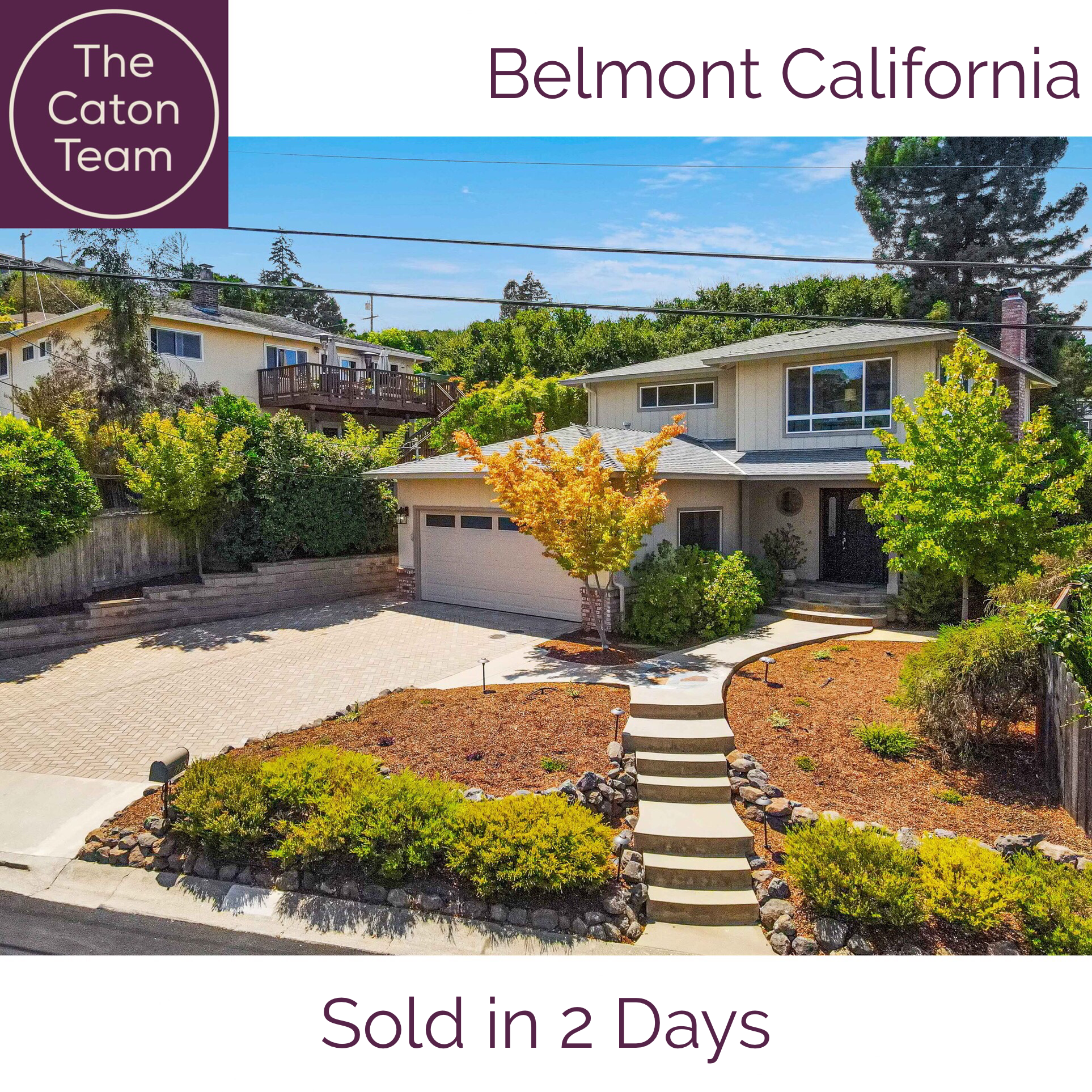
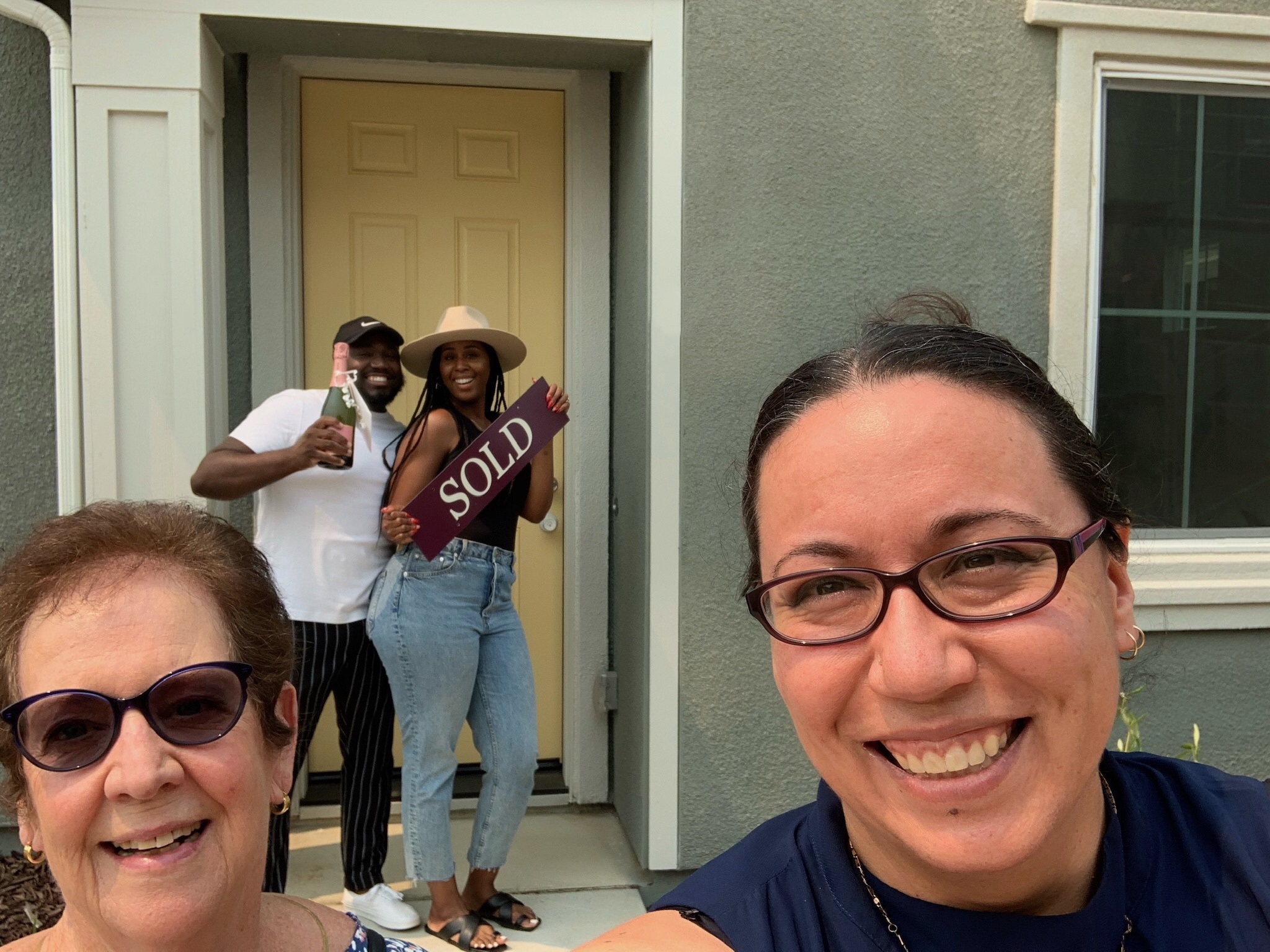
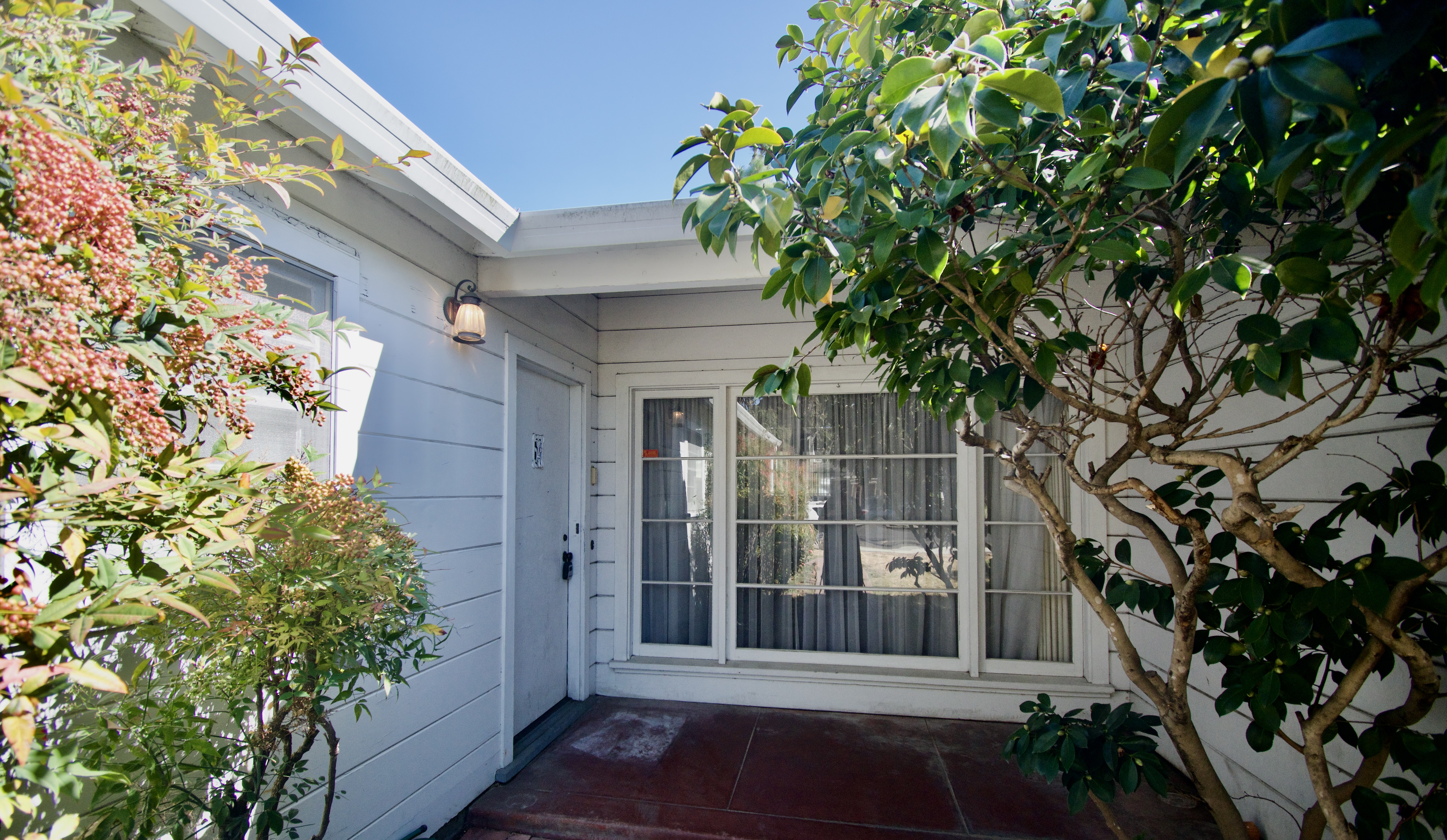
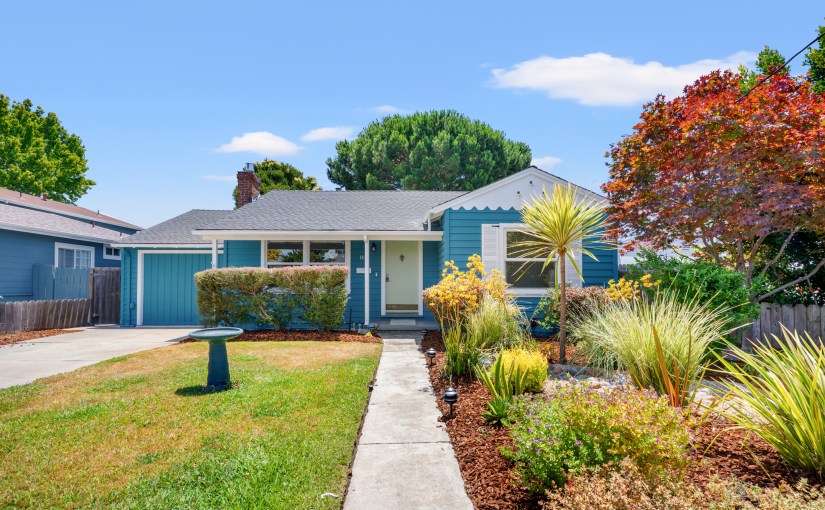
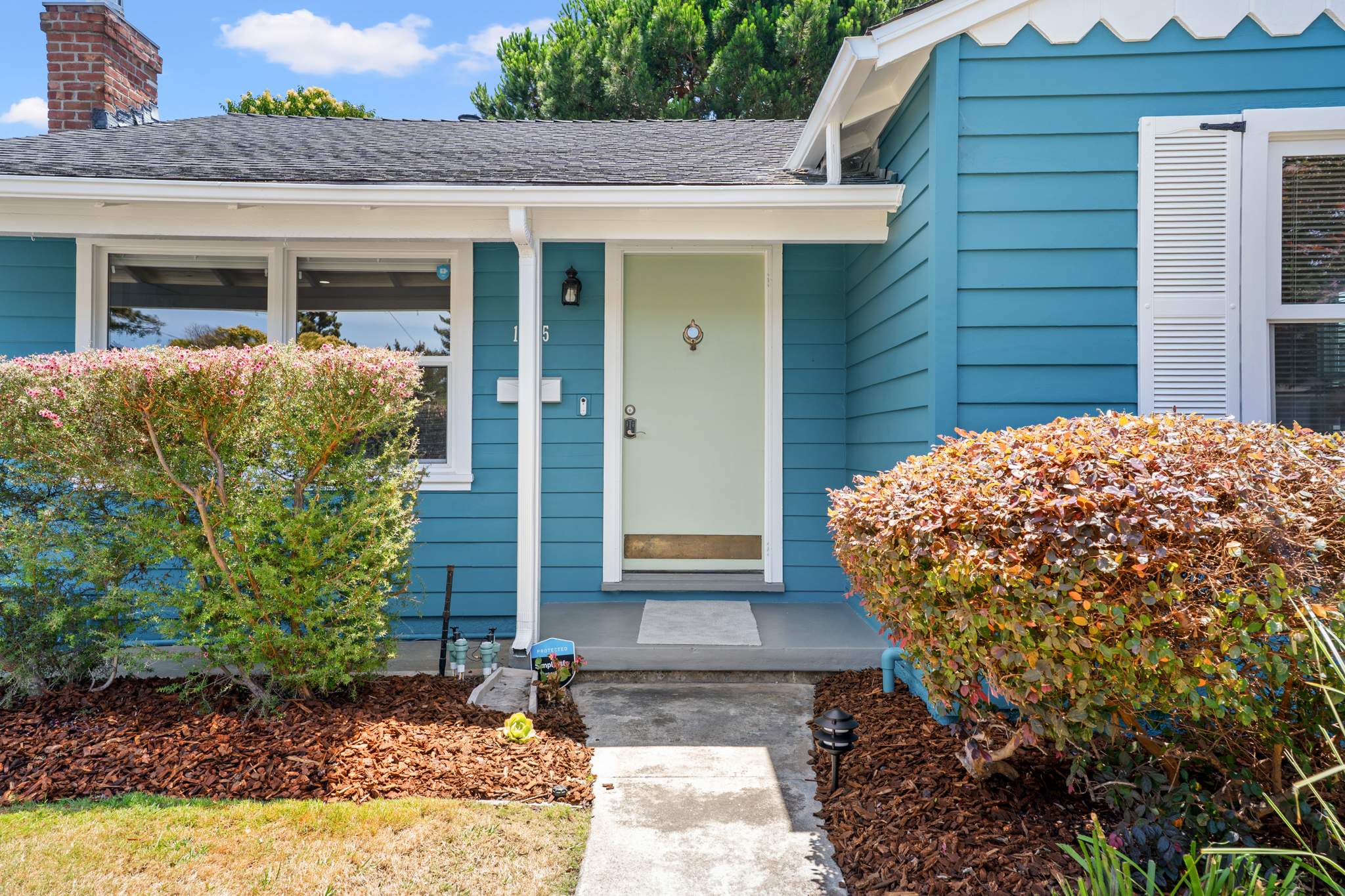
We love what we do and it shows – when our past clients call us to do it all over again – we know we must be doing it right. Thank you Kit for having us help you on your Real Estate journey. We had a blast showcasing your beautiful home and navigating all the twists and turns that pop up and most importantly – selling your home with ease and grace. Helping you attain your goal while fostering a community. Thank you for the opportunity to represent you!
We love what we do – How can The Caton Team help You?
We truly enjoy helping our clients sell their homes. The Caton Team loves what we do and would love to help you – please enjoy our resources below. Get to know us at through our clients words.
Whether you are selling or buying – today or tomorrow – contact The Caton Team – we’re happy to help you achieve your Real Estate goals.
Effective. Efficient. Responsive. The Caton Team 🏡
Each market is unique and with over 45 years of combined Real Estate experience, The Caton Team is more than happy to be of service if and when you are considering a move. Contact us anytime during your journey, together we’ll help you achieve your Real Estate goals.
Got Questions? The Caton Team is here to help.
Call| Text | Sabrina 650.799.4333 |EMAIL | WEB| BLOG
We love what we do and would love to help you navigate your sale or purchase of Residential Real Estate. Please reach out for a personal consultation. Please enjoy our free resources below and get to know our team TESTIMONIALS.
Got Real Estate Questions? The Caton Team is here to help.
We strive to be more than just Realtors – we are also your home resource. If you have any real estate questions, concerns, need a referral, or need some guidance – we are here for you. Contact us at your convenience – we are but a call, text or click away!
The Caton Team believes, in order to be successful in the San Fransisco | Peninsula | Bay Area | Silicon Valley Real Estate Market we have to think and act differently. We do this by positioning our clients in the strongest light, representing them with the utmost integrity, while strategically maneuvering through negotiations and contracts. Together we make dreams come true.
A mother and daughter-in-law team with over 35 years of combined, local Real Estate experience and knowledge – wouldn’t you like The Caton Team to represent you? Let us know how we can be of service. Contact us any time.
Call| Text | Sabrina 650.799.4333 | Susan 650.796.0654 |EMAIL | WEB| BLOG
The Caton Team – Susan & Sabrina A Family of Realtors Effective. Efficient. Responsive. What can we do for you?
Thank you for tuning in to The Caton Team’s Real Estate Blog – The Real Estate Beat. Today we’re touching on last week’s Fed rate hike. I am going to keep it short – the rate hike shouldn’t be too scary. Why? Well, if you can still qualify for a home loan at the new rate AND you are comfortable with the payments AND you want to live in the area you are buying for about 7-10 years. YES – you should still move forward with your plans of buying Real Estate. Remember, Real Estate investments, like your personal home, are long-term investments, and the market will change many times during your ownership. If you want to live in the Bay Area and you qualify for the price point, then let’s chat about next steps.
Here is a quick list of why the rate hike should work in a buyer’s favor.
Why Rising Mortgage Rates Make NOW the Time to Buy
Recent mortgage rate hikes have left many buyers hesitating on the sidelines. However, smart home shoppers know this creates a major window of opportunity.
Fewer Bidding Wars: Surging rates scare off casual buyers, cooling intense competition and eliminating chaotic bidding wars. If you still qualify for your loan and are comfortable with your payments, let’s talk about your options. We are here to guide you home.
Negotiating Power: With homes staying on the market longer, sellers are far more willing to negotiate on prices and cover closing costs. Not all sellers are willing to take less, but those who need to sell and are abreast of recent changes will have options to negotiate. For a buyer, that can mean an offer below list price, or, better yet, ask for a seller credit and use those funds to buy down your rate.
Refinance Later: Remember the real estate mantra: “Marry the house, date the rate.” If the interest rate is your concern, there are options. Yes, you can refinance, but sometimes that doesn’t make sense or cents. It will restart that 30-year mortgage clock. Sometimes, paying down your principal (which is what the rate is charged on) can bring down your payments too. There are options here, and The Caton Team and your lender can help you sort this out.
Locking in your ideal home now at a lower purchase price builds long-term equity. You can always refinance your rate down when market conditions shift if that makes long-term sense.
Buying a home takes a few things to consider, and your long-term goal is a huge part of it. Let us help you sort this out; that is what The Caton Team is here for. With over 40 years of combined local Real Estate experience, we can help guide you home.
Got Questions? The Caton Team is here to help.
Call| Text | Sabrina 650.799.4333 |EMAIL | WEB| BLOG
We love what we do and would love to help you navigate your sale or purchase of Residential Real Estate. Please reach out for a personal consultation. Please enjoy our free resources below and get to know our team TESTIMONIALS.
We strive to be more than just Realtors – we are also your home resource. If you have any real estate questions, concerns, need a referral, or some guidance – we are here for you. Contact us at your convenience – we are a call, text, or click away!
The Caton Team believes that, in order to be successful in the San Francisco | Peninsula | Bay Area | Silicon Valley Real Estate Market, we have to think and act differently. We do this by positioning our clients in the strongest light, representing them with the utmost integrity, while strategically maneuvering through negotiations and contracts. Together we make dreams come true.
A mother and daughter-in-law team with over 35 years of combined local Real Estate experience and knowledge – wouldn’t you like The Caton Team to represent you? Let us know how we can be of service. Contact us anytime.
The Caton Team – Susan & Sabrina A Family of Realtors Effective. Efficient. Responsive. What can we do for you?
DRE # |Sabrina 01413526 | Susan 01238225 | Team 70000218 |Office 01499008
The Caton Team does not receive compensation for any posts. Information is deemed reliable but not guaranteed. Third-party information is not verified.
With housing costs rising, young adults sometimes look to parents or other family members for help covering the upfront costs of homeownership. If you are contemplating providing financial support to your children or other family members, here are helpful facts and guidelines to bear in mind.
The share of first-time buyers is down.
First-time buyers made up just 21% of all purchases between July 2024 and June 2025, according to the National Association of REALTORS® Profile of Home Buyers and Sellers. This is the lowest share of the market since NAR began tracking in 1981. Saving for the down payment remains the biggest hurdle.
Many parents want to help.
Nearly three-quarters of parents with kids still at home say they are either already saving or planning to help their children buy a home someday, according to the 2026 Planning & Progress Study by Northwestern Mutual. Among Gen Z respondents, 44% expect parental assistance, compared with 16% of millennials and 12% of Gen Xers. Help can come in many forms, including gifting the down payment; funding the escrow or earnest money payment; cosigning; covering an escalation clause (which may be part of the offer in a competitive-bid situation); helping with seller closing costs, broker compensation or inspection costs; or buying the home outright.
Buyers should understand the upfront and ongoing expenses of homeownership.
Beyond the down payment, buyers spent an average of $31,502 on upfront homebuying expenses, according to a 2026 survey of 1,000 recent home buyers by Clever Real Estate and Best Interest Financial. That’s almost four times the $8,083 they expected to pay. The expenses included repairs/improvements in the first year ($15,073), concessions to the seller ($7,678), closing costs ($5,719) and moving costs ($3,032). When it comes to ongoing expenses, encourage your family member to make a budget that includes:
Before helping a family member with a home purchase, set expectations about what you can and can’t do. Ask yourself these questions:
Is this family member ready for the responsibilities of homeownership? Does the person have enough income and reserves to handle other expenses that come with homeownership?
Do you have enough to be able to financially help? If you are dipping into your own reserves or retirement accounts, be sure you aren’t jeopardizing your own retirement.
Are you offering a gift or a loan? If it’s a loan, the lender will factor it into your family member’s debt when underwriting the loan. If it’s a gift, your family member will need to document the source of the funds using a gift letter and bank statements.
Do you expect some control over the home purchase in exchange for your financial support? If so, talk it through with your family member in advance to avoid any potential conflict.
Have you set clear parameters? Be aware of reporting requirements, tax implications or potential financial implications (in the case of cosigning, that includes the impact on your credit and liability in the case of a default). Be sure to consult with a financial or tax advisor and attorney in advance. Then put the agreement in writing so there are no surprises.
Helping family members with a home purchase can be a wonderful gift, starting them on the path to building wealth through home equity. But be sure to go in with a mutual understanding of each party’s contributions and responsibilities.
The Caton Team can help you sort out the steps – reach out – we are here to help.
Whether you are selling or buying – today or tomorrow – contact The Caton Team – we’re happy to help you achieve your Real Estate goals.
Effective. Efficient. Responsive. The Caton Team 🏡
Each market is unique and with over 45 years of combined Real Estate experience, The Caton Team is more than happy to be of service if and when you are considering a move. Contact us anytime during your journey, together we’ll help you achieve your Real Estate goals.
Got Questions? The Caton Team is here to help.
Call| Text | Sabrina 650.799.4333 |EMAIL | WEB| BLOG
We love what we do and would love to help you navigate your sale or purchase of Residential Real Estate. Please reach out for a personal consultation. Please enjoy our free resources below and get to know our team TESTIMONIALS.
Got Real Estate Questions? The Caton Team is here to help.
We strive to be more than just Realtors – we are also your home resource. If you have any real estate questions, concerns, need a referral, or need some guidance – we are here for you. Contact us at your convenience – we are but a call, text or click away!
The Caton Team believes, in order to be successful in the San Fransisco | Peninsula | Bay Area | Silicon Valley Real Estate Market we have to think and act differently. We do this by positioning our clients in the strongest light, representing them with the utmost integrity, while strategically maneuvering through negotiations and contracts. Together we make dreams come true.
A mother and daughter-in-law team with over 35 years of combined, local Real Estate experience and knowledge – wouldn’t you like The Caton Team to represent you? Let us know how we can be of service. Contact us any time.
Call| Text | Sabrina 650.799.4333 | Susan 650.796.0654 |EMAIL | WEB| BLOG
The Caton Team – Susan & Sabrina A Family of Realtors Effective. Efficient. Responsive. What can we do for you?



































































You must be logged in to post a comment.