I Don’t Make Enough Money to Save You are more than likely wrong about this one. Sometimes it’s about writing down your numbers and determining what you can cut and save on.
With the improving economy, it’s becoming even easier. Household incomes have been increasing and the unemployment rate has been falling the past few years, giving more people a chance to save. And many are doing it. The personal savings rate in the U.S. rose to 5.9 percent in March after rising steadily since 2013. But there’s room for improvement. The personal savings rate averaged 8.29 percent from 1959 until 2017.
I’ll Start Saving When I Earn More How many times have you told yourself that you’ll start saving when your income rises enough so you can afford it? Unfortunately, this kind of thinking won’t get you anywhere. Expenses often increase as pay does, so putting off saving for this reason doesn’t mean you’ll do it later. Start now instead of waiting.
I’m Young. I’ve Got Decades to Save Telling yourself that you’ll save later can affect your retirement planning. It’s a problem that can be dealt with later, the thinking goes, and it can be hard to imagine what will happen decades from now.
The value of compounding and saving early in life are explained on the website interest.com. Waiting only five years, not decades, can require a higher savings rate to reach a retirement goal of $1 million by age 65.
According to the site, if you save $405 per month by age 25 at an average annual return of 7 percent then you’ll have $1 million at age 65. But if you wait until you’re 30 to start saving then you’ll need to save $585 per month to reach that same goal.
It’s Too Difficult Saving money isn’t easy, but it isn’t as difficult as you might think. Some apps can help. Digit monitors your spending and moves money from your checking account into savings when you can afford it. Meanwhile, a finance app, Acorns, automatically invests your spare change.
Some retirement plans take the work out of investing with target-date retirement funds. Workers select a fund closest to their retirement date and the portfolio changes automatically as they age—aggressive investing when they’re young and more conservative as they near retirement.
Enrollment in a 401(k) retirement plan can be automatic when a worker joins a company, allowing them to opt out if they want to. Employee contributions can also be automatically increased over time.
We love what we do and would love to help you navigate your sale or purchase of Residential Real Estate. Please reach out for a personal consultation. Please enjoy our free resources below and get to know our team from our TESTIMONIALS.
Effective. Efficient. Responsive. The Caton Team 🏡
Got Real Estate Questions? The Caton Team is here to help.
We strive to be more than just Realtors – we are also your home resource. If you have any real estate questions, concerns, need a referral, or some guidance – we are here for you. Contact us at your convenience – we are but a call, text, or click away!
The Caton Team believes, in order to be successful in the San Francisco | Peninsula | Bay Area | Silicon Valley Real Estate Market, we have to think and act differently. We do this by positioning our clients in the strongest light, representing them with the utmost integrity, while strategically maneuvering through negotiations and contracts. Together we make dreams come true.
A mother and daughter-in-law team with over 35 years of combined local Real Estate experience and knowledge – wouldn’t you like The Caton Team to represent you? Let us know how we can be of service. Contact us any time.
Cell | Sabrina 650.799.4333 | Susan 650.796.0654 | EMAIL | WEB| BLOG
The Caton Team – Susan & Sabrina A Family of Realtors Effective. Efficient. Responsive. What can we do for you?
Somewhere on your credit card statement—or maybe even on the back of the card—is contact information for a credit card concierge. The service is usually free, and while it isn’t available on all credit cards, many travel rewards cards offer it as a way to have someone do some tasks for you. Requests can be made over the phone or by filling out an online form.
Here are some of the best ways to use a concierge service offered through your credit card:
Sports Tickets Is that hockey game you want to go to sold out? Is the game in two days and you really want to go? A credit card concierge can check resale markets for you, and should have a number of price ranges for you within a few hours.
Restaurant Reservations If the OpenTable app or calling a restaurant directly doesn’t get you a dinner reservation at the time you want, try the concierge. They may be able to find availability that you can’t, getting you in to a popular restaurant.
Hotel If you have a hotel rewards credit card, you may be better off calling the card’s customer service line for help. After all, hotels are their specialty, so they should be able to find you a great room at a great price.
Otherwise, ask the credit card concierge for hotel recommendations. The hotel chain doesn’t have to be tied to your credit card, though that can’t hurt if it allows you to collect more rewards points from the trip. Just tell the concierge your travel dates, price range and location, and see what they can do.
Gifts If you don’t like to shop for gifts, give your concierge a few ideas on what your friend likes—along with their age—and, chances are, they can find a few gift ideas for birthdays or other events that you may not find on your own. You can direct the concierge to charge them to your credit card, or you can go purchase them yourself online.
If you’re pressed for time and don’t mind that you won’t be comparison-shopping yourself, a credit card concierge can be one of the best free services on your credit card.
We love what we do and would love to help you navigate your sale or purchase of Residential Real Estate. Please reach out for a personal consultation. Please enjoy our free resources below and get to know our team from our TESTIMONIALS.
Effective. Efficient. Responsive. The Caton Team 🏡
Got Real Estate Questions? The Caton Team is here to help.
We strive to be more than just Realtors – we are also your home resource. If you have any real estate questions, concerns, need a referral, or some guidance – we are here for you. Contact us at your convenience – we are but a call, text, or click away!
The Caton Team believes, in order to be successful in the San Francisco | Peninsula | Bay Area | Silicon Valley Real Estate Market, we have to think and act differently. We do this by positioning our clients in the strongest light, representing them with the utmost integrity, while strategically maneuvering through negotiations and contracts. Together we make dreams come true.
A mother and daughter-in-law team with over 35 years of combined local Real Estate experience and knowledge – wouldn’t you like The Caton Team to represent you? Let us know how we can be of service. Contact us any time.
Cell | Sabrina 650.799.4333 | Susan 650.796.0654 | EMAIL | WEB| BLOG
The Caton Team – Susan & Sabrina A Family of Realtors Effective. Efficient. Responsive. What can we do for you?
Selling your home should be an exciting experience! Whether you’re upgrading, downsizing, or relocating, making the right choices can lead to a faster sale at a better price. Here are three essential tips every home seller should follow to skip the stress, attract buyers, and close the deal with confidence.
Boost Curb Appeal
Buyers begin forming opinions as soon as they pull into the driveway. Make first impressions count by tidying up the lawn, mulching flower beds, planting seasonal blooms, and giving the front door a fresh coat of paint. Simple upgrades can add instant charm and set the tone for a fantastic showing.
Declutter and Depersonalize
Buyers need to envision themselves living in the home rather than feeling like visitors in someone else’s home. Remove personal photos and hide clutter. A clean, neutral, and open layout helps buyers see the potential of each room and can make the home feel larger and more inviting.
Price It Right
Overpricing their property is one of the biggest mistakes sellers make. While it’s important to get the most value from a sale, pricing too high can lead to fewer showings and more time sitting on the market. Work with your real estate agent to analyze local properties and set a competitive, realistic price to attract qualified buyers from day one.
Got Questions? The Caton Team is here to help.
Cell| Sabrina 650.799.4333 |Susan 650.796.0654 | EMAIL | WEB| BLOG
We love what we do and would love to help you navigate your sale or purchase of Residential Real Estate. Please reach out for a personal consultation. Please enjoy our free resources below and get to know our team from our TESTIMONIALS.
Effective. Efficient. Responsive. The Caton Team 🏡
Got Real Estate Questions? The Caton Team is here to help.
We strive to be more than just Realtors – we are also your home resource. If you have any real estate questions, concerns, need a referral, or some guidance – we are here for you. Contact us at your convenience – we are but a call, text, or click away!
The Caton Team believes, in order to be successful in the San Francisco | Peninsula | Bay Area | Silicon Valley Real Estate Market, we have to think and act differently. We do this by positioning our clients in the strongest light, representing them with the utmost integrity, while strategically maneuvering through negotiations and contracts. Together we make dreams come true.
A mother and daughter-in-law team with over 35 years of combined local Real Estate experience and knowledge – wouldn’t you like The Caton Team to represent you? Let us know how we can be of service. Contact us any time.
Cell | Sabrina 650.799.4333 | Susan 650.796.0654 | EMAIL | WEB| BLOG
The Caton Team – Susan & Sabrina A Family of Realtors Effective. Efficient. Responsive. What can we do for you?
Home decorators often tend to push every piece of furniture against the walls in a misguided effort to create a more spacious look and feel. But furniture layout is a balancing act that requires more finesse.
We asked a designer to explain why lining your walls with furniture never works—and how to arrange furniture correctly for an inviting space that flows well and is visually pleasing.
Meet the Expert
Laura Brophy is principal designer and creative director at Laura Brophy Interiors.
“Absolutely,” says interior designer Laura Brophy. “Design isn’t about hard rules, it’s about balance. A bed can sit against a wall if it anchors the room beautifully, or a console can live along a wall when it creates a grounding moment.”
But even in smaller spaces, furniture should be arranged to create an airy feel rather than be crowded together.
“In tighter rooms, it’s perfectly fine for a sofa to brush the wall,” Brophy notes, “just make sure there’s breathing room somewhere else so the space doesn’t feel static. The key is intention. If it touches, it should feel purposeful, not like default placement.”
Want more design inspiration? Sign up for our free daily newsletter for the latest decor ideas, designer tips, and more!
If your instincts are telling you to push every piece of furniture up against the wall to create a more spacious feel, ignore them in favor of a more balanced approach.
Floating furniture is crucial in open-plan spaces to create distinct zones and organize the space. A long, rectangular living room will resemble a bowling alley if you push everything up against the walls, rather than breaking up the linear proportions and allowing the eye to move naturally around the room.
“When everything is lined up along the perimeter, you lose the energy of the room,” Brophy explains. “Bringing pieces inward can create conversation, intimacy, and flow. It’s how you make a space feel designed. I always say, let your furniture talk to each other.”
When everything is lined up along the perimeter, you lose the energy of the room.
Before you start laying out furniture, Brophy suggests asking yourself how you want to live in the space.
“Do you want conversation, comfort, or flexibility?” she says. “Float pieces where they naturally form connection points. Create pathways that invite movement, and always think in layers—rugs to define zones, side tables to hold a moment, lighting to pull it all together.”
This could mean setting up a conversation area by placing a sofa against the wall and arranging a pair of armchairs with a small side table opposite and a coffee table in between. Or positioning a play table for kids in the middle of a playroom and a seating area for adults with armchairs and a small table nearby.
In a dining room, balance a central dining table and chairs with a buffet against the wall to create a focal point while leaving plenty of room around the table to allow people to move in and out.
Install a reading nook in the bedroom with a comfortable armchair hovering in the corner alongside a small side table, and a floor lamp that will create a second zone and make it feel more functional and cozy.
“The goal is to create harmony between function and feeling,” Brophy says. “When it’s right, you can sense it the moment you walk in.”
Got Questions? The Caton Team is here to help.
Cell| Sabrina 650.799.4333 |Susan 650.796.0654 | EMAIL | WEB| BLOG
We love what we do and would love to help you navigate your sale or purchase of Residential Real Estate. Please reach out for a personal consultation. Please enjoy our free resources below and get to know our team from our TESTIMONIALS.
Effective. Efficient. Responsive. The Caton Team 🏡
Got Real Estate Questions? The Caton Team is here to help.
We strive to be more than just Realtors – we are also your home resource. If you have any real estate questions, concerns, need a referral, or some guidance – we are here for you. Contact us at your convenience – we are but a call, text, or click away!
The Caton Team believes, in order to be successful in the San Francisco | Peninsula | Bay Area | Silicon Valley Real Estate Market, we have to think and act differently. We do this by positioning our clients in the strongest light, representing them with the utmost integrity, while strategically maneuvering through negotiations and contracts. Together we make dreams come true.
A mother and daughter-in-law team with over 35 years of combined local Real Estate experience and knowledge – wouldn’t you like The Caton Team to represent you? Let us know how we can be of service. Contact us any time.
Cell | Sabrina 650.799.4333 | Susan 650.796.0654 | EMAIL | WEB| BLOG
The Caton Team – Susan & Sabrina A Family of Realtors Effective. Efficient. Responsive. What can we do for you?
When it comes to finding the cheapest places to live in the U.S. for city dwellers, the best locations to settle down are mostly south of the Mason-Dixon line. Texas and Alabama are just a couple of the Southern states making multiple appearances on our list of the cheapest places to live among U.S. cities.
But if you’re thinking about relocating to one of these places with the lowest costs of living, just remember to weigh the pros and cons. Cheap prices are attractive, but the allure can fade if jobs are hard to come by, paychecks are small, or the area offers little to do. Plan an extended visit to ensure that one of these cheapest places to live fits your needs.
“It is undeniable that larger metro areas like New York and Los Angeles offer better opportunities for higher-paying jobs,” notes Tyler Baines, cost of living project manager and research analyst at the Center for Regional Economic Competitiveness. “But job seekers should not only consider the size of their paycheck when figuring out where they should call home.”
To that last point, Kiplinger has extensive experience in covering real estate, demographics, and cost of living data for job seekers, would-be homeowners, remote workers, and retirees.
C2ER’s Cost of Living Index measures prices for housing, groceries, utilities, transportation, healthcare, and miscellaneous goods and services, such as going to a movie or getting your hair done at a salon.
Thanks to that data — which sorts through 90,000 prices covering 60 different items in hundreds of cities — we were able to pinpoint the places with the absolute lowest costs of living.
And make no mistake, the difference between the priciest place to live and the cheapest places to live in the U.S. is striking.
“The after-tax cost for a professional/managerial standard of living ranges from more than twice the national average in Manhattan, New York, to more than 20% below the national average in Decatur, Illinois,” notes C2ER.
Read on for our latest list of the 15 cheapest places to live, in the U.S., for city dwellers.
Disclaimer
Source: C2ER’s Cost of Living Index, 2025 Annual Average Data, published August 2025. Index data is based on average prices of goods and services collected during the first quarter of 2025, with index values based on the new weights for 2025. Metro-level data on populations, household incomes, home values, poverty rates and other demographic information are from the U.S. Census Bureau. Metropolitan area unemployment rates, courtesy of the U.S. Bureau of Labor Statistics and YCharts, are not seasonally adjusted, and are as of September17, 2025 for the month of July 2025, which is the latest available data.
15. Wichita, Kansas
Cost of living: 14.1% below U.S. average
Metro population: 396,123
Median household income: $61,281 (U.S. average: $81,604)
Median home value: $198,100 ($532,390 U.S. average)
Unemployment rate: 4.7% (4.3% U.S. average)
Wichita, Kansas, located in the south-central part of the state, is the largest city in Kansas and serves as a major commercial, financial, and cultural hub for the state. It has a rich history rooted in both its “Cowtown” origins and its leading role in the aviation industry.
The landscape is characterized by the flat to gently rolling plains of the Great Plains and is also part of “Tornado Alley.” It’s prone to severe thunderstorms and tornadoes, particularly in the spring and early summer.
Housing costs in Wichita are well below normal and are 34% lower than the national average. This is where the big savings stop. Groceries, utilities, and transportation are close to average, offering a savings of 5 to7%.
The economy of Wichita is diverse, but it is overwhelmingly dominated by the aerospace industry. The city’s nickname, “The Air Capital of the World,” is well-earned, as it is home to major aircraft manufacturers like Textron Aviation (Cessna and Beechcraft) and Bombardier Learjet, as well as Spirit AeroSystems, a leading producer of commercial aircraft structures.
The region is a major agricultural hub, with companies like Koch Industries and Cargill Protein having a significant presence. Its central location in the U.S. makes Wichita an important hub for transportation and logistics, with major interstates and rail carriers connecting the city to both coasts.
Wichita boasts over 100 parks and 150 miles of bike and hiking trails. The Arkansas River, which flows through downtown, is a focal point for recreation, including kayaking and paddleboarding. It’s home to a variety of museums, including the Wichita Art Museum and the Kansas Aviation Museum, which celebrates the city’s aviation heritage. If you want some insight into the region’s history, you can visit the Mid-America All-Indian Center and the Old Cowtown Museum.
Kansas recently repealed its tax on Social Security benefits, and they have no estate or inheritance taxes. While public pensions are exempt from income tax, other pensions, IRA and 401(k) distributions are taxable.
14. San Marcos, Texas
Cost of living:14.5% below U.S. average
Metro population: 68,920
Median household income: $51,030
Median home value: $269,700
Unemployment rate: 3.9%
San Marcos, Texas, is a vibrant city located in the heart of Central Texas, situated on the I-35 corridor between Austin and San Antonio. The city is known for its beautiful natural attractions, particularly the San Marcos River, its outlet shopping centers, and for being the home of Texas State University.
The city’s landscape features rolling hills and the spring-fed San Marcos River, which is a major defining feature of the area. The river is fed by the Edwards Aquifer through hundreds of springs at the bottom of Spring Lake and maintains a constant temperature of 72 degrees Fahrenheit year-round. This makes it a popular destination for water-based activities. The city is also home to various natural areas and parks with hiking and biking trails, offering a mix of landscapes from grasslands to canyon bluffs.
Living in San Marcos is 15.5% cheaper than in other American cities. Housing offers the biggest savings, costing only 76.7% of the national average. Groceries and health care are only a little over 6% cheaper than the national average, while utilities and health care are between 12% to 17% less than average.
One of the most significant economic drivers is Texas State University, which is one of the largest universities in the state. The university brings a large student and faculty population, providing jobs, and fostering innovation and research, particularly in fields like advanced materials, water research and biotechnology. The city’s location on I-35 makes it an ideal hub for logistics and distribution, with major fulfillment centers like Amazon establishing a presence there.
Beyond the river, the city boasts over 2,100 acres of natural areas and parks, including Purgatory Creek Natural Area and Five Mile Dam Park, which offer extensive trails for hiking, running, and biking.
Texas has no income tax, and it exempts groceries, prescription and over-the-counter medications from sales taxes.
13. Conway, Arkansas
Cost of living: 14.7% below U.S. average
Metro population: 69,577
Median household income: $62,886
Median home value: $246,100
Unemployment rate: 4.0%
The city of Conway — an affordable enclave in the Little Rock-North Little Rock-Conway metro area — is home to a number of high-tech companies, including information technology firm Insight Enterprises (NSIT).
Being home to a large proportion of younger residents helps keep costs in check. Known as “The City of Colleges,” Conway hosts three post-secondary educational institutions: the University of Central Arkansas, Hendrix College and Central Baptist College.
Close proximity to the Arkansas River and Lake Conway makes the city ideal for fishing and water sports, and there’s ample space for hunting. Yet you can drive to the state capital of Little Rock in a half-hour or so.
Not that Conway is without its own more aspirational cultural attractions. The city is home to the Arkansas Shakespeare Theatre, the state’s only professional Shakespeare company.
Conway’s housing costs are affordable and run 25% below the national average. Utilities, transportation and healthcare costs are also comparatively modest.
Kokomo was founded in 1844 as the county seat for what is now Howard County. It was originally home to the Miami Indians, who lived along the waterways and the valley of the Wabash River in north central Indiana.
Although the median household income is about two-thirds of the amount in the U.S., the housing costs are 43.1% below the national average. Indiana currently has a flat tax rate of 3.05% that is applied to state adjusted gross income after modifications. Overall utility costs are about 7.8% below the national average, while transportation costs are 4.4% more.
It would be fair to say that Indiana is a military-friendly state. For instance, starting with the 2024 tax year, all military income is exempt from state income tax. They also have a comprehensive program called INvets. It helps veterans transition to civilian life, with an emphasis on finding the right community and job placement.
Getting around the city of Kokomo is easy and can be free. The city offers residents and visitors free public transportation through City Line Trolley, providing coverage to most of the educational, retail, and medical areas and services with over 250 stops. The KokoGo Bike Share facility offers a free bike share program during the spring, summer and fall months.
11. Des Moines, Iowa
Cost of living: 16.0% below U.S. average
Metro population:212,464
Median household income: $63,966
Median home value: $183,700
Unemployment rate: 4.1%
Des Moines kind of has it all: a robust and multifaceted economy; a vibrant cultural scene; major universities; and — most importantly for our purposes here — a low cost of living.
On the economic front, Des Moines is probably best known as a major center of the insurance industry and other financial services. Healthcare, manufacturing, and logistics are also key planks supporting the local labor market.
Des Moines’ strong economy helps keep both the unemployment and poverty rates well below state and national averages.
The city also benefits from a comparatively large student population, driven by Drake University, Grand View University, Mercy College of Health Sciences and numerous other institutions of higher learning.
At the other end of the age spectrum, Des Moines is known for being especially attractive to retirees. The city boasts plenty of healthcare facilities specializing in aging-related services. Health care costs are 12.1% less than the national average.
Retirees won’t lack for things to do, either. There are numerous museums and arts venues, including an outdoor sculpture park, a zoo, and botanical gardens. There’s even a casino and racetrack in nearby Altoona that hosts annual camel, ostrich and zebra races (sorry, no wagering on these exhibition races allowed).
Best of all, Des Moines delivers all this with a cost of living that’s 16% lower than the U.S. average. Housing expenses (61.8%) are roughly a third less than what the typical American spends to keep a roof over his or her head, while utility costs are significantly lower, too. Transportation is the only expense where Des Moinesers pay more, with costs running 6.1% above average.
In a first, Iowa recently made retirement income tax-exempt for residents 55 and older and eliminated its inheritance tax for tax years 2025 and later. That means tax-free Social Security, pensions and 401(k), and IRA distributions.
10. Anniston-Calhoun County, Alabama
Cost of living: 16.2% below U.S. average
Metro population:65,744
Median household income: $53,872
Median home value: $136,900
Unemployment rate: 3.3%
About an hour’s drive east from Birmingham sits the Anniston metro area. The city’s proximity to the Mountain Longleaf National Wildlife Refuge makes it a good jumping-off point for hikers, mountain bikers, and other outdoorsy types. The city also has its quirks. It’s home to the world’s largest office chair — a 33-foot-tall seat that was once recognized by Guinness World Records.
Major employers include the Anniston Army Depot and Alabama Regional Medical Center. Maybe that’s why health care costs are 19.4% lower than the national average.
Anniston’s low cost of living puts it among the 15 cheapest places to live, but it comes alongside a median income that’s one-third lower than the national median.
Overall housing costs in the Anniston area are 40.4% lower than what the average American pays. Utilities, however, are relatively pricey, running 4.1% above the national average.
9. Decatur/Hartselle, Alabama
Cost of living: 16.3% below U.S. average
Metro population: 158,635
Median household income: $72,965
Median home value: $231,500
Unemployment rate: 2.4%
Decatur and Hartselle are two northern Alabama cities with an abundance of outdoor activities, cultural diversions, and low costs of living. Decatur’s economy benefits from being one of the busiest ports on the Tennessee River and from NASA’s Marshall Space Flight Center in nearby Huntsville. Tourism is another driver of the local economy, thanks to the Wheeler National Wildlife Refuge, the Carnegie Visual Arts Center, and festivals such as the Alabama Jubilee Hot Air Balloon Classic.
Nearby Hartselle, about 10 miles south, shares the charms of its neighbor to the north. Residents can cool off in the summer at the city’s sprawling aquatic center, which includes a water slide and diving platform. And Southern history buffs will want to stroll through the Hartselle Downtown Commercial Historic District, which is listed in the National Register of Historic Places.
Residents can enjoy all this and more without breaking the bank. Decatur’s housing-related costs, including mortgages and rents, are 31.8% cheaper than the national average. Prices on a wide range of goods and services, from pizza to haircuts to dry cleaning, are less expensive, too.
Alabama has one of the nation’s lowest property tax rates and no state death taxes. Social Security and pensions are exempt from taxation; only the first $6,000 of distributions from retirement plans (like IRAs and 401(k)s) are tax-exempt for retirees age 65 and older.
8. Jonesboro, Arkansas
Cost of living:16.8% below U.S. average
Metro population:80,655
Median household income: $57,264
Median home value: $201,000
Unemployment rate: 4.1%
The Jonesboro Metro area consists of two counties, Craighead and Poinsett, and is anchored by the city of Jonesboro. It’s located in northeast Arkansas and is a short 50-mile drive to Memphis, Tennessee. Jonesboro has a small-town vibe with facets of a college town as it is home to Arkansas State University.
Arkansas State University is home to the ASU Museum, which strives to serve the community at large. On Saturdays, the museum’s Tinkering Studio teaches children how circuits work, how to use math to create art, and how to create their own animations.
Birding is a popular pastime in Arkansas. Inside the 692-acre Craighead Forest Park is the Craighead Forest Trails Loop. This trail is about 7.4 miles long and is a popular destination for ornithologists and twitchers. Or enjoy year-round fishing for bream, catfish, crappie and bass at Lake Frierson State Park, a short 10 miles north of downtown Jonesboro.
There are plenty of local corporate employers in Jonesboro, including Frito-Lay, Unilever, and General Mills — so you can get a good job and enjoy an affordable lifestyle all in one place.
Owning a home is more attainable here than in most places. Arkansas’s property taxes are among the lowest in the nation. Housing costs are 39.2% cheaper than the national average and utilities are 2.6% less. The average commute is 18.5 minutes and transportation costs only 11.7% of the national average.
7. Amarillo, Texas
Cost of living:16.9% below U.S. average
Metro population:203,042
Median household income: $58,897
Median home value: $190,700
Unemployment rate: 3.2%
Amarilloans are known for their love of high school football, hot sauce and thick steaks. They also enjoy savings on a wide range of goods and services. Need to get your eyes checked? An appointment with an optometrist is 40.6% less expensive in the city known as “The Yellow Rose of Texas.” Dry cleaning bills are 41.4% cheaper than the national average.
But the biggest way folks in this part of the Texas Panhandle save money is by what they shell out for housing.
Metro-area residents spend 42.2% less on housing-related costs than the national average. The average house price of $257,400 is $283,108 below the national average. Apartment rents ($1,271) are 21.8% cheaper than what the typical American pays every month.
It’s also encouraging that Amarillo’s economy has remained invigorated. For example, the metro area’s unemployment rate of 3.2% stands below the national rate of 4.3%. Major employers include Tyson Foods, CNS Pantex and BSA Health System.
In 2023, voters approved Proposition 4, which cut property taxes for Texas homeowners through tax compression and by increasing the state’s homestead exemption. In 2025, the voters have another chance to modify the property tax system and raise the homestead exemption from $100,000 to $140,000. For retirees, the homestead exemption for those age 65 and older or with disabilities could go up by $50,000 from the current $110,000 exemption to $160,000.
6. Tulsa, Oklahoma
Cost of living: 17% below U.S. average
Metro population:412,322
Median household income: $58,407
Median home value: $189,600
Unemployment rate: 3.1%
Tulsa is situated on the Arkansas River between the Osage Hills and the foothills of the Ozark Mountains in northeast Oklahoma. It’s the second-most-populous city in the state and is considered to be the cultural and arts center of Oklahoma. A robust energy sector, once known as the “Oil Capital of the World,” fueled Tulsa’s economy. However, today the city has diversified to include finance, aviation, telecommunications and technology.
In the early 20th century, Tulsa was home to “Black Wall Street,” one of the most prosperous black communities in the United States at the time. In 1921, it was the site of the Tulsa Race Massacre that lasted for 16 hours and only ended when the National Guard was dispatched by the governor.
In 1925, Tulsa businessman Cyrus Avery, known as the “Father of Route 66,” established the U.S. Highway 66 Association in Tulsa, earning the city the nickname the “Birthplace of Route 66.”
Tulsa’s aerospace industry is the city’s largest employer, and it is growing. An American Airlines maintenance base at Tulsa International Airport is the largest maintenance facility in the world. Tulsa is also home to a division of Lufthansa, the headquarters of Omni Air International, and the Spartan College of Aeronautics and Technology. Amazon recently announced plans to build a more than 600,000-square-foot fulfillment center near Tulsa International Airport.
Getting to work is cheaper in Tulsa. Transportation costs are over 12.2% less than the national average. Housing is another bargain, with residents paying only 62.2% of what the rest of the country pays. Average monthly rent and mortgage payments highlight the stark contrast. Rents on average are $819 and mortgage payments are $1,751. That is a savings of $805 (50.4%) and $839 (32.4%), respectively.
Since 1969, public displays of artwork in Tulsa have been funded by 1% of its annual city budget. Each year, a sculpture from a local artist is installed along the Arkansas River trail system, while other sculptures stand at a local park. The Philbrook Museum of Art is considered one of the top 50 fine art museums in the United States. The collection includes works from Pablo Picasso, Andrew Wyeth, Willem de Kooning, Auguste Rodin and Georgia O’Keeffe.
Taxes in Oklahoma are less than in the neighboring state of Texas. There are no estate or inheritance taxes, and the median property tax bill of $1,455 is far below the national average.
5. Joplin, Missouri
Cost of living:17% below U.S. average
Metro population:52,218
Median household income: $51,154
Median home value: $159,700
Unemployment rate: 4.5%
It used to be that Joplin, at least to outsiders, was probably best known as a place where Depression-era bank robbers Bonnie and Clyde hid out for a time. Today, sadly, Joplin is perhaps better known for tornadoes, such as the deadly storm that destroyed about 30% of the city in 2011.
The city (and greater metro area) has since recovered from the costliest single tornado in modern U.S. history, helped by its status as a regional medical center. Its two major hospitals serve a four-state area that includes Kansas, Oklahoma, and Arkansas.
Meanwhile, other key employers include General Mills, Schaeffler Group and Leggett & Platt.
Housing-related costs, which run about 39.9% below the national average, help secure Joplin’s place on the cheapest places to live for U.S. city dwellers. Expenses for groceries and healthcare are only 5.5% below average. Utilities are an outlier and run slightly over 0.4% above the national average.
From a tax perspective, Missouri is pretty average; it has graduated state individual income tax rates ranging from 2% to 4.8%. Although the state repealed its income tax on Social Security retirement benefits, pensions are partially taxable and IRA and 401(k) distributions are fully taxable.
4. Oklahoma City, Oklahoma
Cost of living: 18.5% below U.S. average
Metro population:702,654
Median household income: $67,015
Median home value: $248,100
Unemployment rate: 3.0%
The largest city in Oklahoma offers remarkably affordable prices for its size. The biggest reason: Housing costs run 43.1% below the national average, according to the Cost of Living Index, which takes into account both home prices and apartment rents.
Drilling down into those categories, home prices in Oklahoma City average $316,715 vs. a national average of $540,508. Renters also do quite well on a relative basis. Average apartment rent comes to $830 a month compared with a U.S. average of $1,624.
Transportation and miscellaneous goods and services also cost appreciably less in Oklahoma City. However, health care costs are the same as the national average, and utilities aren’t much cheaper (-1%) than what the typical American pays.
Yet, as a metro area with over half a million people, Oklahoma City offers a lot of big-city attractions, from a philharmonic orchestra to the National Softball Hall of Fame and Museum. At the professional sports level, the Oklahoma City Thunder represents the metro area in the NBA.
Meanwhile, a well-rounded metro-area economy helps folks find jobs in a wide range of industries. Major employers include the U.S.A.F.’s Tinker Air Force Base, the University of Oklahoma and Amazon.com (AMZN).
Be forewarned, however, that Oklahoma presents a mixed tax picture for retirees. While Social Security benefits, military pensions aren’t taxed, pensions 401(k) and IRA distributions are partially taxable. An upside is that there is no estate or inheritance tax in Oklahoma.
Homeowners do well in the state with median property tax bills well below the national average. However, everyone pays more in general as groceries and prescription drugs are subject to states sales tax.
3. McAllen, Texas
Cost of living: 19.6% below U.S. average
Metro population: 146,599
Median household income: $60,200
Median home value: $203,900
Unemployment rate: 6.7%
McAllen might be one of the cheapest places to live in the U.S., but it comes at a price. The poverty rate in the McAllen-Edinburg-Mission metro area is 20.4%. That’s about 1.5 times the Texas rate of 13.7% and almost twice the U.S. rate of 10.6%.
On the plus side, McAllen is famous for bird watching because of its location on a major migration route. The Quinta Mazatlan, a luxury birdhouse with more than 15 acres of birding habitat, is not to be missed. The city also features the International Museum of Art & Science, which has a specific focus on Latin American art.
And McAllen is indeed one of the cheapest places to live in the U.S. for city dwellers. Housing costs are 43.4% lower than the national average, healthcare expenses are 26.6% cheaper and grocery items are around 7.2% less than what the typical American pays. One of the few things residents pay a little extra for is utilities (+21.6%), which isn’t surprising given that temperatures routinely soar into the high 90s during the summer months.
Harlingen sits at the southernmost tip of Texas, with the Rio Grande to the south and the Gulf of Mexico to the east. The Brownsville-Harlingen metro area is a hardscrabble place where 20.1% of residents live below the poverty line. That’s about one-and-a-half times the poverty rate for Texas as a whole. Comparatively low median household income and high unemployment are other grim aspects of the metro area’s economy.
However, just about everything, from groceries to gasoline, costs less in Harlingen. Locals save about 5.6% on a good cut of steak compared to the national average. The average home price in Harlingen ($365,567) is a striking $174,941 less than the U.S. average. The average apartment rents for $835 per month — or 48.6% lower than the national average of $1,642.
Texas makes the list of Kiplinger’s Best States for Middle-Class Families Who Hate Paying Taxes. Texas also recently reduced property taxes by increasing the homestead exemption from $40,000 to $100,000 ($110,000 for homeowners 65 and older and those with disabilities).
As with not-too-distant neighbor McAllen (+21.6%), utility bills run a bit high, or 26.5% above the national average.
Although agriculture remains central to Harlingen’s local economy, the healthcare and telecommunications industries are rapidly gaining importance.
Lastly, it would be negligent to forget one of the area’s biggest selling points: Harlingen is only about an hour’s drive to the beaches of South Padre Island.
1. Decatur, Illinois
Cost of living: 20.9% below U.S. average
Metro population: 66,594
Median household income: $46,564
Median home value: $89,400
Unemployment rate: 5.9%
Decatur currently ranks as the cheapest place to live in the U.S. among cities with metro areas with at least 50,000 inhabitants.
Decatur, Illinois, and its surrounding metro area are probably best known as an agricultural and manufacturing center. Archer Daniels Midland moved its headquarters to Chicago in 2013 but maintains operations in this central Illinois city. Caterpillar, the world’s largest maker of construction and mining equipment, has facilities in the area, as well. Decatur likewise lays claim to a massive corn-processing plant owned by U.K.-based food ingredients company Tate & Lyle.
Archer Daniels Midland’s departure following a price-fixing scandal was a blow to the local economy, and Decatur struggles with elevated unemployment to this day. A cost of living that’s nearly a fifth lower than the national average is partly a symptom of ADM’s exit, but at least it’s also something of a salve.
Decatur’s status as one of the cheapest places to live in the U.S. is no doubt appreciated by its significant student population, which includes Millikin University’s approximately 2,340 students and the roughly 2,075 people studying at Richland Community College.
Got Questions? The Caton Team is here to help.
Cell| Sabrina 650.799.4333 |Susan 650.796.0654 | EMAIL | WEB| BLOG
We love what we do and would love to help you navigate your sale or purchase of Residential Real Estate. Please reach out for a personal consultation. Please enjoy our free resources below and get to know our team from our TESTIMONIALS.
Effective. Efficient. Responsive. The Caton Team 🏡
Got Real Estate Questions? The Caton Team is here to help.
We strive to be more than just Realtors – we are also your home resource. If you have any real estate questions, concerns, need a referral, or some guidance – we are here for you. Contact us at your convenience – we are but a call, text, or click away!
The Caton Team believes, in order to be successful in the San Francisco | Peninsula | Bay Area | Silicon Valley Real Estate Market, we have to think and act differently. We do this by positioning our clients in the strongest light, representing them with the utmost integrity, while strategically maneuvering through negotiations and contracts. Together we make dreams come true.
A mother and daughter-in-law team with over 35 years of combined local Real Estate experience and knowledge – wouldn’t you like The Caton Team to represent you? Let us know how we can be of service. Contact us any time.
Cell | Sabrina 650.799.4333 | Susan 650.796.0654 | EMAIL | WEB| BLOG
The Caton Team – Susan & Sabrina A Family of Realtors Effective. Efficient. Responsive. What can we do for you?
The most expensive cities in the U.S. are usually costly for a good reason — several, really. Residents are willing to pay extra for everything from housing to food to gas if it allows them to live somewhere with a wealth of employment opportunities or great weather. Others are looking for cosmopolitan living, with a host of restaurants, museums and other cultural options on tap. Many of these expensive cities appear in our ranking of the most expensive housing markets in the U.S.
However, in some cases, simple isolation plays a leading role in high prices. When pretty much everything has to be imported over long supply lines, prices are bound to be higher.
We should also note that the country is still feeling the effects of the worst bout of inflation to hit the U.S. economy in 40 years. This macro environment has made the nation’s most expensive cities to live in even pricier than in recent years. Shelter was the “largest factor” behind the increase in inflation, according to the August CPI report.
The Fed cut the fed funds rate three times, beginning in September 2024, but held steady at its previous meeting in August, leaving rates in a range of 4.25%-4.5%. The fed funds rate is a key overnight bank lending rate that influences other borrowing costs. At the September meeting, the Fed cut rates again, lowering the fed funds rate by 25 basis points, to a range of 4.00% to 4.25%. However, the connection between the fed funds rate and mortgage rates is indirect, and the recent fed rate cuts haven’t impacted mortgage rates as of yet.
Mortgage rates have finally started to come down of late, possibly in anticipation of a September rate cut. As of September 17, 2025, the average interest rate for the benchmark 30-year fixed mortgage was 6.35%, a decrease of .15 basis points compared to the previous week. If you are planning to refinance, the national 30-year fixed refinance interest rate is sitting at 6.59% with an APR of 6.66%, according to Bankrate.
And yet, surprisingly, there’s something of a silver lining to these metro areas’ fast-rising prices. As counterintuitive as it may seem, recent research by New York University economist Edward Wolff shows that “inflation has been a great boon to middle-class U.S. households’ balance sheets, and has therefore helped to mitigate the increase in overall wealth inequality.”
Something tells us that city dwellers coping with the daily reality of relentlessly rising costs probably take little solace in such long-term, macro-level developments. But, hey, at least something good might come out of their increasingly stretched budgets.
But back to the data. To determine just how much the most expensive cities to live in the U.S. really cost, we turned to the latest data from the Council for Community and Economic Research.
Its cost of living index collects scores upon scores of prices across 265 urban areas, covering housing, groceries, utilities, transportation, healthcare, and miscellaneous goods and services (such as getting your hair done or going to a movie).
We also gathered data on household incomes, home prices and unemployment rates for each city to provide context for local living costs.
Take a closer look at the 15 most expensive cities to live in the U.S.
15. Arlington, Virginia
Cost of living:
32.8% above U.S. average
City population:
234,162
Median household income:
$140,219(U.S. average: $81,604)
Median home value:
$850,900 (U.S. average: $540,508)
Unemployment rate:
3.5% (U.S. average: 4.3%)
Washington, D.C., and its close-in suburbs sport some of the highest living costs in the nation. So it should come as no surprise that Arlington makes the list for one of the most expensive cities to live in.
This suburb, home to the Pentagon andArlington National Cemetery, sits just across the Potomac River from Washington, D.C. As with its neighbors, Arlington attracts ambitious, well-paid people — and has the home prices to prove it.
Housing-related expenses, including rents and mortgages, are almost twice the national average. Locals can thank an average home price of more than $1 million for much of that financial pain. Average principal and interest payments on mortgages top $5,000 a month in Arlington.
On the plus side for residents, Arlington’s median household income of nearly $140,219 is among the highest in the U.S. Its per capita income of $87,159 is 79% more than the average of $48,689 in Virginia
14. Bethesda, Maryland
Cost of living:
33.5% above U.S. average
City population:
69,966
Median household income:
$191,198
Median home value:
$1,147,800
Unemployment rate:
3.5%
What goes for Arlington goes for Bethesda, too. Residents pay a premium to live in the upscale D.C. suburb, which is home to theNational Institutes of Health, Walter Reed National Military Medical Center and many other prestigious federal government institutions.
As a medical hub, it’s perhaps befitting thathealthcare costs run about 26% lower than the national average in Bethesda. Other major expense categories aren’t too bad, either.Groceries (7.6%) and utilities (12.2% ) are more expensive in this D.C. suburb, and transportation is only 0.5% less expensive.
The biggest line item contributing to Bethesda’s high cost of living? Not surprisingly, it’s housing. Renters and homeowners pay a premium of 94% to the national average to keep roofs over their heads.
Framingham, Massachusetts, is defined by its location along the Sudbury River, approximately 20 miles west of Boston. Its location makes it a central point for major routes like Route 9 and the Massachusetts Turnpike (I-90), linking it to surrounding towns and the wider region.
There are several ponds and reservoirs, including Farm Pond and parts of the Sudbury River’s reservoir system. Residents can enjoy several parks and conservation lands, such as Cushing Memorial Park and Callahan State Park, offering both recreation areas and natural wooded trails..
Framingham’s economy has evolved from a 19th-century industrial hub full of textile and carpet mills to a modern center for technology, retail, and life sciences. As a result, a significant portion of the city’s workforce is employed in professional, scientific, and management services, reflecting the shift towards a knowledge-based economy.
The city is home to the corporate headquarters of major national companies, including TJX Companies (parent company of TJ Maxx, Marshalls and HomeGoods), Staples, and the Bose Corporation. Framingham also hosts major employers like MetroWest Medical Center and has a strong presence in the biotech sector, with companies like Sanofi.
When it comes to living costs, the nation’s capital is a tale of two cities. Housing-related expenses, including rents and mortgages, are by far the most burdensome at 2.3 times the national average, according to C2ER, but other expenses aren’t too bad. In fact, D.C. healthcare costs are a bit below the national average.
Groceries run about 4% above the national average, while utilities are about 2.4% more expensive. Miscellaneous goods and services are pricier by 16.1%. Happily, transportation expenses aren’t overly onerous, at less than 13.1% above the U.S. average. A wide-ranging bus and metro system makes getting to and around the District of Columbia affordable.
And, of course, numerous museums and historical sites are free to visit, too.
Be that as it may, the average price of a home in D.C. stands at $1,137,933. Meanwhile, the average apartment rents for $3,495 a month — or $1,871 a month more than the U.S. average.
11. Seattle, Washington
Cost of living:
41.2% above U.S. average
City population:
755,081
Median household income:
$120,608
Median home value:
$898,600
Unemployment rate:
4.0%
Seattle, Washington, is a major Pacific Northwest city known for its stunning natural setting, economic innovation and vibrant cultural scene. Seattle is uniquely situated on an isthmus between the salt waters of Puget Sound to the west and the freshwater of Lake Washington to the east. The city is framed by two prominent mountain ranges: the Olympic Mountains to the west and the Cascade Mountains to the east. And, on clear days, Mount Rainier dominates the skyline.
Seattle’s economy has transformed from its historical roots in the lumber and shipbuilding industries to a modern powerhouse of technology and trade. The region is now a hotbed for software, e-commerce, and cloud computing. Today, the city is home to the headquarters of Amazon and a significant presence for companies like Microsoft (headquartered in nearby Redmond), Google and Meta.
The Port of Seattle is a crucial gateway for trade with Asia and Alaska, making the city a significant player in international logistics and commerce.
Home to Starbucks, the city is the birthplace of national coffee culture. While Boeing moved its headquarters to Chicago, it still maintains a massive manufacturing presence in the Seattle area. And it’s also the home of the corporate offices of Costco Wholesale.
Washington state is one of nine states with no state income tax. While retirement income, such as pensions, 401(k) and IRA distributions and Social Security payments aren’t taxed, there is a 7% capital gains tax. Only the portion of gains above the threshold ($250,000) is subject to the tax, and some assets are exempt from the tax.
With a strong emphasis on the outdoors, Seattle provides numerous opportunities for hiking, biking, kayaking, and skiing. Discovery Park is a massive 560 acres, making it the city’s largest urban park, which offers miles of trails and shoreline.
With its unparalleled collection of universities, hospitals, historical sites, and tech and biotech employers, it’s easy to see why Boston is such an appealing place to live. And while there’s no question the city’s popularity comes at a high cost, it’s not nearly as high as some East Coast cities that are often mentioned in the same breath as Boston.
Boston has a high concentration of students, recent grads, and young professionals, and they require some level of affordability to get by while they’re starting out. Utilities, for example, are “only” 44.8% more expensive than the national average. Healthcare costs 34.4% more than what the typical American pays, and miscellaneous goods and services are 15.4% more expensive.
Housing-related costs, however, are a killer, or 114.3% higher than the national average. Renters and homeowners pay more than twice the national average for their domiciles. For example, the average apartment rents for $4,157 a month in Boston. That compares with a national average of $1,624 a month, according to C2ER. The average price of a Boston home comes to $1,060,406 vs $540,508 nationally.
San Diego, with its miles of beaches and nearly ideal climate, is a paradise for those who love the outdoors. Be it surfing, sailing, hiking, biking, golfing, or just exploring Balboa Park, this city on the Pacific has something for everyone.
And for those who prefer more sedentary activities, San Diego offers a world-class zoo, museums, professional sports teams and a wide-ranging restaurant scene. You can also spend the night on the USS Midway, the longest-serving aircraft carrier named after the famous battle in World War II.
What’s not to like?
Well, for one thing, San Diego has one of the most expensive housing markets in the U.S. At more than $1.16 million, the average home price is 114% greater than the national average.
Or consider it this way: San Diego’s median home value comes to $923,900, or 70.9% higher than the U.S. median of $540,508. The city’s median household income, however, is only about one-third greater than the U.S. level.Renters feel the pinch, too, with the average apartment going for $3,132 a month vs the national average of $1,624.
8. Los Angeles, California
Cost of living:
49.4% above U.S. average
County population:
3,898,747
Median household income:
$79,701
Median home value:
$828,700
Unemployment rate:
6.4%
Few cities can top Los Angeles for excess and glamor, but most of its residents don’t work in Hollywood or shop on Rodeo Drive. While high living expenses make L.A. one of the most expensive cities to live in the U.S., median annual incomes are $1,903 below the national level.
And yet the allure of the nation’s second-largest city remains strong. From Hollywood to Beverly Hills to Venice Beach, few cities can claim as many famous locales. For those who seek culture beyond the Kardashians, L.A. boasts several important museums and the world-class Los Angeles Philharmonic.
Just be forewarned that L.A.’s notorious traffic helps push transportation costs 28% above the national average. And although groceries, utilities, and miscellaneous goods and services are only about 7.9% to 39.1% costlier than the U.S. average, housing bleeds residents dry. Angelenos get a break on health care costs that come in 1% below the national average.
Indeed, housing-related expenses, including rents and mortgages, run 131.5% above the national average in Los Angeles. For example, the average price of a home in L.A. comes to almost $1.35 million, vs the national average of $540,508. Average rent ($3,011), meanwhile, is almost twice as high as the U.S. average.
Lastly, there’s another thing that’s unhelpfully elevated in the City of Angels. While the U.S. unemployment rate sits at 4.8%, Los Angeles’ rate stands at 6.4%.
7. Queens, New York
Cost of living:
50.6% above U.S. average
County population:
2,252,196
Median household income:
$81,929
Median home value:
$692,500
Unemployment rate:
5.1%
Queens is one of the most ethnically diverse urban areas in the world. In fact, it holds the Guinness World Record for “most ethnically diverse urban area on the planet.” It’s also the most linguistically diverse, with at least 138 languages spoken throughout the borough. But the cost of living in this borough is especially high — a bit over 50% more than the rest of the country.
Housing in Queens is marginally cheaper than in neighboring boroughs Manhattan and Brooklyn, but remains elevated. Overall, prices are 152.2% over the national average. The average home sells for almost $1.36 million, and rent will cost you $3,937 a month; both expenses are more than double what most people pay.
The median household income in Queens is $81,929, only $325 above the national average. That is more than the folks in Brooklyn earn and less than what Manhattanites earn.
New York took fourth place on Kiplinger’s Most Expensive States to Live in for Homeowners. Median real estate taxes paid were over $6,450, and homeowners age 65 and older may qualify for a property tax exemption or rebate.
6. Brooklyn, New York
Cost of living:
59.4% above U.S. average
Borough population:
2,561,225
Median household income:
$76,912
Median home value:
$880,300
Unemployment rate:
5.8%
Row 5 – Cell 0
Row 5 – Cell 1
Technically, Brooklyn is one of the five boroughs that make up New York City, but in the past couple of decades, it has emerged as something of a metropolis unto itself. Indeed, if Brooklyn were an independent city, its population would be on par with Chicago, the third-largest city in the nation.
Once upon a time, Brooklyn was considered a viable alternative for those who couldn’t afford to live in Manhattan. Not anymore. Housing-related expenses, including rents and mortgages, are almost four times higher than the national average.
And yet, the median household income in Brooklyn of $76,912 is lower than the U.S. median. It’s also almost $24,166 lower than the median household income in Manhattan.
Happily, not everything in Brooklyn is eye-wateringly expensive. Utilities costs are only about 19.1% higher than their respective national averages. And transportation expenses run just 13.4% above what the typical American pays. Health care, however, is about 28.8% more expensive than the U.S. average.
Adding to Brooklynites’ pocketbook pain is the fact that, according to the New York state tax guide, this state is one of the least tax-friendly states for both retirees and middle-class families.
5. San Francisco, California
Cost of living:
60.1% above U.S. average
City population:
1,535,341
Median household income:
$138,562
Median home value:
$1,424,900
Unemployment rate:
4.4%
Years of relentless growth driven by high-paid tech workers have given San Francisco one of the highest living costs in the country, meaning even those with fat paychecks can struggle to make ends meet.
Houses are famously expensive — a seemingly insurmountable obstacle for aspiring homeowners. The average home price is a staggering $1.35 million in San Francisco, according to C2ER’s cost of living index, and the median home value is the second highest among the 15 most expensive cities to live in the U.S.
Renters don’t fare much better. The average rent for an apartment in San Francisco is $3,739 a month. That’s 2.3 times the national average. Indeed, overall, housing-related costs in San Francisco are almost 2.5 times greater than the national average.
And the nosebleed prices don’t stop there. Groceries, utilities, healthcare, and transportation expenses all run anywhere from 13.7% to almost 49.9% more than what the typical American pays. Miscellaneous goods and services are only 22.1% more expensive than the national average.
4. Orange County, California
Cost of living:
61.7% above U.S. average
County population:
3,135,755
Median household income:
$110,042
Median home value:
$961,400
Unemployment rate:
4.8%
Orange County, known as The O.C. for short, is synonymous with wealth, so much so that there was an entire TV series made about it in the 2000s.
Several large municipalities make up the county, which abuts Los Angeles to the southeast, including Anaheim, Santa Ana and Irvine. But it’s the smaller, tonier enclaves such as Newport Beach (median home value: $2 million) that cement Orange County’s reputation for sheltering some of Southern California’s richest and most famous.
The average home price for all of Orange County sits at almost $1.645 million, according to C2ER. That makes it the sixth priciest market in the country. However, at $3,056 a month, apartment rents are only a bit under twice the national average.
All in all, housing in the O.C. costs 173.3% more than what the typical American pays. Other budget-stressors include groceries, which cost about 7.7% more than the U.S. average, and transportation, which is 39.1% pricier.
On the brighter side of the ledger, healthcare costs are 4.1% lower than the national average, and utilities come in above average, costing 25.2% more.
3. San Jose, California
Cost of living:
81.1% above U.S. average
City population:
1,945,767
Median household income:
$153,202
Median home value:
$1,393,400
Unemployment rate:
4.9%
San Jose possesses all of the grand natural beauty you might associate with California. The downtown has streets lined with palm trees and you can watch a majestic sunset over Silicon Valley. This all comes at a high price and that is why it earned the third spot on this list.
The tech roots of this area run deep. IBM established its first West Coast operations in San Jose in 1943 and opened an IBM Research lab in 1952. The hard disk drive was invented there. Today, San Jose is at the epicenter of tech development in America and hosts major facilities for many companies, including Ericsson, Hewlett-Packard Enterprise, Hitachi, IBM, Lockheed Martin, Qualcomm and the North American headquarters of Samsung Semiconductor.
The abundance of high-paying jobs is necessary to live and work in the area. The typical household income in San Jose is $153,202, and that is almost twice the national average of $81,604. If you need to wake up with a cup of coffee before you start your work day, it will cost 18% more than in most other cities.
Housing costs are 232% higher than the national average, and the mean price of a home is $1,393,400. That is more than 2.57 times what most people pay nationwide at $540,508. The cost of heating and cooling your home, as well as charging your EV, is in line with housing prices and is 43.1% higher than average, although it is cheaper than neighboring San Francisco, where the costs are 49.9% above the norm.
California’s state tax guide paints a bleak picture for taxes. California has among the highest taxes in the nation. Sales and income taxes are generally high, but effective property tax rates are below the national average.
Retirees don’t fare much better. California is one of Kiplinger’s Worst States to Retire in 2025 if You Hate Paying Taxes. Most types of retirement income are taxable in California; retirees might pay an income tax rate as high as 14.4% if they continue to work and their income tops $1,000,000.
2. Honolulu, Hawaii
Cost of living:
82.1% above U.S. average
City population:
341,753
Median household income:
$84,907
Median home value:
$831,600
Unemployment rate:
2.5%
To enjoy the perks of living in such a remote Pacific paradise, Honolulu residents pay more than they would on the mainland for pretty much everything — and it’s not hard to understand why. Most goods sold in Hawaii must arrive either by boat or by plane, which jacks up the price considerably.
Honolulu has by far the most expensive utilities of all 265 urban areas surveyed by C2ER. Utilities cost a whopping 94.4% more than what folks pay on the U.S. mainland. They cost 22.3% more than the most expensive city on the mainland for utilities, Fairbanks, Alaska, where costs are 116.7%% above the norm.
Groceries don’t trail far behind. For example, eggs cost 37% above the national average, and bananas cost an eye-watering 102% more. Getting to the store costs more, too. Overall, transportation costs are 42.9% more expensive, and locals shell out upwards of 25.9% more for healthcare.
But, as always, housing is the biggest income-eater. Housing-related costs are more than three times the national average in Honolulu. Heck, the average home carries a price of almost $1.71 million.
If you’ve ever been to Manhattan, you don’t need us to tell you that it’s an expensive place to visit.
But it’s even more expensive to live there.
With space at a premium and location paramount, the median home value in Manhattan is second only to housing prices in the tech hubs of San Jose and San Francisco on our list of most expensive cities to live in the U.S. The average apartment rent stands at a stunning $5,735 a month, blowing away every other city tracked by C2ER. Meanwhile, the average home price is $2.95 million.
The budget-busting doesn’t stop there. Residents pay a premium of almost 50% for health care and 38% more for a doctor’s visit. While transportation runs 20.9% above average. Meanwhile, miscellaneous goods and services are 27.7% more expensive. For example, if you want to go to the movies, you’ll pay 73% more for a ticket at $22.47. Yoga classes cost 38.8% more than the national average. All of this and more conspire to make Manhattan the most expensive city in the nation, by a lot.
By the way, you’ll need to like crowds if you hope to make it in the Big Apple: Manhattan packs in almost 70,520.8 residents per square mile, according to the U.S. Census Bureau. For context, San Francisco, which has one of the highest population densities in the U.S., hosts a mere 17,323.2 residents per square mile.
How we picked the most expensive cities in the U.S.
Disclaimer
Source: C2ER’s Cost of Living Index, 2025 Annual Average Data, published August 2025. Index data is based on average prices of goods and services collected during the first quarter of 2025, with index values based on the 2023 US Consumer Expenditure Survey. Population data, household incomes, home values, poverty rates and other demographic information are from the U.S. Census Bureau. Local unemployment rates, courtesy of the U.S. Bureau of Labor Statistics and the Federal Reserve Bank of St Louis, are not seasonally adjusted and are as of September, 17 2025, for the month of July 2025, which is the latest available final data. Local unemployment rates for New York City, courtesy of New York State Department of Labor Labor Statistics for the New York City Region and local unemployment rate for San Francisco, courtesy of State of California Employment Development Department.
Got Questions? The Caton Team is here to help.
Cell| Sabrina 650.799.4333 |Susan 650.796.0654 | EMAIL | WEB| BLOG
We love what we do and would love to help you navigate your sale or purchase of Residential Real Estate. Please reach out for a personal consultation. Please enjoy our free resources below and get to know our team from our TESTIMONIALS.
Effective. Efficient. Responsive. The Caton Team 🏡
Got Real Estate Questions? The Caton Team is here to help.
We strive to be more than just Realtors – we are also your home resource. If you have any real estate questions, concerns, need a referral, or some guidance – we are here for you. Contact us at your convenience – we are but a call, text, or click away!
The Caton Team believes, in order to be successful in the San Francisco | Peninsula | Bay Area | Silicon Valley Real Estate Market, we have to think and act differently. We do this by positioning our clients in the strongest light, representing them with the utmost integrity, while strategically maneuvering through negotiations and contracts. Together we make dreams come true.
A mother and daughter-in-law team with over 35 years of combined local Real Estate experience and knowledge – wouldn’t you like The Caton Team to represent you? Let us know how we can be of service. Contact us any time.
Cell | Sabrina 650.799.4333 | Susan 650.796.0654 | EMAIL | WEB| BLOG
The Caton Team – Susan & Sabrina A Family of Realtors Effective. Efficient. Responsive. What can we do for you?
Options range from family loans to outright gifts to help your children buy a home.
If you want to help your children buy a home there are a number of ways to go about it, ranging from family loans to outright gifts. This is especially pertinent to consider as lofty home prices, rising mortgage rates and a tight inventory of homes for sale have shut many young buyers out of the housing market.
The median age of home buyers in 2024 was 56, according to the National Association of Realtors, representing a jump from 2023’s already high median of 49. Overall, this indicates first-time home buyers are delaying their purchases. The typical first-time buyer was 38, an all-time high.
With that in mind, parents (and grandparents) of would-be home buyers are often interested in helping out. Their options include gifting a down payment, co-signing a mortgage, jointly owning a home, making a loan, and buying a home outright for their children or grandchildren. Each of these avenues of financial support has its own perks and pitfalls.
1. Provide an intra-family loan
One option that could benefit both parties is an intra-family loan. You may be able to offer your child a lower interest rate than a conventional mortgage lender would while still earning a higher interest rate than you could earn from a savings account.
For example, if you provide your child with a mortgage at a 4.5% interest rate, you’ll earn almost four percentage points more than the 0.55% average yield for a bank savings account. Your child, meanwhile, will pay significantly less than the national average for a 30-year fixed-rate mortgage.
An intra-family loan works especially well for well-off individuals who can afford to give their children the money but prefer the financial discipline that comes with a loan, said Tim Burke, chief executive officer of National Family Mortgage, a family lending agency.
“For many parents, the motivation to lend money over gifting it is just about personal accountability,” he said. “Parents feel the responsibilities that come with homeownership, and the satisfaction that comes with meeting these responsibilities builds character.”
That was the case for Mary and Terry Shaffer of Pittsburgh, who lent money to both of their children to buy homes in that city. “Our son and our daughter do not like things handed to them, although they deserve to be helped,” said Mary, 68. “They have worked hard, and they both had accumulated savings for their closing costs.”
If parents need assurance that their child can afford the monthly payments, they should ask the child to get preapproved for a conventional mortgage, Burke said. However, that could be difficult for some children, especially if they’re self-employed borrowers. Even if a self-employed individual’s debt-to-income ratio — the amount of debt you owe as a percentage of your monthly income — may support a loan, a single year in which income declines may cause a bank to reject the application.
If your child can’t get preapproval, it comes down to your judgment. “If you think your family member is not going to repay you, then don’t go through the exercise of setting up a loan that isn’t going to work,” Burke said.
Put the terms of the intra-family loan in writing so they’re clear and it’s an arm’s-length transaction, said Brian Lamborne, senior director of advanced planning at Northwestern Mutual. Putting the terms of the loan in writing can also help you deal with instances in which your children are unable to make payments. For example, you can agree ahead of time that should your child suffer financial hardship, payments will be deferred for a certain period of time — perhaps six months or up to a year — and moved to the end of the loan.
The loan agreement should contemplate worst-case scenarios as well. For example, you may want to state the conditions under which the parents could foreclose on the property so they can sell it and pay off the loan.
It’s also important to understand the tax implications for intra-family loans. Borrowers who itemize can only deduct interest on a loan secured by a mortgage if the mortgage has been properly recorded. In order to do that, families need to obtain a deed of trust and file it with the borrower’s local government authority, such as the registrar of deeds or country clerk’s office. A real estate attorney can help you draw up these documents.
If the loan exceeds $10,000, the IRS requires you to charge an interest rate equal to or above the Applicable Federal Rate (AFR), which the IRS publishes monthly. The interest must be reported as income on your tax return.
If you don’t want to act as the loan servicer, you could use National Family Mortgage to set up, document and service the loan. It will email payment reminders and monthly statements, collect and credit payments, and issue year-end IRS 1098 and 1099-INT tax forms. The cost is a one-time fee of $725 to $2,100, depending on the size of the loan, and optional loan servicing starting at $15 per month.
2. Give a gift
For some families, the easiest solution is to give children enough money to make a down payment or buy a house outright. Gifting spares families the hassle of a loan and damage to their relationships if a loan can’t be repaid.
Mortgage lenders generally allow a relative to supply the entire down payment, but they will require a letter that provides the name of the giver, the amount of the gift and a statement that the giver doesn’t expect to be repaid.
As is the case with a loan, it’s important to understand the tax implications of this transaction. In 2025, you can give up to $19,000 per person to as many people as you’d like without having to file a gift tax return. Married couples can give up to $38,000 per person.
Any amount over the annual limit will reduce your exemption from the federal estate and gift tax. This isn’t a problem for most families because the federal estate tax exclusion is $13.99 million for 2025 or $27.98 million for married couples. However, if Congress fails to extend the 2017 Tax Cuts and Jobs Act, the exclusion will drop to about half that in 2026.
In any event, parents or grandparents should only give a gift they can afford without jeopardizing their own financial security. “There are no loans when it comes to your own retirement,” said Jennifer Weber, a CFP in Lake Success, N.Y. “So only help in ways that you can afford now and in the future.”
3. Co-sign or co-borrow
If your child can’t qualify for a mortgage based on their own income and credit record but can afford monthly payments, co-signing a mortgage is one way to help them buy a home. However, it can be risky.
A co-signer acts as a guarantor for the primary borrower, promising to assume responsibility for repayment if the primary borrower doesn’t pay as required. The lender will review your sources of income and your credit to ensure your income is high enough and your credit strong enough to qualify for a mortgage.
If your child falls behind on monthly payments, your own credit could suffer. Plus, co-signing for a mortgage will increase your own debt-to-income ratio which could make it more difficult for you to borrow for your own purposes. Also, some lenders don’t allow co-signers.
In another arrangement, a co-borrower or joint applicant shares ownership of the loan and assumes responsibility for payments from the start. In general, you and your child combined must put down at least 20%, and your child must cover the first 5% of the down payment from their own funds.
Otherwise, the property may qualify as an investment, in which case you’ll be charged a higher interest rate for the loan and be required to have more financial reserves. But if your child fails to pay the mortgage, property taxes or insurance on time, that could ding your credit history or result in a lien against the property.
One extra consideration
You should make sure to consider how any assistance could affect family relationships. Your children or their spouses may be anxious or uncomfortable about accepting financial help from parents or in-laws. Siblings feelings matter, too.
“If you have multiple children, spend some time upfront to understand how giving or loaning to one child might affect family dynamics,” said Mitchell Kraus, a certified financial planner based in Santa Monica, Calif. “We’ve seen years of resentment coming from a small loan to one family member when it was not available to another.”
Got Questions? The Caton Team is here to help.
Cell| Sabrina 650.799.4333 |Susan 650.796.0654 | EMAIL | WEB| BLOG
We love what we do and would love to help you navigate your sale or purchase of Residential Real Estate. Please reach out for a personal consultation. Please enjoy our free resources below and get to know our team from our TESTIMONIALS.
Effective. Efficient. Responsive. The Caton Team 🏡
Got Real Estate Questions? The Caton Team is here to help.
We strive to be more than just Realtors – we are also your home resource. If you have any real estate questions, concerns, need a referral, or some guidance – we are here for you. Contact us at your convenience – we are but a call, text, or click away!
The Caton Team believes, in order to be successful in the San Francisco | Peninsula | Bay Area | Silicon Valley Real Estate Market, we have to think and act differently. We do this by positioning our clients in the strongest light, representing them with the utmost integrity, while strategically maneuvering through negotiations and contracts. Together we make dreams come true.
A mother and daughter-in-law team with over 35 years of combined local Real Estate experience and knowledge – wouldn’t you like The Caton Team to represent you? Let us know how we can be of service. Contact us any time.
Cell | Sabrina 650.799.4333 | Susan 650.796.0654 | EMAIL | WEB| BLOG
The Caton Team – Susan & Sabrina A Family of Realtors Effective. Efficient. Responsive. What can we do for you?
Higher home prices and interest rates create barriers for homebuyers. Here are ways to shop for a lower mortgage rate.
Scoring a low mortgage rate is a top priority for many potential homebuyers, as owning a home has become increasingly expensive over the last several years. High mortgage rates and rising home prices have long kept many would-be buyers on the sidelines.
Now, the Federal Reserve’s second rate cut of the year has renewed optimism that borrowing costs could continue to ease , leading many to wonder if this might finally be the right time to buy.
The average 30-year fixed mortgage rate has dropped to 6.17%, and the 15-year average sits at 5.41%, according to Freddie Mac. That’s nearly a full percentage point lower than at the start of 2025, when rates topped 7%. The decline offers long-awaited relief for buyers and could mark the beginning of a more favorable housing market ahead.
But a large swath of buyers are reassessing whether it’s the right time for them to purchase a home. Many homebuyers are holding off on entering the market in case lower rates do materialize.
This makes sense because even a small change in mortgage rates can have a significant impact on how much homebuyers pay.
To test that theory out, you can compare current mortgage rates with our tool, powered by Bankrate, below, or use our mortgage calculator to calculate your monthly payment.
How to score a low mortgage rate
If you’re looking to purchase a home in this market, taking these steps can help you score a low mortgage rate:
1. Increase your down payment
To qualify for the lowest rates on a conventional loan backed by Fannie Mae or Freddie Mac — the nation’s two largest mortgage buyers — you’ll need a 20% down payment, said Melissa Cohn, a regional vice president at William Raveis Mortgage, a national lender headquartered in Shelton, Conn. “The bigger your down payment, the better the rate,” Cohn said.
Need a little help piecing together a bigger down payment? DiBugnara recommended looking into national and local down payment assistance programs. You can research eligibility requirements for thousands of down payment assistance programs at DownPaymentResource.com.
You may be able to get a free credit score estimate through your bank or credit card issuer, or from a website such as Credit Sesame or Credit Karma — or use MyFICO’s credit score estimator tool.
If your credit score needs a boost, there are steps you can take to give it a quick lift. However, your best strategy will depend on why your score is lagging.
“Paying down some of your credit card debts can yield a higher FICO score in as little as two weeks,” said Ulzheimer, pointing out that your credit utilization ratio — the amount you owe on your credit cards, divided by your card limits — makes up a significant percentage of your FICO score.
A good rule of thumb: Keep your credit utilization ratio below 30%.
It’s also a good idea to check for errors on your credit report. With identity theft at an all-time high, “make sure all the information on your report actually belongs to you,” said Ulzheimer. “Someone could have opened a credit card in your name and run up a significant amount of debt.”
3. Shop around
Fannie Mae found that 36% of homebuyers received only one mortgage quote. But you’re more likely to find a lower rate if you shop around.
Get quotes from at least three lenders. Local lenders and credit unions tend to offer lower mortgage rates than big banks. You can also shop at online lenders such as Rocket Mortgage. Because underwriting requirements can vary, different lenders can give varying quotes.
4. Consider an adjustable-rate mortgage
ARMs — short for adjustable-rate mortgages — developed a bad reputation after the housing market crashed in 2008 because so many underqualified borrowers couldn’t keep up with their ARM payment increases. But today’s ARMs have more protections built in than pre-2008 ARMs and can be a good option for some buyers.
An adjustable-rate mortgage starts out at a lower interest rate than you would get with a fixed-rate mortgage. Then, after a specified period of time — usually three, five, seven or 10 years — the rate adjusts based on market indexes, though there are caps on how high-interest rates on ARMs can go.
“I like adjustable-rate mortgages when borrowers understand them,” DiBugnara says. “If you have an exit strategy, an ARM can be a great product.” For example, if you know that you’re going to sell your home in the next four years, getting a five-year ARM can save you thousands of dollars in interest.
5. Lock in the best rate
Qualified for a great interest rate? A mortgage rate lock allows you to lock it in for a set period — typically 30, 45 or 60 days — from the time you receive a conditional loan offer from a lender to when you close on a home.
“If something about your financial status, like your income or credit score, changes before you close on a home, your rate can still change,” Channel said. “A lender can also change the terms of your loan if it finds that you’ve failed to disclose something, like additional debts.”
In today’s market, with 30-year mortgage rates fluctuating from week to week, Channel suggested buyers get a “float-down” rate lock. With this kind of lock, you can potentially get a lower rate than you initially locked in if interest rates fall, he said. Lenders often charge a fee of 0.5% to 1% of the total mortgage amount for a float-down lock.
Keep in mind that the future is uncertain. “Nobody — not even financial experts or your lender — knows where rates will end up 30 to 60 days from now,” said Channel. “As a result, there will always be some risk in getting a rate lock.” But, he said, a rate lock can also pay for itself, especially in an environment where rates are rapidly rising.
Got Questions? The Caton Team is here to help.
Cell| Sabrina 650.799.4333 |Susan 650.796.0654 | EMAIL | WEB| BLOG
We love what we do and would love to help you navigate your sale or purchase of Residential Real Estate. Please reach out for a personal consultation. Please enjoy our free resources below and get to know our team from our TESTIMONIALS.
Effective. Efficient. Responsive. The Caton Team 🏡
Got Real Estate Questions? The Caton Team is here to help.
We strive to be more than just Realtors – we are also your home resource. If you have any real estate questions, concerns, need a referral, or some guidance – we are here for you. Contact us at your convenience – we are but a call, text, or click away!
The Caton Team believes, in order to be successful in the San Francisco | Peninsula | Bay Area | Silicon Valley Real Estate Market, we have to think and act differently. We do this by positioning our clients in the strongest light, representing them with the utmost integrity, while strategically maneuvering through negotiations and contracts. Together we make dreams come true.
A mother and daughter-in-law team with over 35 years of combined local Real Estate experience and knowledge – wouldn’t you like The Caton Team to represent you? Let us know how we can be of service. Contact us any time.
Cell | Sabrina 650.799.4333 | Susan 650.796.0654 | EMAIL | WEB| BLOG
The Caton Team – Susan & Sabrina A Family of Realtors Effective. Efficient. Responsive. What can we do for you?
Planning a renovation or even a few weekend updates? Staying on top of the latest home trends can help you make design choices that not only look fresh but also add lasting value to your space. Outdated materials or styles can quickly make a home feel behind the times—and may even affect its appeal down the road.
To help you make smart, stylish upgrades, we asked a design and construction expert to share the biggest DIY trends set to take over in 2026. From materials and color palettes to layout ideas and finishing details, here’s what’s next in home improvement.
Painted Shelving
Shelving has often been neglected in home designs, but in 2026 you will see more homes and apartments take advantage of the unique visual appeal of shelves to highlight these areas of the home. “
The color of paint will depend on your exact purpose with the shelving display. Two primary options will take the lead in 2026 trends with some DIYers painting the shelves a completely different color from the room, so that they stand out boldly, while others will choose a similar color in the same color palette to highlight the shelving without making it a focal point of the room.
DIY Spa Bathrooms
People are looking to take advantage of the space they have to fully relax and recharge at home, and what better way that to create a DIY spa in your bathroom.
“Creating simple spa-like spaces in large bathrooms by adding calming decor, candles, and natural elements is a strong trend as people prioritize home wellness and relaxation,” Kocur says.
If you are planning a bathroom renovation, focus on calm and relaxing colors, as well as more natural-feeling elements, such as a rain showerhead, stone tiles, and bamboo decor.
Elevated Minimalism
Serene and relaxing homes are the goal of 2026. With this in mind, DIYers are aiming to remove needless clutter and cut down on expensive, over-the-top aesthetic choices.
Rather, it will be sustainability and an elevated minimalism that will feature in most homes, as DIYers invest in sinks, fixtures, and stone finishes that can be repaired and refreshed regularly, instead of paying for replacements every time something occurs.
This investment in quality, minimalistic designs will cut back on waste and create a calm, uncluttered, timeless atmosphere to the home in 2026.
Reading Nooks
Whether they are used for reading, curling up to scroll on your phone, or sitting with a laptop to binge your favorite new show, reading nooks are a popular trend for 2026.
The best part about DIY reading nooks is that you can set them up in just about any area of the home, giving you a quiet space to escape to when you need a little time for yourself.
Yet, at the same time, these nooks aren’t so closed off that you feel inaccessible, making them perfect for couples and families who enjoy the shared presence of having others nearby despite doing their own separate activities.
Color Capping
The ceiling of the room is an often ignored aspect, typically painted in white and left completely untouched, even when you repaint the walls several times over the years.
But in 2026, color capping will be a popular trend, which involves painting the ceiling a different color from the walls to help it stand out more in the space.
DIYers can create a cohesive look by painting the ceiling in a shade from the same color palette as the walls—just a bit lighter or darker—to give it subtle contrast without fully color-drenching the space.
Painting the ceiling a significantly different color, but one that still works well with the existing wall color, can also be a great way to create a unique color-capped space.
Outdoor Relaxation Spaces
It’s not just the interior of the home that you need to pay attention to when you are considering new trends for 2026.
“Outdoor patios, decks, or gardens are being transformed into private relaxation zones, adding greenery, comfortable seating, and soft lighting,” Kocur says.
Instead of opening up the yard for large gatherings, DIYers in 2026 will be focusing on creating small, dedicated spaces for privately relaxing outdoors.
While these spaces will still be suitable for company, the goal will be more on small gatherings with a few close friends or relatives, so you can enjoy have a cup of coffee in the morning sun.
Even in the evening, these relaxing spaces will be lit with soft lighting that highlights naturally appealing elements, like hanging flowers, without overwhelming the space, so you can still watch the stars in the sky.
Got Questions? The Caton Team is here to help.
Cell| Sabrina 650.799.4333 |Susan 650.796.0654 | EMAIL | WEB| BLOG
We love what we do and would love to help you navigate your sale or purchase of Residential Real Estate. Please reach out for a personal consultation. Please enjoy our free resources below and get to know our team from our TESTIMONIALS.
Effective. Efficient. Responsive. The Caton Team 🏡
Got Real Estate Questions? The Caton Team is here to help.
We strive to be more than just Realtors – we are also your home resource. If you have any real estate questions, concerns, need a referral, or some guidance – we are here for you. Contact us at your convenience – we are but a call, text, or click away!
The Caton Team believes, in order to be successful in the San Francisco | Peninsula | Bay Area | Silicon Valley Real Estate Market, we have to think and act differently. We do this by positioning our clients in the strongest light, representing them with the utmost integrity, while strategically maneuvering through negotiations and contracts. Together we make dreams come true.
A mother and daughter-in-law team with over 35 years of combined local Real Estate experience and knowledge – wouldn’t you like The Caton Team to represent you? Let us know how we can be of service. Contact us any time.
Cell | Sabrina 650.799.4333 | Susan 650.796.0654 | EMAIL | WEB| BLOG
The Caton Team – Susan & Sabrina A Family of Realtors Effective. Efficient. Responsive. What can we do for you?
For many in the process of a kitchen remodel, a huge kitchen island is often a key ingredient in the dream kitchen formula. That’s why two headlines from reputable design publications I read recently shocked me, one asking if this was the year to say goodbye to the kitchen island, and the other claiming that there was nothing worse than an awkward island. Could they be on to something? Islands add extra storage, prep space and seating, too, but do the cons—such as price and space constraints—outweigh the pros? As a food editor, recipe tester, and general home-cooking enthusiast and expert, I’m here to explore the topic and get to the bottom of whether an island is actually worth it.
Pro: Kitchen islands create more space.
Aside from aesthetics—which are often a major factor—the biggest advantage of adding an island is the extra space. Positioned at the center of the kitchen and typically built from cabinet boxes, an island provides both more countertop area and additional closed storage compared to having only perimeter cabinetry. It can also serve as a convenient spot for extra appliances, such as a dishwasher, under-counter microwave, beverage fridge, fridge or freezer drawers, and even an ice maker.
Con: You may need additional plumbing and electrical, which can get expensive.
Depending on your kitchen plans, you might need to add electrical outlets, plumbing (for a sink, dishwasher, or ice maker), or even venting if you’re including a cooktop or microwave. Just know that these upgrades can add up fast—outlets typically run around $150 to $300 each, plumbing can cost anywhere from $500 to $2,000, and venting installation might add another $1,500. And that’s before you even get to the island itself. Think $2,000 to $5,000 for cabinetry, $500 to $1,000 for any custom woodwork, and $1,000 to $4,000 (or more) for countertops, depending on the size and material you choose.
A kitchen island creates a natural visual focal point and can provide additional storage space.Getty Images
Pro: Kitchen islands create a visual focal point and a natural gathering spot.
Rather than leaving a big, empty void in the middle of your kitchen, an island can act as a visual anchor that instantly draws people in. It’s where everyone naturally gathers, whether you’re setting out a buffet for a holiday dinner, pulling up extra stools for guests, or helping with homework while you cook. To make it shine, try open shelving or glass-front cabinets to show off your prettiest dishware or a stack of well-loved cookbooks. And if you’re a fan of decorative lighting, this is the perfect place to make a statement with eye-catching pendants or a striking chandelier above the island.
Con: Kitchen islands require a large amount of space.
Kitchen designers recommend leaving at least 36 inches of clearance on all sides of a center island to comfortably move around the space. For a more functional layout, especially if more than one person is cooking, 48 inches is ideal. As a general rule, your island should take up no more than about 20% of your kitchen’s total square footage, ensuring it enhances the flow rather than crowds the room.
Pro: Adding a kitchen island can help with resale value.
Despite the headlines, most homeowners and homebuyers still want the increased functionality that kitchen islands bring. And even though they add to the expense of a new kitchen or renovation, when done right, an island can often recoup 80% of its cost at resale. If budget and space are a factor, consider installing a freestanding island that doesn’t require extra plumbing or electrical and can either move with you or stay with your home if you ever sell.
Having storage and organization systems in place will help you avoid kitchen clutter on your island.Getty Images
Con: Islands are often a magnet for kitchen clutter.
Consider which appliances and utilities you want to include in your island and how you’ll actually use them. For instance, if your main sink will be on the island and you typically keep a drying rack nearby, expect that dishes may end up there, too. Because islands often sit in a kitchen’s main pass-through zone, they can easily become drop spots for mail, packages, water bottles, and backpacks. To keep clutter in check, plan ahead for dedicated storage or organization solutions in your new layout.
The bottom line:
Kitchen islands add functionality, charm, and comfort to almost any kitchen. Be aware of your space constraints to avoid awkward or tight corners, and definitely don’t force one in if it simply doesn’t fit in your home’s footprint. Lastly, consider stand-alone or rolling islands instead of built-ins for cost and space savings.
Got Questions? The Caton Team is here to help.
Cell| Sabrina 650.799.4333 |Susan 650.796.0654 | EMAIL | WEB| BLOG
We love what we do and would love to help you navigate your sale or purchase of Residential Real Estate. Please reach out for a personal consultation. Please enjoy our free resources below and get to know our team from our TESTIMONIALS.
Effective. Efficient. Responsive. The Caton Team 🏡
Got Real Estate Questions? The Caton Team is here to help.
We strive to be more than just Realtors – we are also your home resource. If you have any real estate questions, concerns, need a referral, or some guidance – we are here for you. Contact us at your convenience – we are but a call, text, or click away!
The Caton Team believes, in order to be successful in the San Francisco | Peninsula | Bay Area | Silicon Valley Real Estate Market, we have to think and act differently. We do this by positioning our clients in the strongest light, representing them with the utmost integrity, while strategically maneuvering through negotiations and contracts. Together we make dreams come true.
A mother and daughter-in-law team with over 35 years of combined local Real Estate experience and knowledge – wouldn’t you like The Caton Team to represent you? Let us know how we can be of service. Contact us any time.
Cell | Sabrina 650.799.4333 | Susan 650.796.0654 | EMAIL | WEB| BLOG
The Caton Team – Susan & Sabrina A Family of Realtors Effective. Efficient. Responsive. What can we do for you?


















:max_bytes(150000):strip_icc():format(webp)/DBurnsInteriorsBedroomAccentWall-9d758b6b1978473e9c98ce68acbc0c1e.jpg)
:max_bytes(150000):strip_icc():format(webp)/LauraBrophyInteriors-5a671d5a2bcb471da900f862e69df398.png)
:max_bytes(150000):strip_icc():format(webp)/DesireeBurns_Boston_1Franklin_1-7ec6e4ed3ec147e9971d7a61feb3eb42.jpg)
:max_bytes(150000):strip_icc():format(webp)/LauraBrophyInteriors-8f37aa5885804fabbd5f17bb59632327.jpeg)












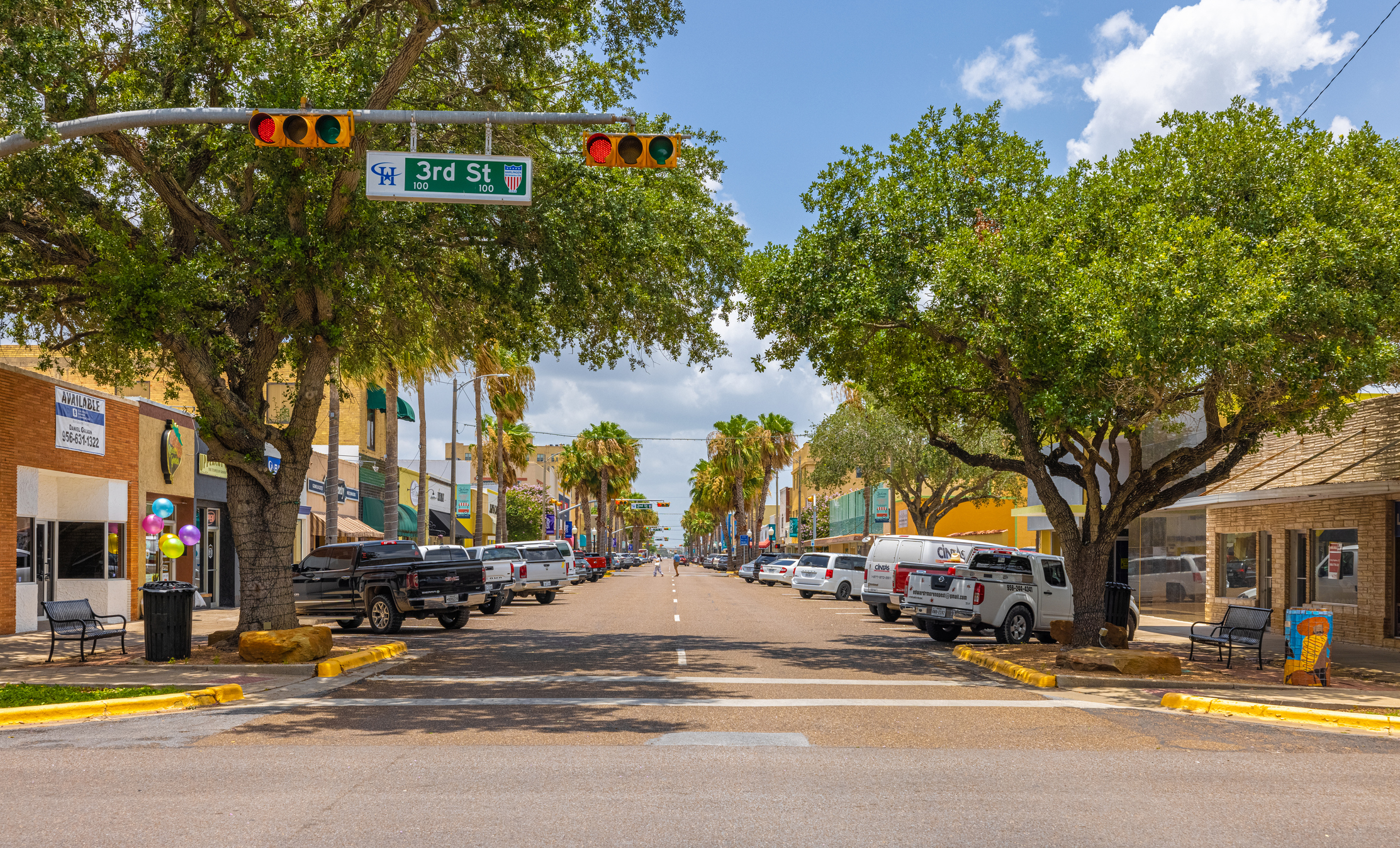




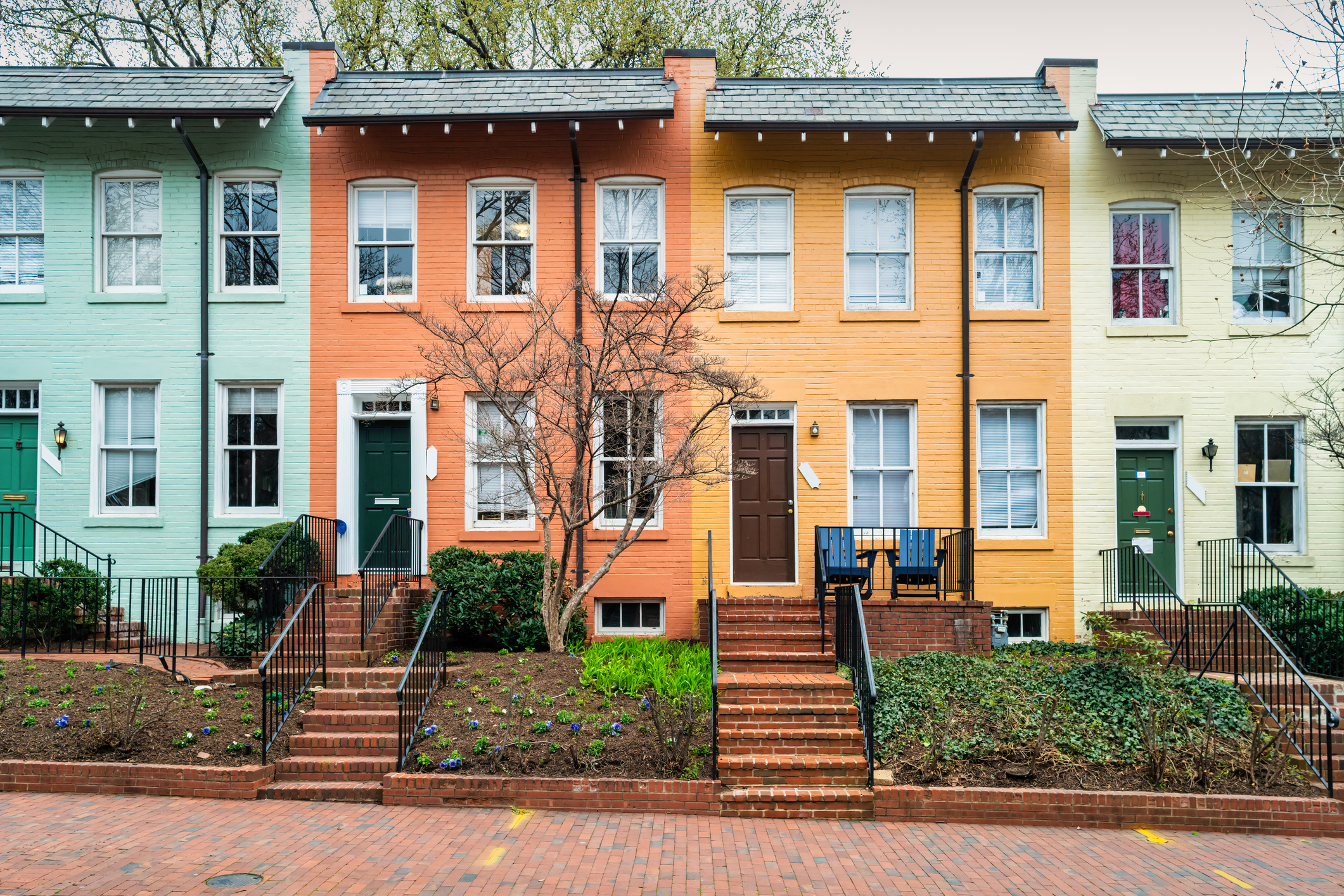













 The Real Estate Beat

You must be logged in to post a comment.