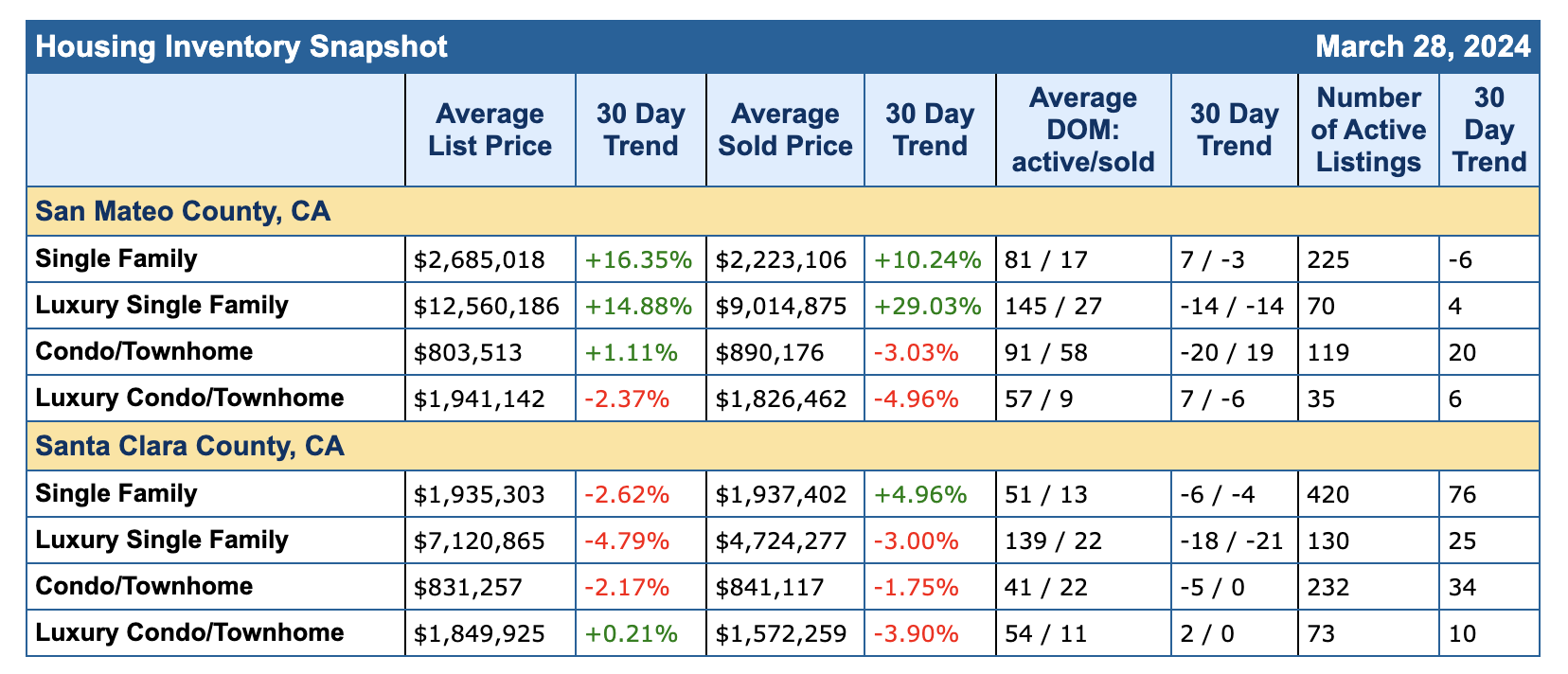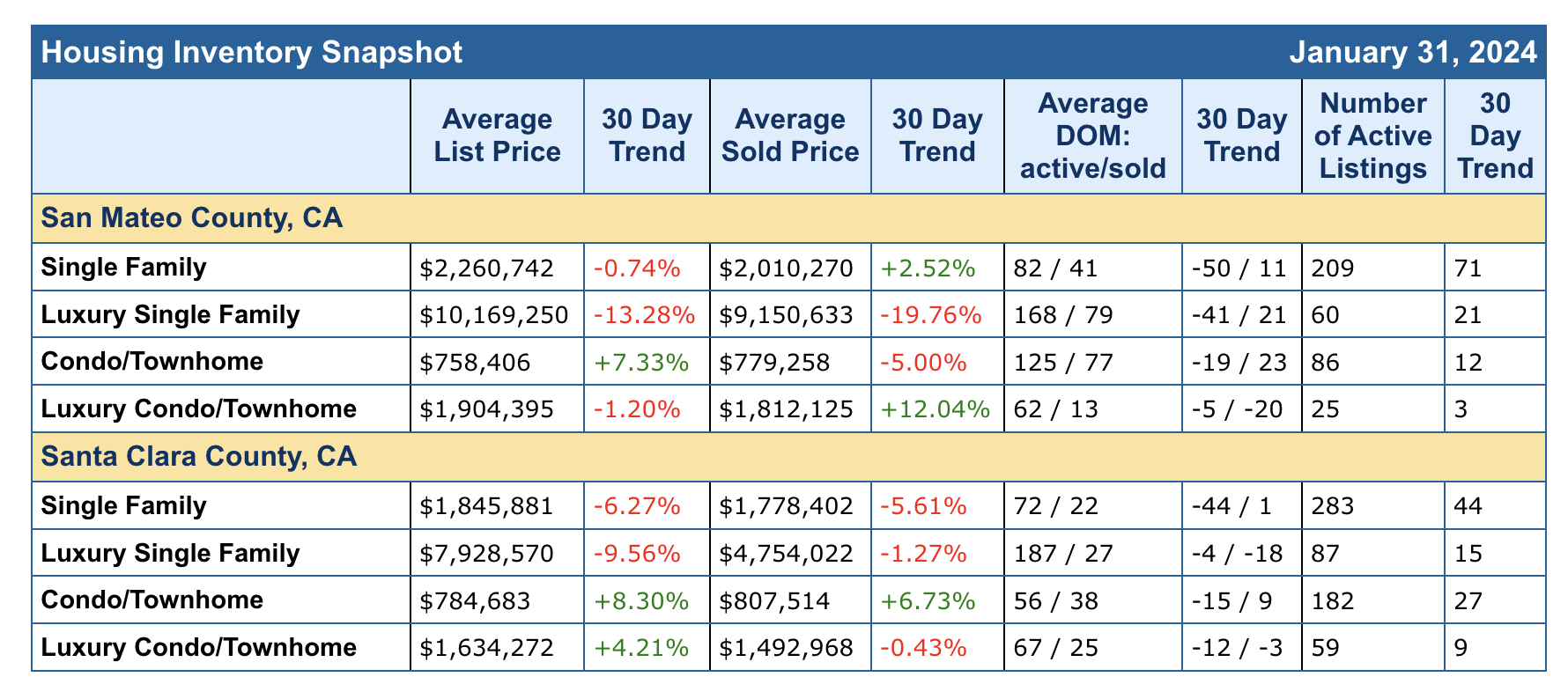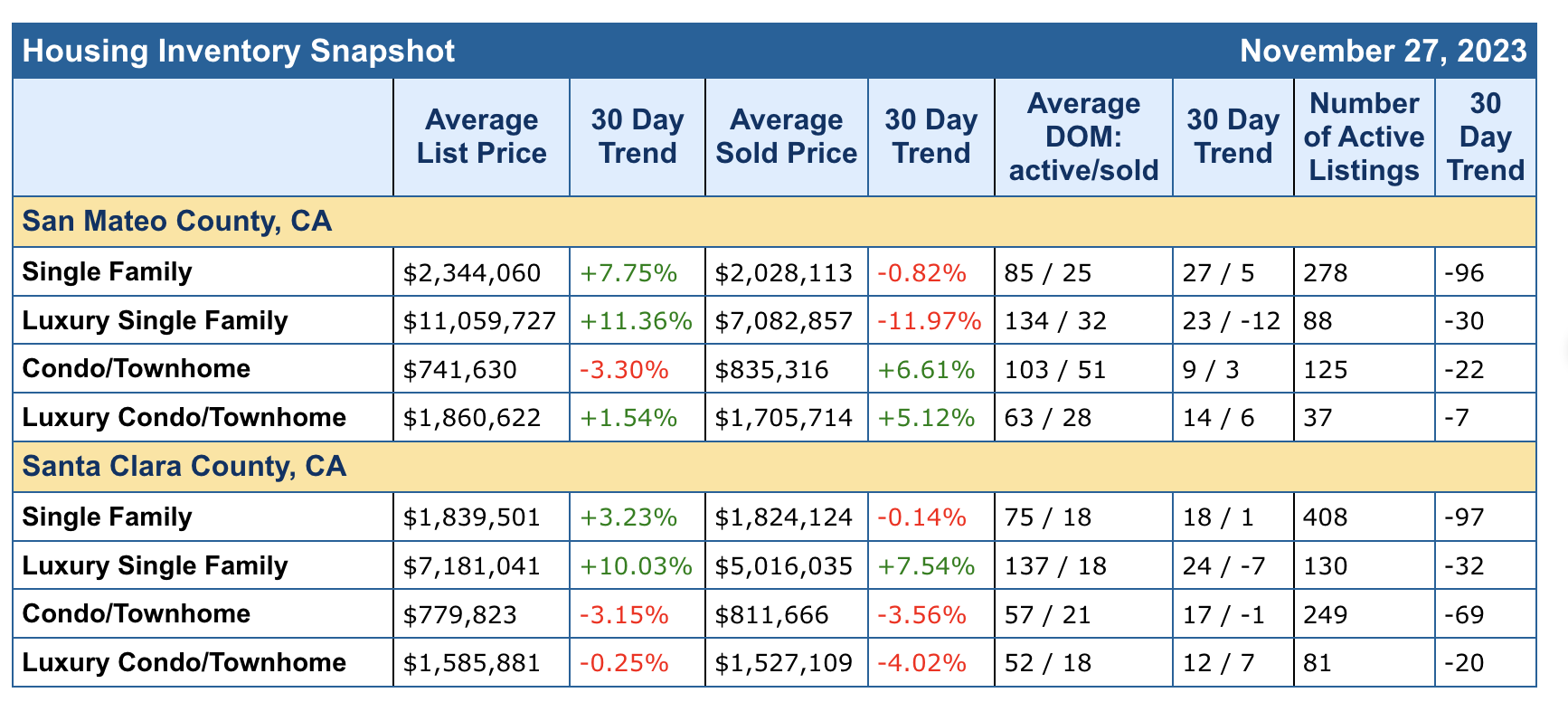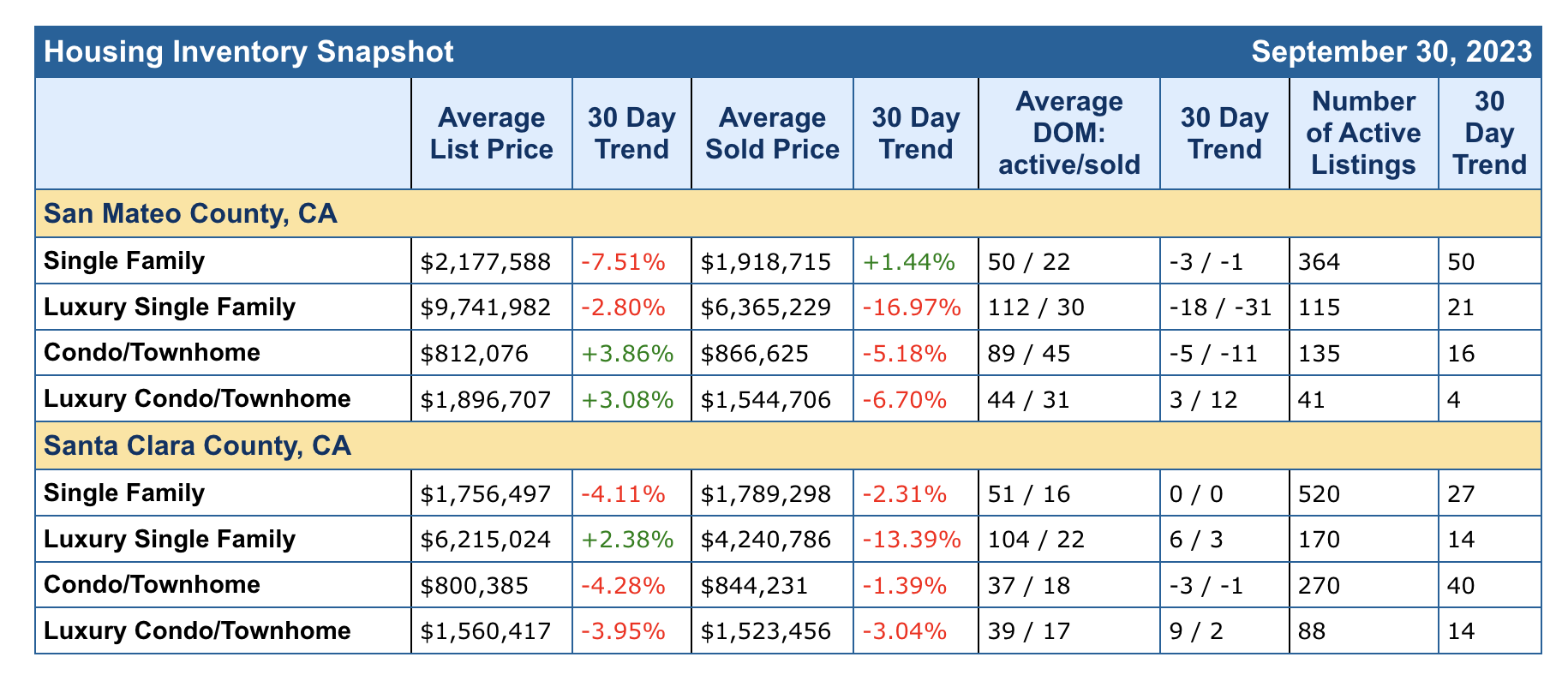

Happy Fall!!!! Now is a good time to prepare your home for the upcoming winter. Take a moment to walk your property, shore up any issues with windows, insulation and weather stripping. Enjoy these tips and let me know if I can add any…
Service Fireplace and Chimney: Have them cleaned and inspected before the first fire of the season.
Service Your Heating System: Schedule a professional tune-up so your furnace or heater is ready for cooler weather.
Swap Out Air Filters: Replace or clean filters to keep your HVAC system running efficiently and maintain good air quality.
Check Your Thermostat: Make sure it’s working properly and update settings for fall and winter.
Seal Windows and Doors: Apply weatherstripping or caulk to prevent drafts and reduce energy costs.
Winterize Outdoor Plumbing: Shut off outdoor water lines, drain hoses, store them indoors, and cover faucets to prevent freezing.
Inspect Your Roof: Look for damaged or missing shingles and make repairs before heavy rain or snow.
Clean Gutters and Downspouts: Clear out leaves and debris to avoid clogs and water damage.
Check Attic Insulation: Ensure you have proper insulation and ventilation to keep heat in and cold air out.
Flush Your Water Heater: Drain sediment buildup for better efficiency and set the temperature to 120°F.
Got Questions? The Caton Team is here to help.
Cell| Sabrina 650.799.4333 |Susan 650.796.0654 | EMAIL | WEB| BLOG
We love what we do and would love to help you navigate your sale or purchase of Residential Real Estate. Please reach out for a personal consultation. Please enjoy our free resources below and get to know our team from our TESTIMONIALS.
Effective. Efficient. Responsive. The Caton Team 🏡
Got Real Estate Questions? The Caton Team is here to help.
We strive to be more than just Realtors – we are also your home resource. If you have any real estate questions, concerns, need a referral, or some guidance – we are here for you. Contact us at your convenience – we are but a call, text, or click away!
The Caton Team believes, in order to be successful in the San Francisco | Peninsula | Bay Area | Silicon Valley Real Estate Market, we have to think and act differently. We do this by positioning our clients in the strongest light, representing them with the utmost integrity, while strategically maneuvering through negotiations and contracts. Together we make dreams come true.
A mother and daughter-in-law team with over 35 years of combined local Real Estate experience and knowledge – wouldn’t you like The Caton Team to represent you? Let us know how we can be of service. Contact us any time.
Cell | Sabrina 650.799.4333 | Susan 650.796.0654 | EMAIL | WEB| BLOG
The Caton Team – Susan & Sabrina A Family of Realtors Effective. Efficient. Responsive. What can we do for you?
Taking out a loan is a reality for most people at some point in their adult life. Loans can be used for various reasons, such as buying a home, funding education, or starting a business.
However, managing the loan repayment terms is crucial to maintaining financial health and avoiding the pitfalls of debt. Keep reading as we offer in-depth strategies for staying on top of your loan payments, ensuring you can meet your obligations while minimizing stress and financial strain.
1. Understand Loan Terms
Before you can effectively manage any loan, you need to understand the terms of said loan fully. Key elements include:
Interest Rate: The percentage of your loan amount that will be charged as interest over the life of the loan. Variable rates can change over time, while fixed rates remain the same for the duration of the loan.
Loan Term: The length of time you have to repay the loan, often expressed in months or years.
Repayment Schedule: The frequency of payments (monthly, bi-weekly, etc.) and the amount due.
Fees and Penalties: Any additional costs for late payments, early repayment, or loan servicing.
Why Understanding Terms Matters
Knowing your loan terms helps you plan your budget and anticipate your financial obligations and ensures you’re aware of any penalties or fees that could increase your repayment amount. Understanding all of these details upfront allows you to avoid costly mistakes or detrimental issues down the line.
2. Build a Repayment Plan
The first step in managing any loan repayment is to create a realistic and attainable budget and timeline. Make sure to calculate your income, expenses, and existing debt obligations (credit card, student loans, etc.) accurately.
Begin by listing all sources of income, then outline your fixed and variable expenses. To ensure they are prioritized, include your loan payments as a non-negotiable part of your budget.
Prioritizing Debts
If you have multiple loans or debts, it’s important to prioritize them. The best way to prioritize any existing debt is to think about current interest rates and loan terms to decide which debts should be paid off first. Generally, high-interest debts like credit cards should be prioritized, followed by lower-interest loans like mortgages or student loans. High-interest loans with shorter loan terms should be tackled as quickly as possible.
Establishing an Emergency Fund
An emergency fund is necessary to manage unexpected expenses without falling behind on loan payments. Experts advise having at least three to six months’ worth of living expenses. This safety net can help you stay on top of your loan payments even if your financial situation changes unexpectedly.
3. Automate Payments
Setting up automatic payments is so convenient these days and one of the easiest and most effective ways to make sure you never miss a loan payment. Automatic payments can help you:
Avoid Late Fees: Payments are made on time, reducing potential late fees or penalties.
Stay Organized: Automating payments simplifies your financial management by reducing the number of bills you need to remember each month.
Potential Interest Rate Discounts: Some lenders offer reductions in interest rates for borrowers who enroll in automatic payments.
How to Set Up Automatic Payments
Just like setting up automatic credit card payments, the majority of lenders let you set up automatic payments through their online portal. After a few verification steps, you can link your bank account and select the withdrawal date that aligns best with your cash flow.
It is important to pick a date on which you know there will be enough money in your account to cover the payment so you don’t incur insufficient fund fees or other penalties.
4. Make Extra Payments
Making any additional payments on your loan can significantly reduce the total interest paid over the loan’s lifespan and help you pay off the debt faster. Even the most minor amounts can make a huge difference in reducing your loan balance.
Strategies for Extra Payments
Round-Up Payments: You can round your monthly payment up to the nearest hundred or add a fixed amount (like $50) to your regular payment.
Use Windfalls: Apply bonuses, tax refunds, side hustles or other unexpected income directly to your loan balance.
Bi-Weekly Payments: Instead of making one lump sum payment, consider splitting up your payment in half and pay every two weeks. This helps pay off the debt faster and reduces the interest costs.
Confirm How Payments Are Applied
When making extra payments, double-check that they are being applied to the principal rather than future payments. This will reduce the amount of interest you pay and help you pay off the loan sooner.
5. Consider Refinancing
Refinancing a loan is when you take your existing loan term and replace it with a new one, typically at a lower interest rate or with different terms. Consider refinancing if:
Interest Rates Have Dropped: Securing a lower interest rate reduces your monthly payment and total interest paid.
Your Credit Has Improved: An increased credit score could help secure more favorable loan terms.
You Need to Adjust Your Loan Term: Based on your current financial situation, you want to extend or shorten your repayment period.
6. Open Lender Communication
If you have a life-changing event that might make it challenging to make your loan payments on time, it’s important to communicate with your lender as soon as possible. Many lenders offer hardship programs or will actively work with you to adjust payments temporarily as long as you have open communication and can come to an agreement.
Options for Temporary Relief
Forbearance: Temporarily reduce or suspend your payments, though interest may continue to accrue.
Loan Modification: Adjust the existing loan terms (ex., extending the repayment period or reducing the interest rate).
Deferment: Postpone payments without accruing interest, typically for loans like student loans.
How to Approach Your Lender
When contacting your lender, be honest about your financial situation and proactive in seeking a solution. Provide any requested documentation and be prepared to discuss how long you expect to need assistance. Many lenders are willing to work with borrowers to find a mutually beneficial arrangement.
7. Monitor Your Progress
It’s important to track your loan balance and payment history actively. If you have a spreadsheet you use with total payments, enter each payment to easily identify the remaining balance and match it with the lender’s loan amounts.
This will help you stay informed about your progress and confirm that your payments are correctly applied.
Adjust Your Budget as Needed
Life circumstances change, and your budget should adapt. For example, consider allocating more funds to your loan payments to pay off the debt faster. Conversely, if your income decreases, you may need to adjust your budget to maintain timely payments.
8. Consider Professional Help
Managing loan repayments can often become overwhelming. If you’re struggling to make payments or have any questions about the terminology, timelines, rates, etc., consider seeking help from a financial counselor. A certified financial counselor can help you create a budget, negotiate with lenders, and develop a debt repayment plan tailored to your situation.
Choosing a Reputable Counselor
Look for a nonprofit organization or a certified financial planner (CFP) who is accredited by a recognized financial planning body. Ensure that the counselor has experience with loan repayment strategies and can offer unbiased advice.
Benefits of Financial Counseling
Personalized Advice: A financial counselor can provide tailored advice based on your financial situation.
Debt Management Plans: If you’re managing multiple debts, a counselor might help you develop a debt management plan that consolidates payments and may reduce interest rates.
Long-Term Financial Planning: A financial counselor can assist with bigger financial goals, such as saving for retirement or building an emergency fund.
Conclusion
Managing your loan repayment requires thoughtful planning, discipline, and proactive strategies. By understanding your loan terms, creating a realistic budget, automating payments, and exploring options like refinancing or loan consolidation, you can successfully manage your debt and protect your financial health now and in the future. Building the foundation now and setting yourself up with a well-crafted plan and routine can help with your financial stability for years to come.
Cell| Sabrina 650.799.4333 |Susan 650.796.0654 | EMAIL | WEB| BLOG
We love what we do and would love to help you navigate your sale or purchase of Residential Real Estate. Please reach out for a personal consultation. Please enjoy our free resources below and get to know our team from our TESTIMONIALS.
Effective. Efficient. Responsive. The Caton Team 🏡
Got Real Estate Questions? The Caton Team is here to help.
We strive to be more than just Realtors – we are also your home resource. If you have any real estate questions, concerns, need a referral, or some guidance – we are here for you. Contact us at your convenience – we are but a call, text or click away!
The Caton Team believes, in order to be successful in the San Fransisco | Peninsula | Bay Area | Silicon Valley Real Estate Market we have to think and act differently. We do this by positioning our clients in the strongest light, representing them with the utmost integrity, while strategically maneuvering through negotiations and contracts. Together we make dreams come true.
A mother and daughter-in-law team with over 35 years of combined, local Real Estate experience and knowledge – wouldn’t you like The Caton Team to represent you? Let us know how we can be of service. Contact us any time.
Cell | Sabrina 650.799.4333 | Susan 650.796.0654 | EMAIL | WEB| BLOG
The Caton Team – Susan & Sabrina A Family of Realtors Effective. Efficient. Responsive. What can we do for you?
Picking colors is one of my favorite parts of helping my selling clients prepare for sale. I enjoyed this article by Quincy Bulin.
Getting ready to sell your home? Don’t put it on the market before checking these interior paint colors buyers hate.
Price and stock could change after publish date, and we may make money off these affiliate links. Learn more.
Photo: Laurey Glenn
Interior Paint Colors Buyers Hate
There’s a lot that can turn someone off while house hunting—damage, clutter and curb appeal, to name a few. One of the easiest and most high-impact changes to make is repainting your walls. But what colors do buyers dislike? We’ve pulled together the top 9 paint colors that buyers hate and what you should use instead.
It makes sense that sellers often opt for bright-white paint when trying to refresh their home, but according to Colette Archambault, co-founder of Hunter Hill Interiors, its stark, sterile appearance is better suited for a hospital. “Bright white can also create harsh contrasts and show imperfections more easily,” she adds.
Photo: Photo by Tamara Flanagan Photography, design by Hunter Hill Interiors
Do: Simply White by Benjamin Moore
Archambault prefers a white paint with warmth to it, one of her favorites being Benjamin Moore’s Simply White. “It has a softness that makes a space feel welcome and refined,” the designer explains. You still get the crisp, modern look—just without the harshness.
Not all grays are created equal. In fact, Kathryn Linea Rund, Strategic Design and Development Advisor at HouseCashin, says that “grays with blue or purple undertones feel cold and unwelcoming.” Even when paired with warm furniture and finishes, it still feels corporate and stiff.
The beauty of a greige like Sherwin-Williams Mindful Gray is that it balances warm and cool tones. According to Rund, this is what makes it so versatile and “perfect for open-concept layouts and home staging.”
Psychology tells us that red is a powerful color—especially vivid shades. “Often perceived as intense and overwhelming, red can make a space feel smaller and may evoke strong emotional responses,” explains Andrea Viscuso, licensed real estate agent at Compass.
Photo: Arnelle Lozada. From: HGTV Handmade.
Do: Cavern Clay by Sherwin-Williams
Though not actually red, this warm terracotta color—Cavern Clay by Sherwin-Williams—has red tones that make it a worthy substitute. Rund says it “brings an earthy elegance without overpowering a room,” though she does recommend it for accent walls and smaller spaces.
Though moody hues aren’t necessarily bad to buyers, black is a different story. “Even though it’s daring, painting a whole room black absorbs light and depth, resulting in a flat and lifeless appearance,” Barbara E. Tanaka, Strategic Home Design and Organizing Advisor at Real Estate Bees, says of the color. (Plus, imagine how many coats of primer the new homeowner would need to paint over it!)
A classic navy, however, is different. One of her favorites, Tanaka recommends Hale Navy by Benjamin Moore or a similarly deep hue with a little bit of sheen “for a refined appearance that adds dimension and a hint of luxury without overpowering the room.”
Nature-inspired greens are always going to be timeless—because what would be more timeless than the great outdoors? That said, olive green can too easily read as muddy, which Rund declares is “drab, especially in small spaces” and “often associated with older, out-of-date design trends.”
Photo: Valeria Jacobs
Do: Evergreen Fog by Sherwin-Williams
On the other hand, sage is right on trend. Rund describes Evergreen Fog by Sherwin-Williams as “a soft and sophisticated green with gray undertones that feels calming, clean, and modern.” It has the ability to ground any space while still adding color.
Considered a default color you can find in a lot of new builds, painting a nondescript beige on the wall is supposed to be versatile and classic. Rund argues, however, that it “feels bland and dated” and “lacks warmth and personality.”
Photo: SARAH NATSUMI MOORE
Do: Pale Oak by Benjamin Moore
Considered a go-to by many designers, Viscuso says Benjamin Moore’s Pale Oak “is a subtle color with a tiny touch of greige-slash-tan that looks great in any space.” Whereas “builder beige” looks heavy on the wall, Pale Oak has an irresistible airiness to it that makes your home feel lighter and brighter.
Though pretty, Krasovec insists that light blue can feel “too bright and childlike” in a home. It’s also more difficult to build a color palette with and limiting when it comes to style and patterns.
Photo: Robert Peterson, Rustic White
Do: Stardew by Sherwin-Williams
The soft, Sherwin-Williams Stardew blue walls in the living room help unify this space with the adjacent kitchen and keep things feeling open and spacious. A large coquina fireplace brings a historic element found throughout St. Augustine design into the living area and connects this space with the area’s history.
Browns like chocolate and espresso are dated shades, not to mention especially heavy for a room to carry. “It can make spaces feel smaller and weighted, as it brings a traditional, masculine, and even oppressive feel,” says Rund.
Photo: Laurey Glenn
Do: Nutshell by Sherwin-Williams
Though just as deep and rich as a darker brown, Rund recommends this earthy brown, Nutshell by Sherwin-Williams, as it’s “softened by mauve and taupe undertones, leaving a room feeling curated, rather than cavernous.” You get all the sophistication without the visual weight.
Originally taking inspiration from the ocean, the bright and bold hue is now seen as juvenile and outdated. “It’s become the cliche color of coastal-themed bathrooms and mermaid-decorated children’s rooms, limiting a buyer’s potential,” Rund describes.
Photo: Laurey Glenn
Do: Quietude by Sherwin-Williams
An option that still has coastal roots, Quietude by Sherwin-Williams is light, breezy, and reminiscent of sea glass. According to Rund, you get the same spirit without overwhelming a space.
Cell| Sabrina 650.799.4333 |Susan 650.796.0654 | EMAIL | WEB| BLOG
We love what we do and would love to help you navigate your sale or purchase of Residential Real Estate. Please reach out for a personal consultation. Please enjoy our free resources below and get to know our team from our TESTIMONIALS.
Effective. Efficient. Responsive. The Caton Team 🏡
Got Real Estate Questions? The Caton Team is here to help.
We strive to be more than just Realtors – we are also your home resource. If you have any real estate questions, concerns, need a referral, or some guidance – we are here for you. Contact us at your convenience – we are but a call, text, or click away!
The Caton Team believes, in order to be successful in the San Francisco | Peninsula | Bay Area | Silicon Valley Real Estate Market, we have to think and act differently. We do this by positioning our clients in the strongest light, representing them with the utmost integrity, while strategically maneuvering through negotiations and contracts. Together we make dreams come true.
A mother and daughter-in-law team with over 35 years of combined local Real Estate experience and knowledge – wouldn’t you like The Caton Team to represent you? Let us know how we can be of service. Contact us any time.
Cell | Sabrina 650.799.4333 | Susan 650.796.0654 | EMAIL | WEB| BLOG
The Caton Team – Susan & Sabrina A Family of Realtors Effective. Efficient. Responsive. What can we do for you?
Come see this jewel on the coast, The Sequin – 201 Bridgeport in El Granada. This coastal gem features 3 bedrooms and 2 full baths. Freshly painted in and out, step into a cozy living area with custom built in book shelves nestling the fireplace. A reading nook, garden window and skylights round out this space. Venture into the dining area off the kitchen and catch all the action. With updated counters and backsplash, this kitchen is open and inviting. With garden window over the sink and sliding door to the back yard, the outdoors are welcomed in. Down the hall you’ll find the washer and dryer behind the curtain. The hall bath features shower over tub, stylish sink and modern vanity. The primary suite is tucked in back, with shower over tub and rain water shower head. Low maintenance yard with Hot Tub Included. 2 car garage with electrical vehicle charging station. Come enjoy the coastal life at The Sequin. Postal code is Half Moon Bay, home is physically in El Granada. Yearly HOA of $150 includes neighborhood park, close to the harbor, beaches and great dining. Welcome Home to “The Seaquin”.
Call| Text | Sabrina 650.799.4333 |Susan 650.796.0654 | EMAIL | WEB| BLOG
We love what we do and would love to help you navigate your sale or purchase of Residential Real Estate. Please reach out for a personal consultation. Please enjoy our free resources below and get to know our team from our TESTIMONIALS.
Effective. Efficient. Responsive. The Caton Team 🏡 How can The Caton Team help You?
Got Real Estate Questions? The Caton Team is here to help.
We strive to be more than just Realtors – we are also your home resource. If you have any real estate questions, concerns, need a referral, or some guidance – we are here for you. Contact us at your convenience – we are but a call, text or click away!
The Caton Team believes, in order to be successful in the San Fransisco | Peninsula | Bay Area | Silicon Valley Real Estate Market we have to think and act differently. We do this by positioning our clients in the strongest light, representing them with the utmost integrity, while strategically maneuvering through negotiations and contracts. Together we make dreams come true.
A mother and daughter-in-law team with over 35 years of combined, local Real Estate experience and knowledge – wouldn’t you like The Caton Team to represent you? Let us know how we can be of service. Contact us any time.
Call| Text | Sabrina 650.799.4333 | Susan 650.796.0654 | EMAIL | WEB | BLOG
The Caton Team – Susan & Sabrina A Family of Realtors Effective. Efficient. Responsive. What can we do for you?
Your credit report should be a source of absolute truth. After all, this is supposed to be an overview of your borrowing behaviors with creditors. When you apply for a credit card, mortgage, car loan, or even some non-financial application (such as for jobs and rentals), lenders pull your credit report to judge your creditworthiness.
So, mistakes on your credit report have long-reaching consequences. And yet, many Americans are surprised to learn errors on your credit report are quite common. A 2024 Consumer Reports survey of more than 4,000 people found that 44% of people who checked their credit report found at least one mistake. Of those people, 27% said the mistakes were around account information errors, including accounts they did not recognize, on-time payments being reported as late or missed payments, and debts listed in collections that did not belong to them.
Luckily, there’s a straightforward process in place for disputing credit report errors. Let’s walk you through the process.
Why Mistakes on Your Credit Report Matter
First, it’s essential to understand why mistakes on your credit report matter:
If your identification information (address, name, birthdate) is incorrect, it can make it hard to get approved for new loans or credit because the information you put on the application doesn’t match what’s on your report.
If there is an error around account information, such as having debts listed that aren’t yours or payments listed as late even though you’ve paid on time, it can negatively affect your credit score. Each of these errors can significantly lower your credit score and impact your approval for new loans or credit. Or, if you are approved, your lower credit score means you’ll get a much higher interest rate. Paying a higher interest rate can cost you hundreds if not thousands of dollars on your overall loan!
Sometimes, you need to submit your credit information when applying for a job or a new rental agreement. In these situations, the errors might come across as concerning and cost you that job or lease opportunity.
Many unexplained errors on your credit report can also indicate someone is trying to steal your identity.
How to Dispute Errors on Your Credit Report
Thanks to the Fair Credit Reporting Act (FCRA), every consumer has a right to an accurate credit report. If you find any mistakes, you can file a dispute to have the information reviewed. Then, the credit bureau will contact the business that reported the information and ask them to verify the data. Credit bureaus must investigate your dispute within 30 days of you filing the request.
There are three credit bureaus: Experian, Equifax, and TransUnion and you have a credit report with each one. While your credit reports should generally be similar, it’s normal for there to be some slight discrepancies. This mainly stems from creditors reporting your information to some, but not all, of the bureaus.
You’ll need to file a dispute with each credit bureau individually that has incorrect information on your credit report.
To file a dispute, take these steps:
You can file a dispute by mail, phone call, or online. You’ll want to fill out the dispute form and also attach a personal letter. Your letter should include what you think is wrong on your credit report, a copy with the mistakes highlighted, the action you would like the credit bureau to take, and any supporting documents that prove your case. Make sure to only send copies of supporting documents, not originals, so if anything gets lost, you still have proof.
If your request is deemed “irrelevant,” they’ll notify you of this decision and close out the dispute. They’ll also provide you with their reasoning (such as not enough evidence) so you can follow up if needed.
Suppose the credit bureau reaches out to the business, and they cannot prove the information to be accurate. In that case, it’s the business’s responsibility to notify all three credit bureaus so all your credit reports can be updated.
The credit bureau is obligated to give you the dispute results in writing. If your dispute led to any changes in your credit report, you will receive a free copy of your updated report. This copy doesn’t count towards your one free annual report.
You can ask the credit bureau to send the corrected credit report to any lender that accessed your credit report in the last six months.
Monitor Your Credit
What’s the saying … fool me once, shame on you, fool me twice, shame on me? If you found an error on your credit report once, know it can happen again. And now that you understand the potential adverse side effects of these mistakes, you know just how important it is to catch and rectify these errors.
This is why monitoring your credit is so important. As a consumer, you’re entitled to a free copy of your credit report from each credit bureau once every 12 months. Make it a habit to order this report and review it.
Credit monitoring companies are an option if you don’t have enough time to dedicate to this task. These companies offer many helpful services, including monitoring your credit and alerting you of significant changes in your credit score, reviewing your credit report for mistakes, filing disputes on your behalf, and offering credit improvement advice. Of course, this all comes for a fee.
So, it’s up to you to decide if you’re up for this responsibility or if you’d rather outsource it to someone else. The most important thing is that it gets done by someone!
Cell| Sabrina 650.799.4333 |Susan 650.796.0654 | EMAIL | WEB| BLOG
We love what we do and would love to help you navigate your sale or purchase of Residential Real Estate. Please reach out for a personal consultation. Please enjoy our free resources below and get to know our team from our TESTIMONIALS.
Effective. Efficient. Responsive. The Caton Team 🏡
Got Real Estate Questions? The Caton Team is here to help.
We strive to be more than just Realtors – we are also your home resource. If you have any real estate questions, concerns, need a referral, or some guidance – we are here for you. Contact us at your convenience – we are but a call, text or click away!
The Caton Team believes, in order to be successful in the San Fransisco | Peninsula | Bay Area | Silicon Valley Real Estate Market we have to think and act differently. We do this by positioning our clients in the strongest light, representing them with the utmost integrity, while strategically maneuvering through negotiations and contracts. Together we make dreams come true.
A mother and daughter-in-law team with over 35 years of combined, local Real Estate experience and knowledge – wouldn’t you like The Caton Team to represent you? Let us know how we can be of service. Contact us any time.
Cell | Sabrina 650.799.4333 | Susan 650.796.0654 | EMAIL | WEB| BLOG
The Caton Team – Susan & Sabrina A Family of Realtors Effective. Efficient. Responsive. What can we do for you?
Many people view debt as something to avoid, yet the average American household has about $101,915 in debt. The key is not to refrain from taking on debts entirely but to learn to differentiate between good debt and bad debt. Good debts can help you build wealth and meet your goals. They are an investment into your future. You get something valuable in return for taking on the debt. On the other hand, bad debts are high-cost and high-risk.
What Is Good Debt?
Good debt has long-term financial benefits. It provides financial returns, even if it takes time to return money to your wallet. Smart debt also carries low interest rates, making it more affordable. In short, the advantages outweigh the costs.
Home Mortgages
A typical example of good debt is your home mortgage. This type of loan is considered good because mortgages typically have low interest rates, and owning real estate is a way to build wealth. Plus, as you make payments and build some equity, you can use it as collateral to take out a home equity loan or line of credit. Homeowners can use this money to make home improvements, pay for college or a large purchase, or pay off high-interest debts. Mortgage terms vary, so know what to expect and how to choose your mortgage lender to get the best deal.
Education Loans
Education is also generally a safe investment. Despite the rising costs of higher education, those who graduate with a degree have a better chance of landing a high-paying job. Taking out student loans is a way to invest in your future and drastically increase your earning potential.
Small Business Debt
Starting a business generally requires a significant financial investment to get it going, but once established, that business can provide you with a steady source of income. Remember to explore tax deductions for qualified business expenses to save money and help you pay off your business loan faster.
What Is Bad Debt?
Bad debts are generally those acquired to make purchases that depreciate in value. They end up taking money away from you. Bad debt is also any debt that you can’t afford. If you have trouble making on-time payments, you may find yourself racking up expensive fees and penalties, which increases your debt and lowers your credit score. If you’ve already made some money mistakes, you can explore debt management options to pay down bad debts quickly.
Credit Card Debt
High-interest credit card debt is the perfect example of bad debt. Most purchases are for everyday expenses and various goods and services that don’t offer a return on investment, like real estate or education. Further, if you have a high credit utilization or fail to make your payments, your credit will take a hit.
If you plan to use a credit card, pay close attention to the interest rate. Pay off your balance quickly to avoid racking up more debt in accumulated interest. You can also get more value out of your card by choosing one that offers perks, like cashback on purchases or travel miles.
High-Interest Personal Loans
Taking out a personal loan to fund a non-essential purchase like a vacation, a new wardrobe, or a wedding can quickly become more expensive than you originally anticipated. You end up paying more than the item’s value, interest and fees.
Payday Loans
Payday loans are often expensive, with high fees and interest rates that can keep you locked in a cycle of debt that’s difficult to escape. These loans are generally for small amounts and targeted at people needing immediate emergency expense funds. Most payday loan terms use your next paycheck to repay the debt. Borrowers can choose to extend the length of the loan for a fee. The extravagant interest rates and fees can quickly balloon the debt owed to two or three times the original amount. Most states cap lender fees at $30 per $100 borrowed in an attempt to limit these predatory terms.
Auto Loans and Car Title Loans
The value of a new car begins to depreciate as soon as you leave the dealership, which is why most auto loans are considered bad debt. Even if you sell your vehicle in a few years, you won’t make nearly the amount you paid for it. That said, an auto loan is sometimes necessary and can be considered good if the terms are favorable and the access to transportation helps you secure a well-paying job.
Car title loans are another type of debt to watch out for. These loans use your car as collateral, so if you fail to repay the loan as promised, the lender can take ownership of your vehicle. As with all types, you must make sure you can afford the debt and that the risks are worthwhile before accepting any credit offered.
Before you take on any kind of new debt, consider if it will increase your net worth or detract from it. Weight the pros and cons carefully and factor in your budget and ability to repay the debt. When you have a deeper understanding of the different types of debts, you can make better financial decisions that help you grow wealth and work toward a more secure financial future.
Cell| Sabrina 650.799.4333 |Susan 650.796.0654 | EMAIL | WEB| BLOG
We love what we do and would love to help you navigate your sale or purchase of Residential Real Estate. Please reach out for a personal consultation. Please enjoy our free resources below and get to know our team from our TESTIMONIALS.
Effective. Efficient. Responsive. The Caton Team 🏡
Got Real Estate Questions? The Caton Team is here to help.
We strive to be more than just Realtors – we are also your home resource. If you have any real estate questions, concerns, need a referral, or some guidance – we are here for you. Contact us at your convenience – we are but a call, text or click away!
The Caton Team believes, in order to be successful in the San Fransisco | Peninsula | Bay Area | Silicon Valley Real Estate Market we have to think and act differently. We do this by positioning our clients in the strongest light, representing them with the utmost integrity, while strategically maneuvering through negotiations and contracts. Together we make dreams come true.
A mother and daughter-in-law team with over 35 years of combined, local Real Estate experience and knowledge – wouldn’t you like The Caton Team to represent you? Let us know how we can be of service. Contact us any time.
Cell | Sabrina 650.799.4333 | Susan 650.796.0654 | EMAIL | WEB| BLOG
The Caton Team – Susan & Sabrina A Family of Realtors Effective. Efficient. Responsive. What can we do for you?
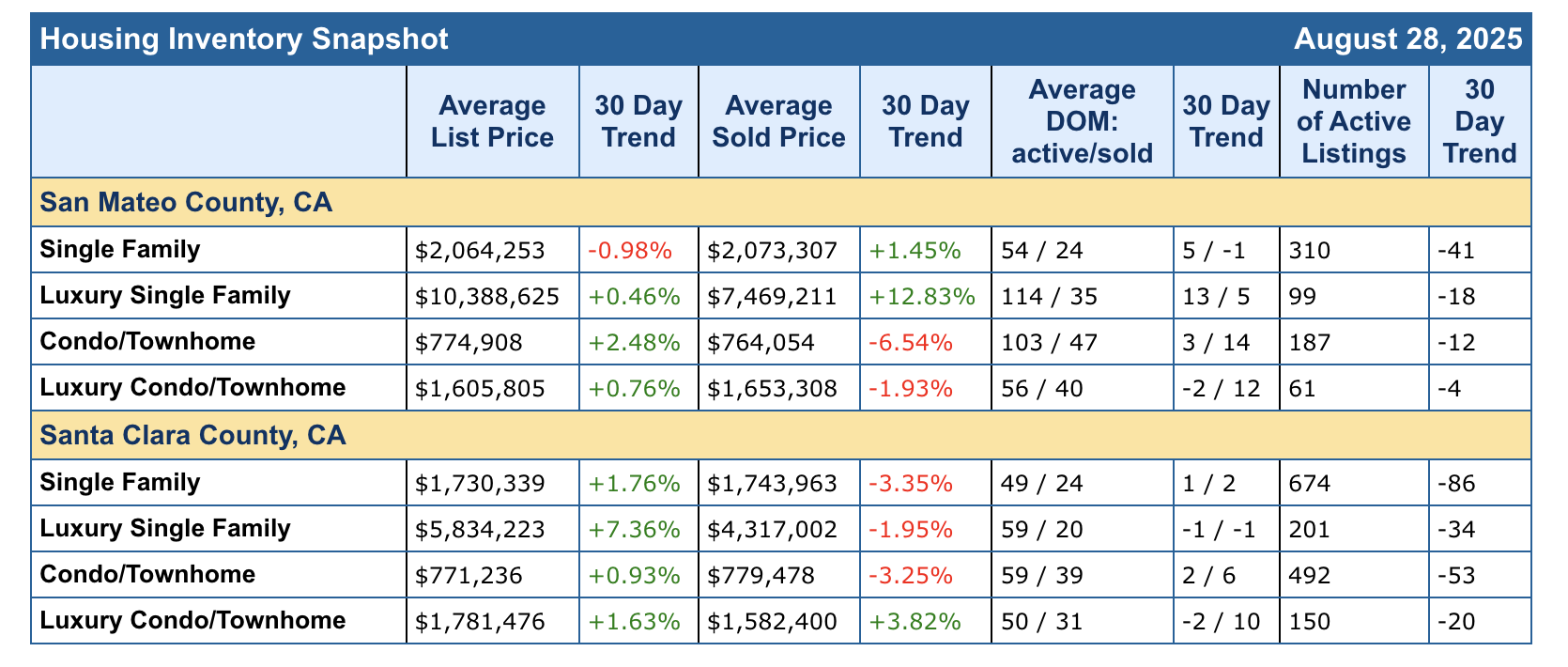
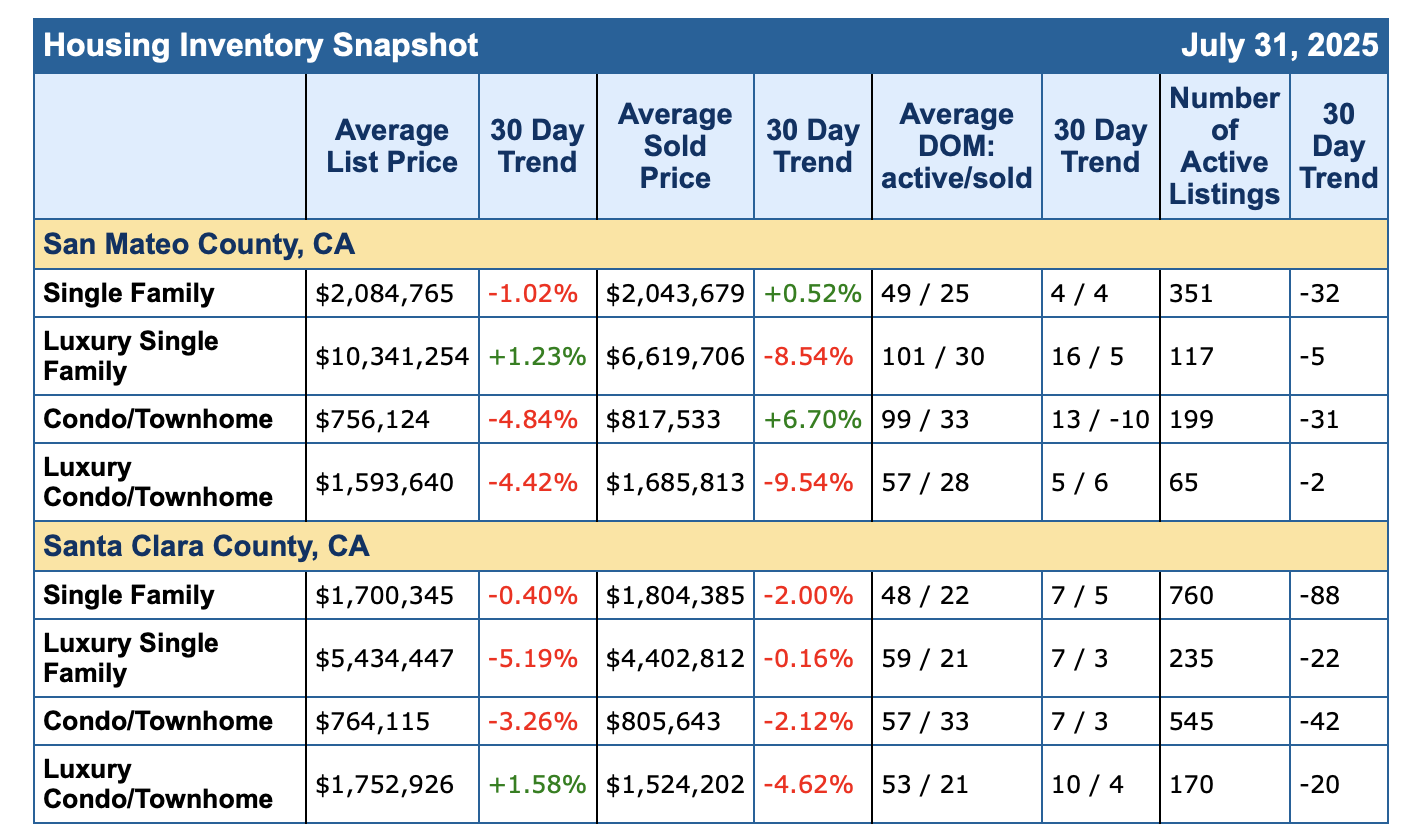
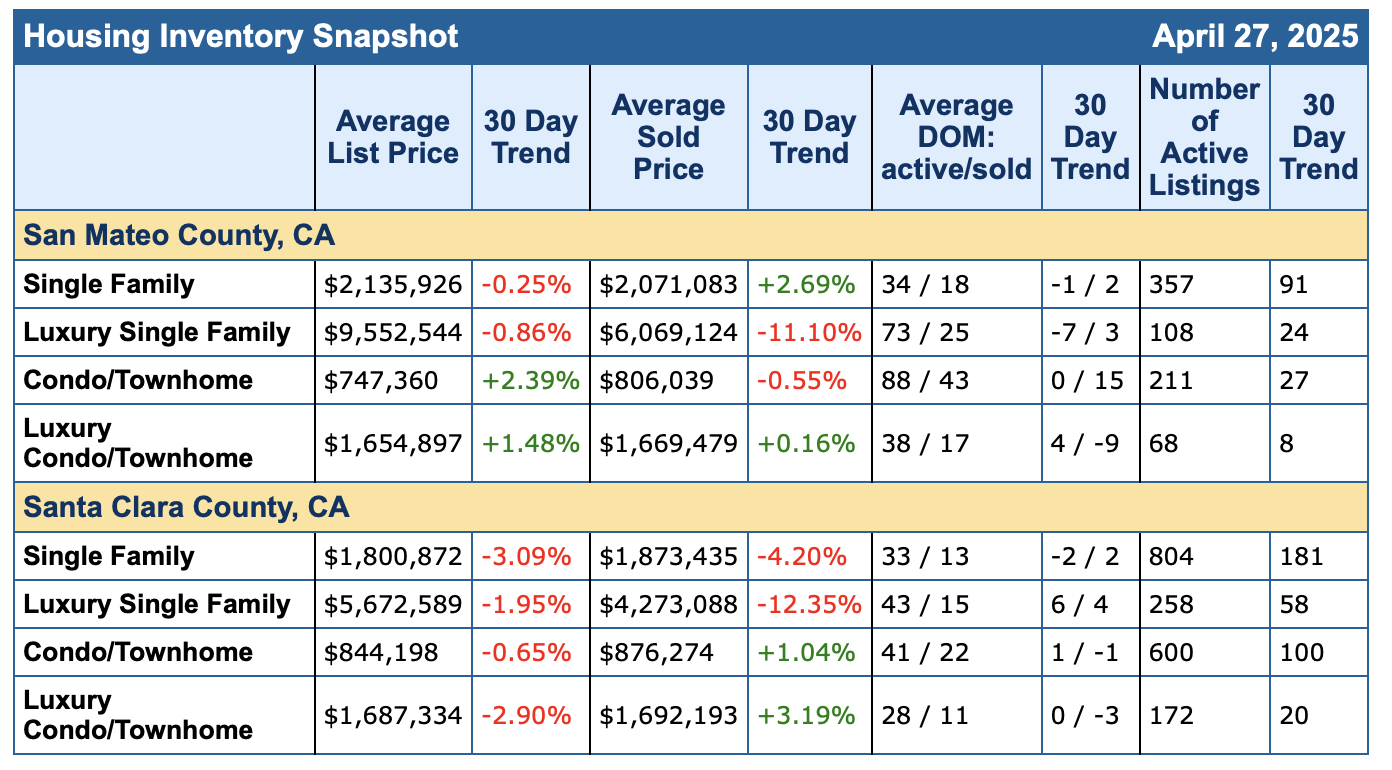
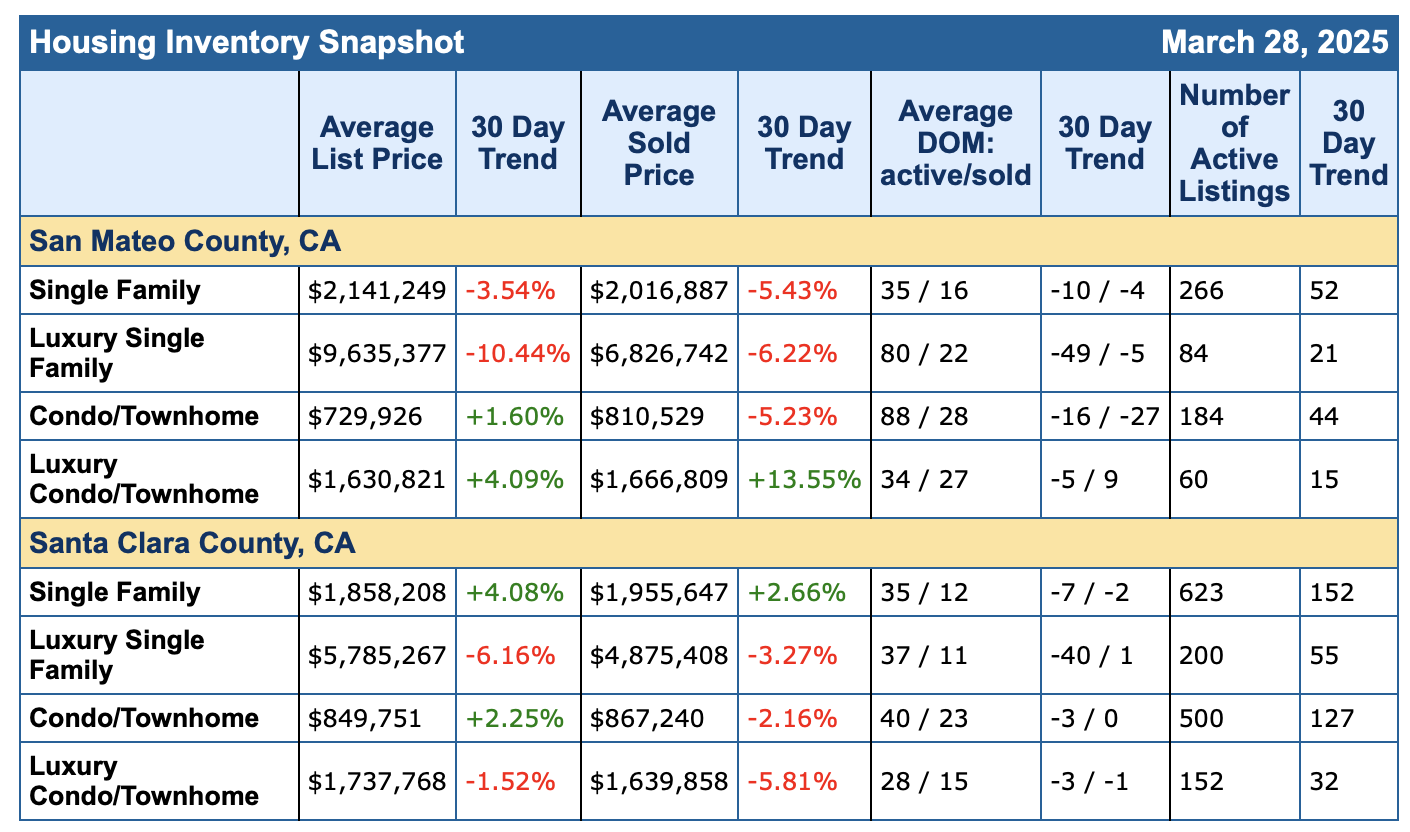
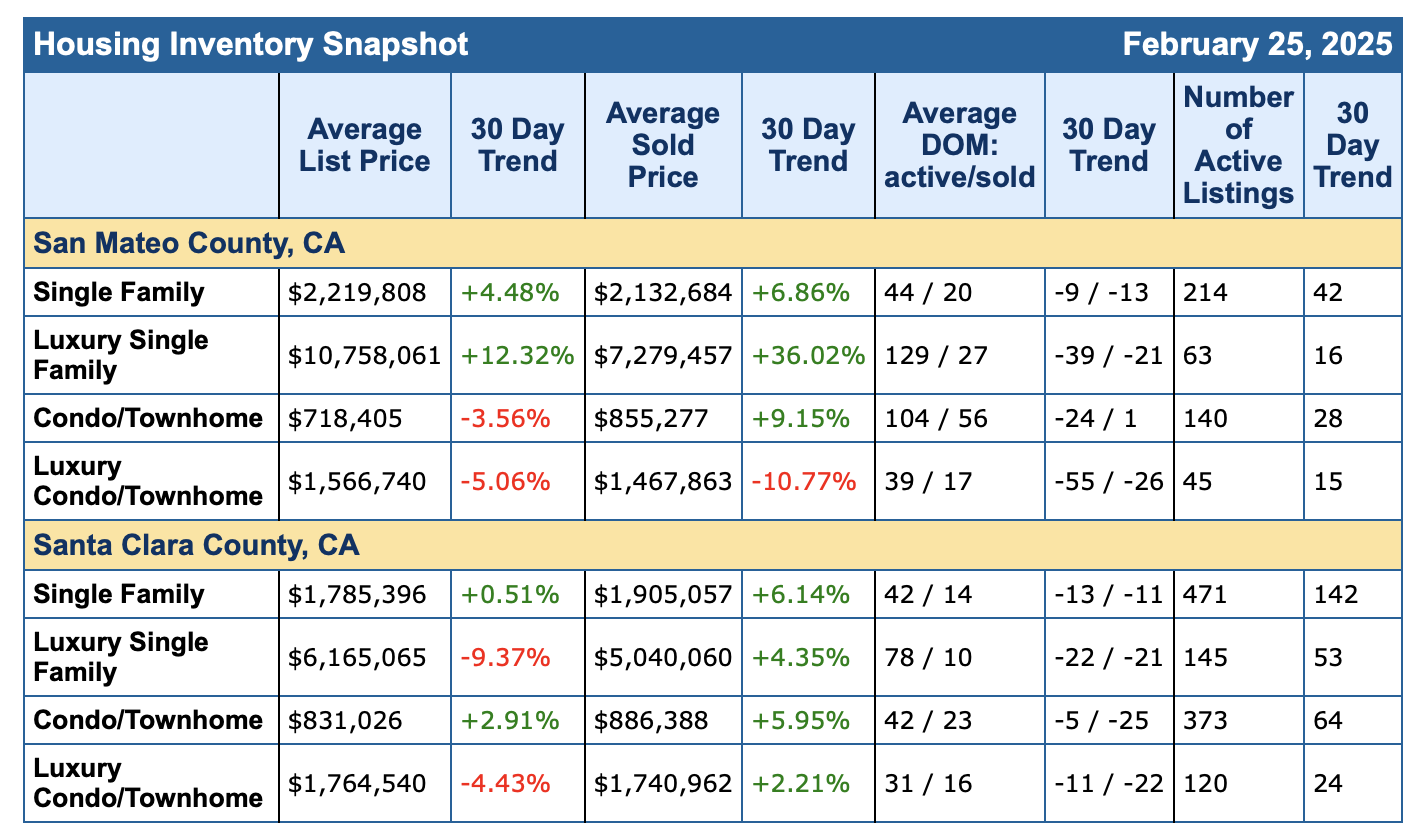
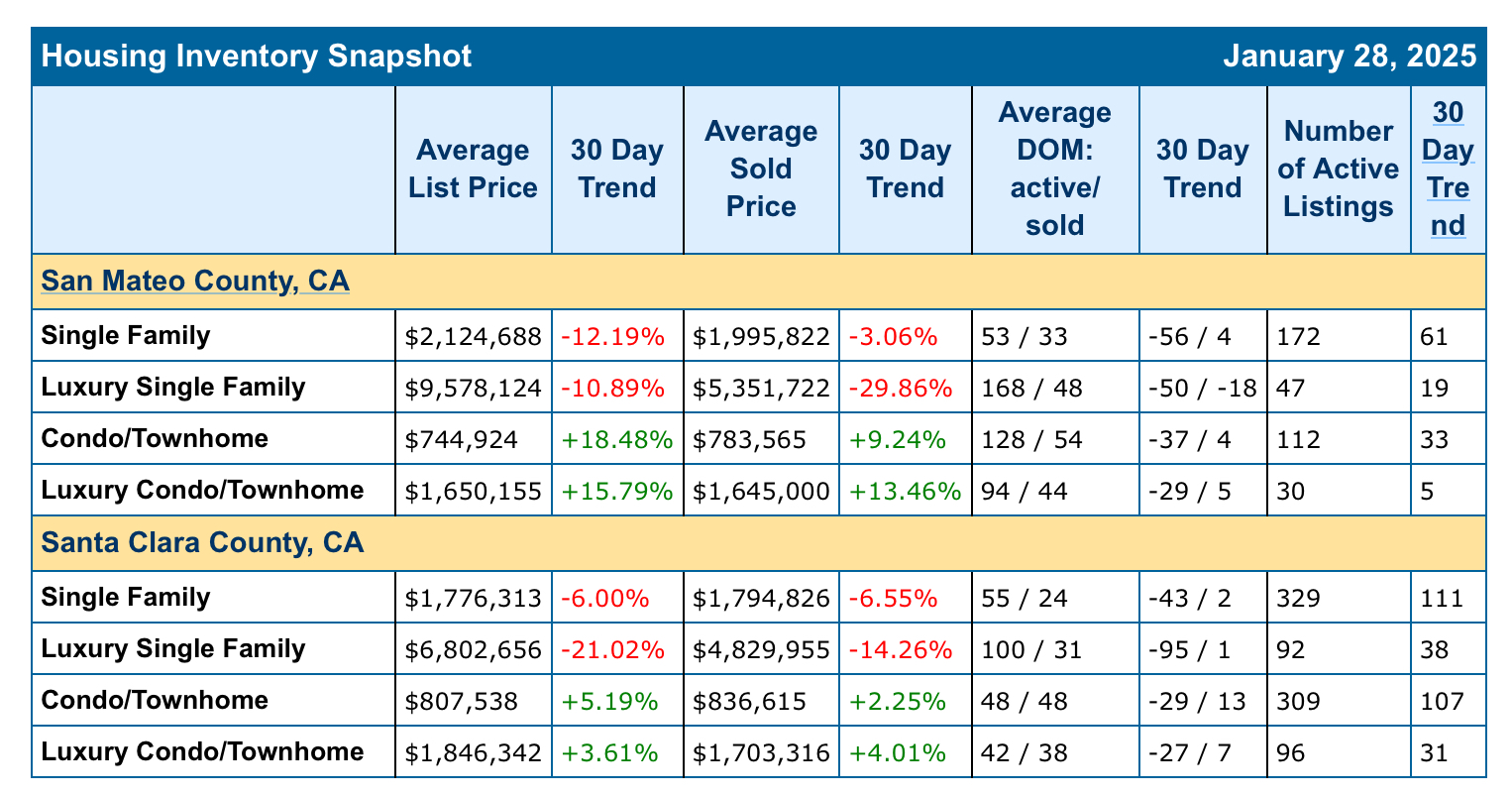
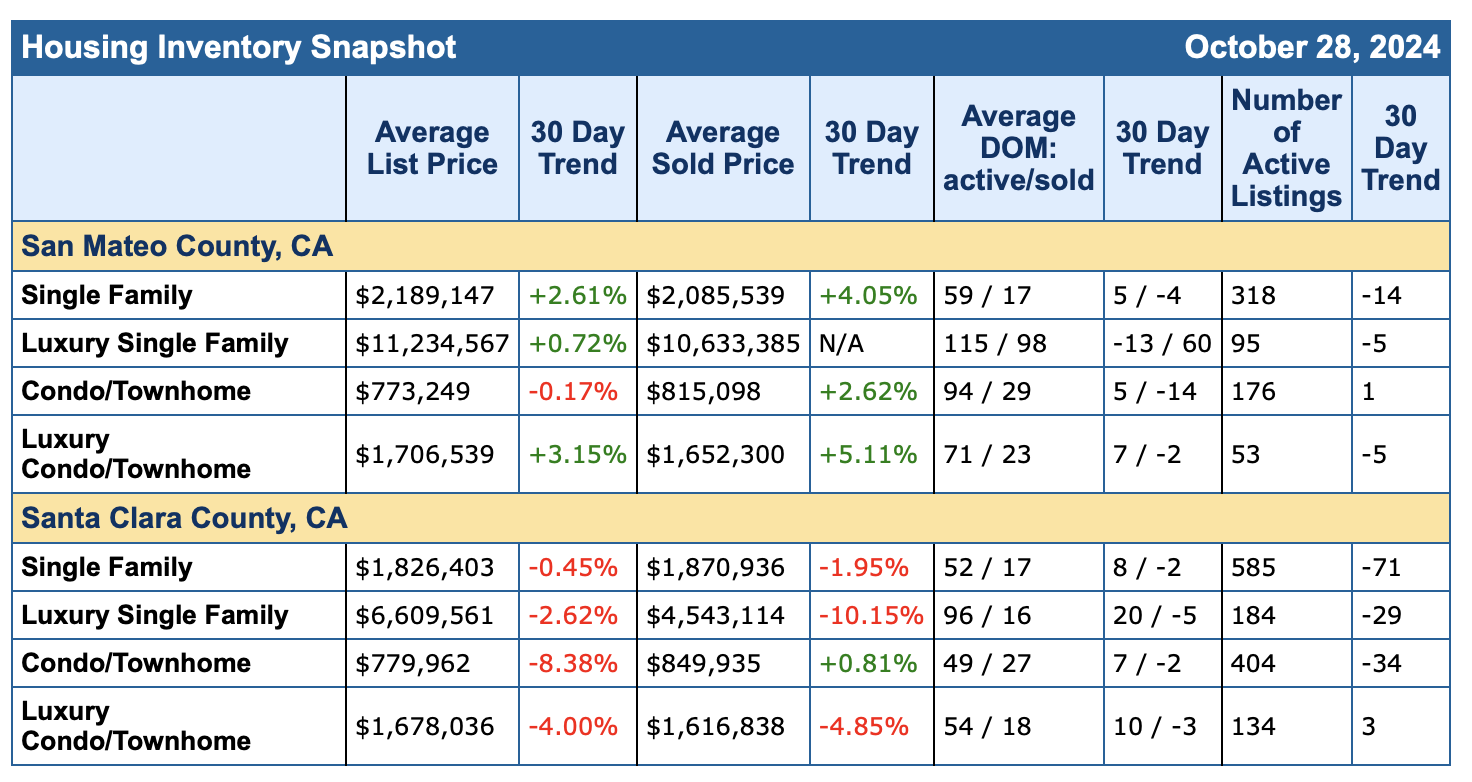
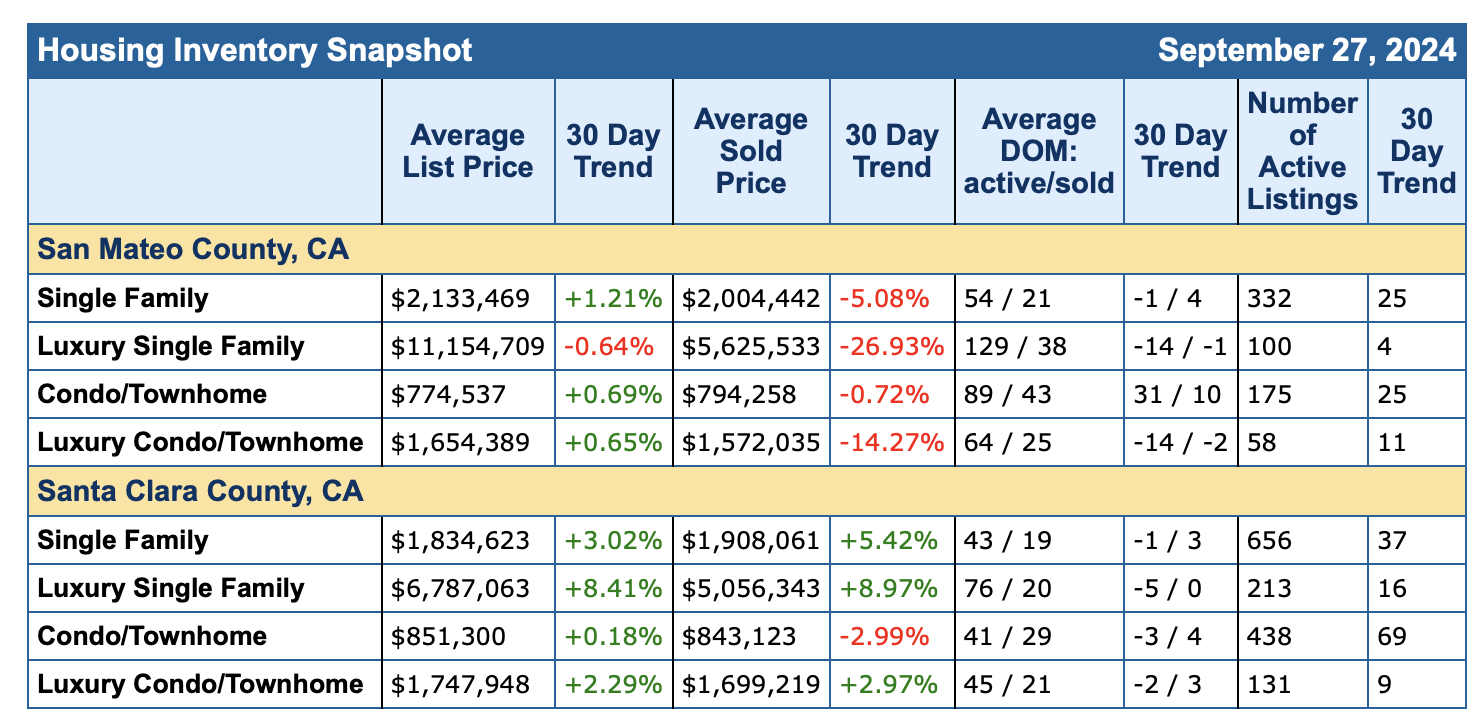
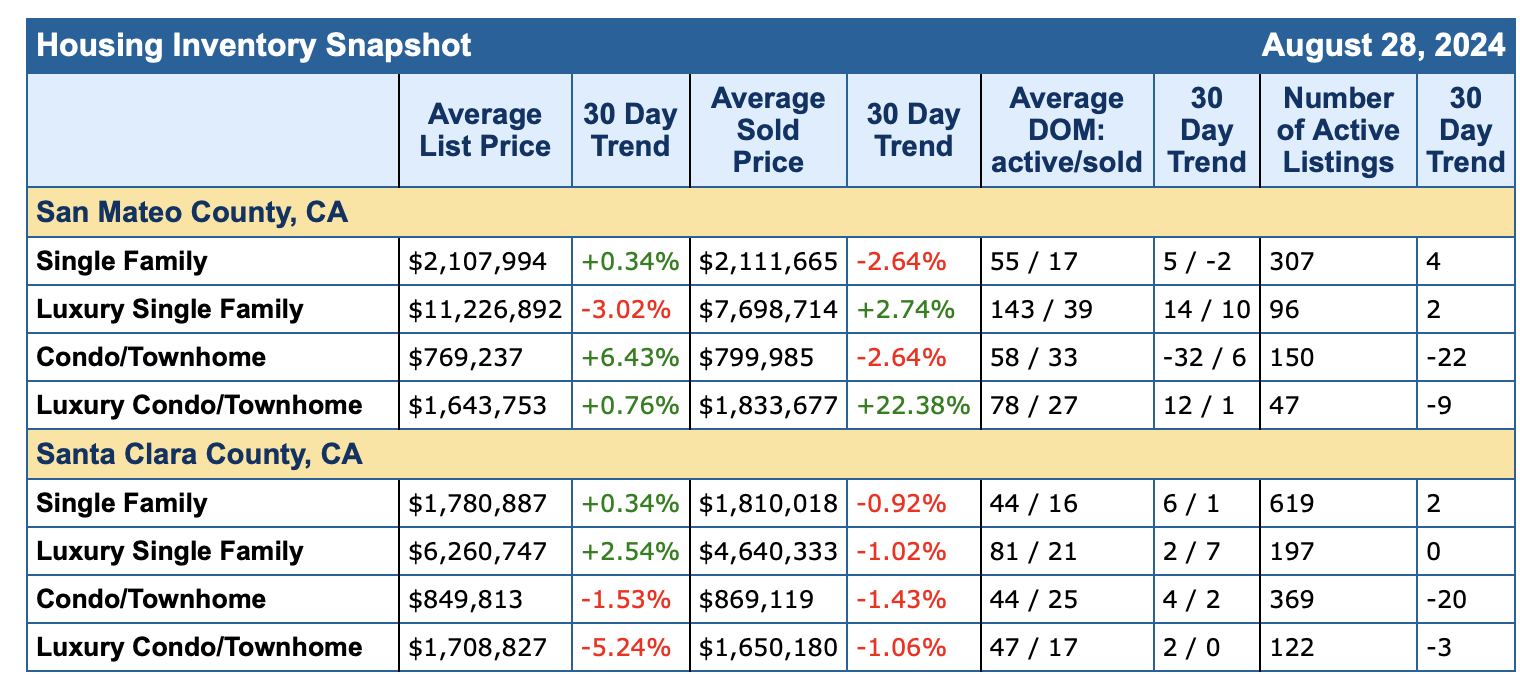
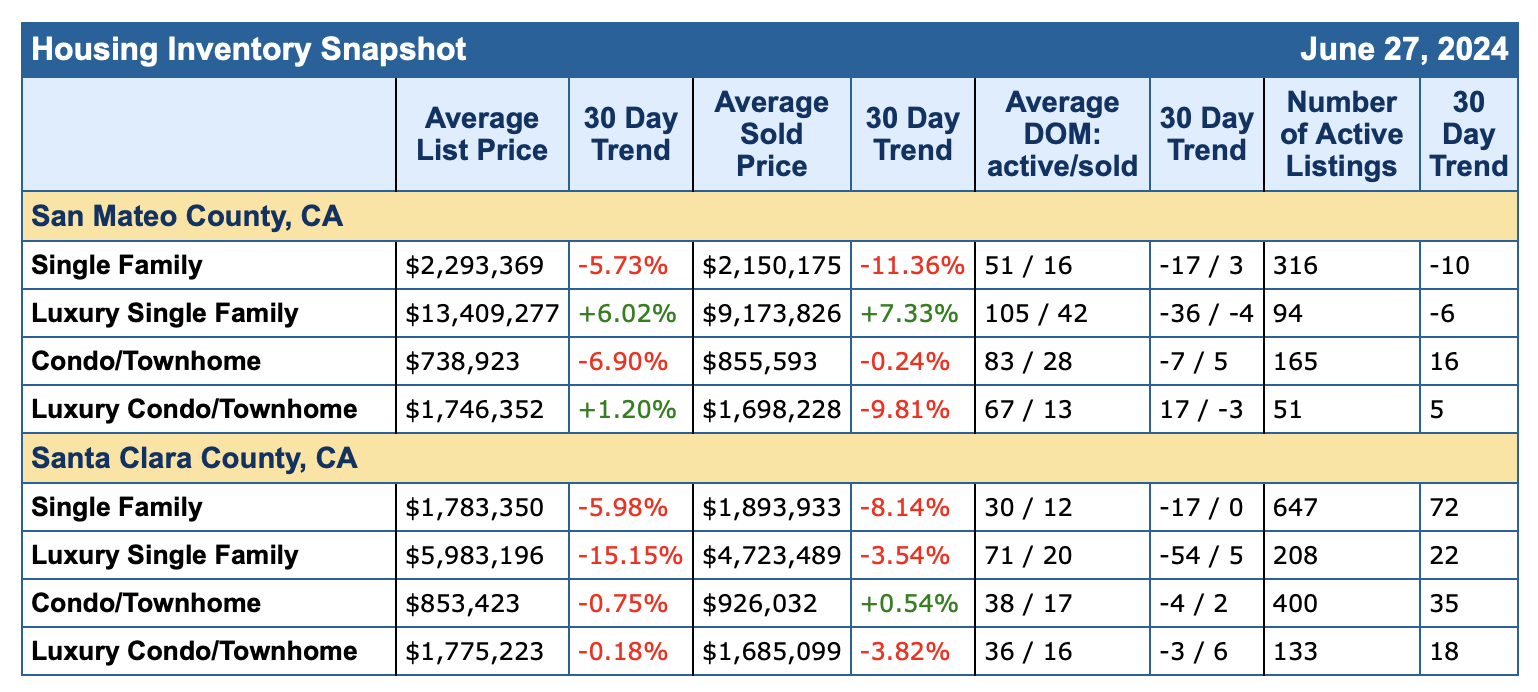
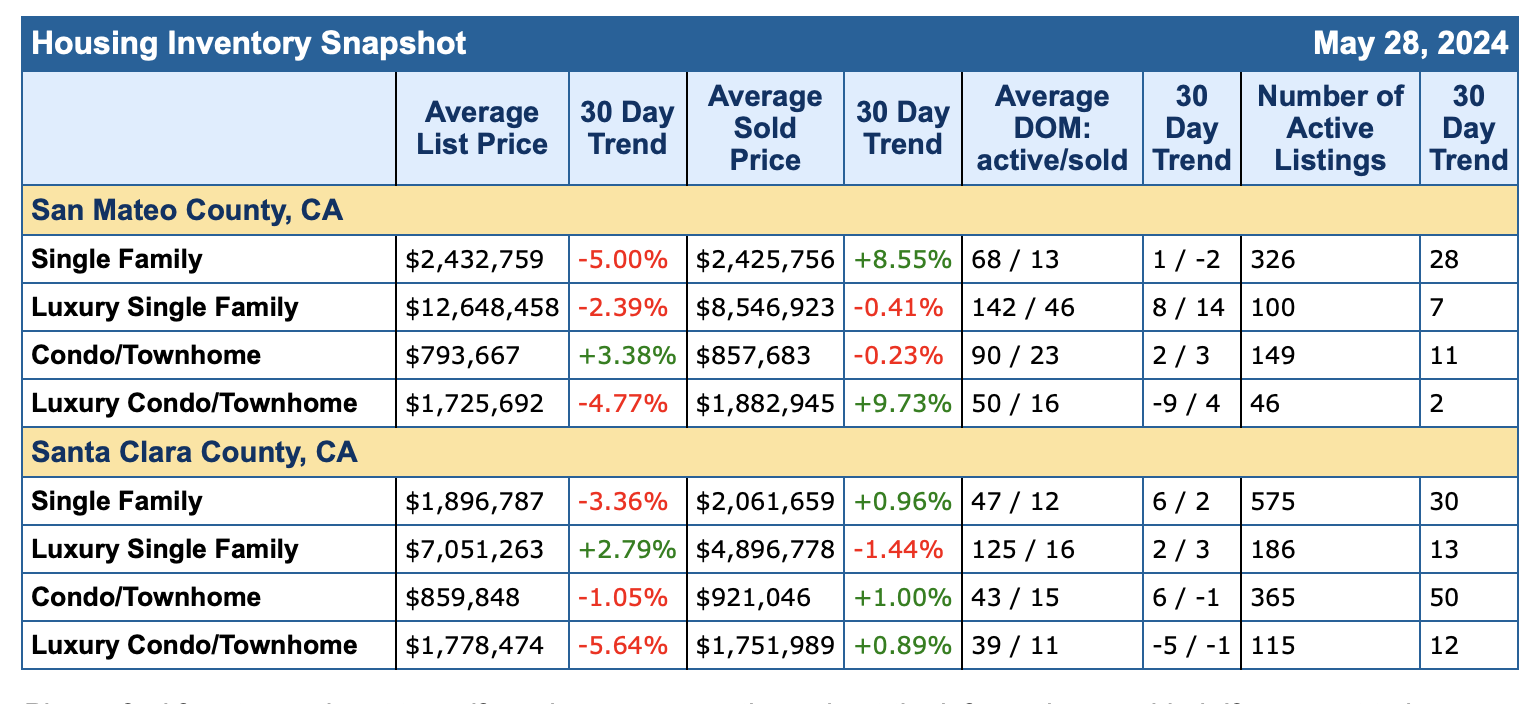
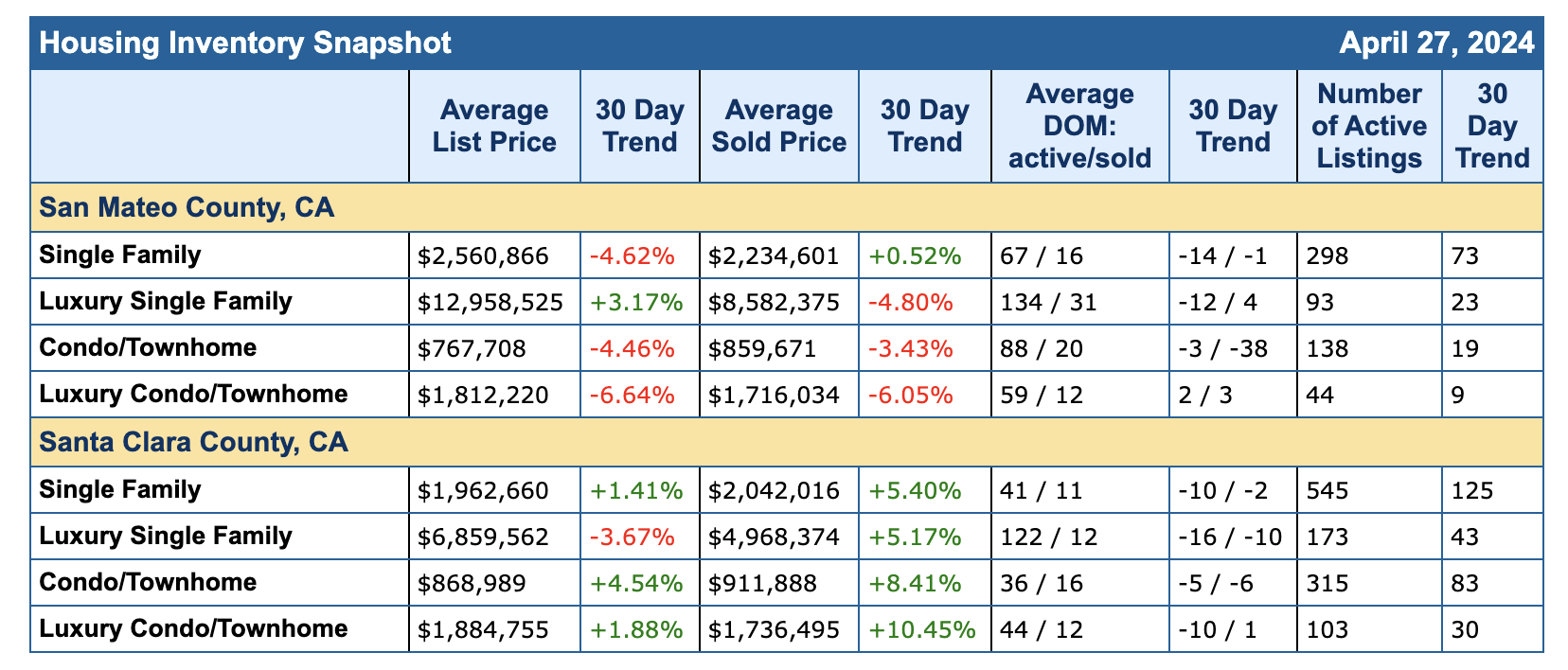
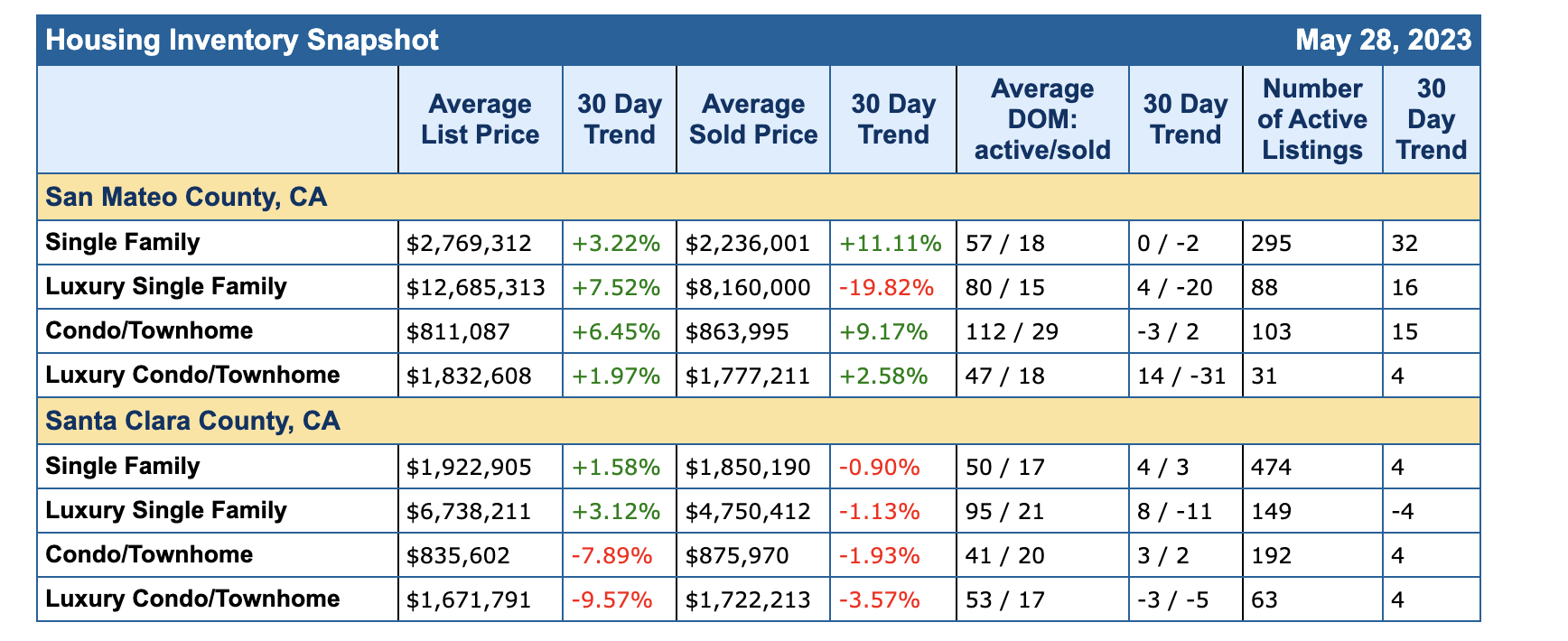
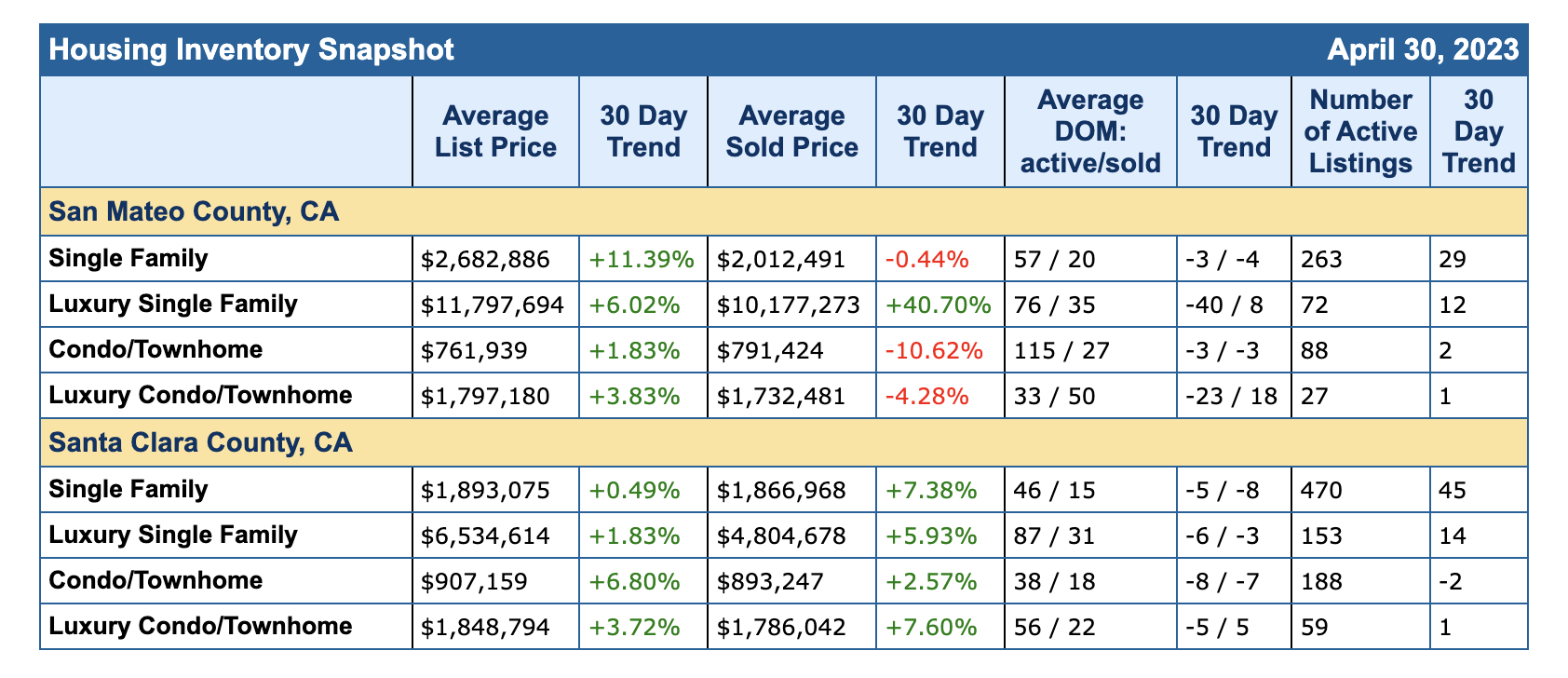
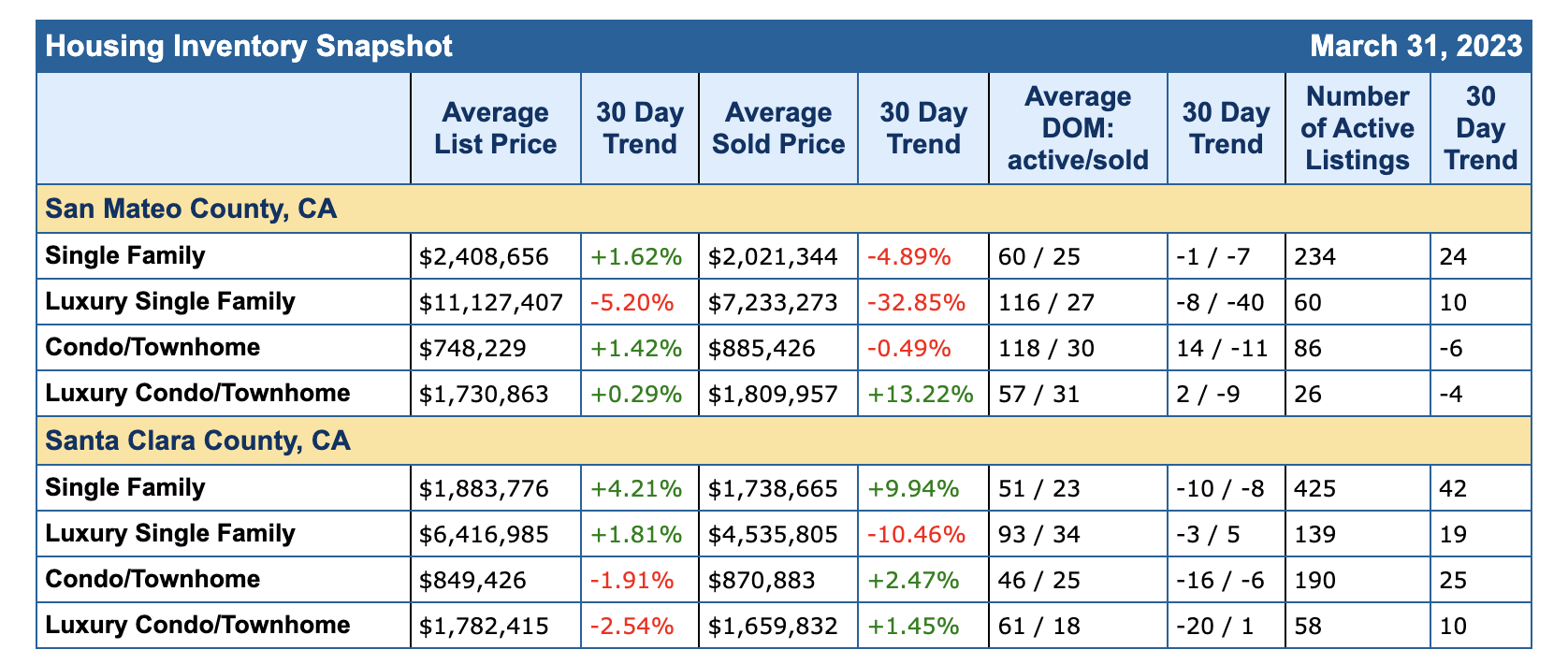
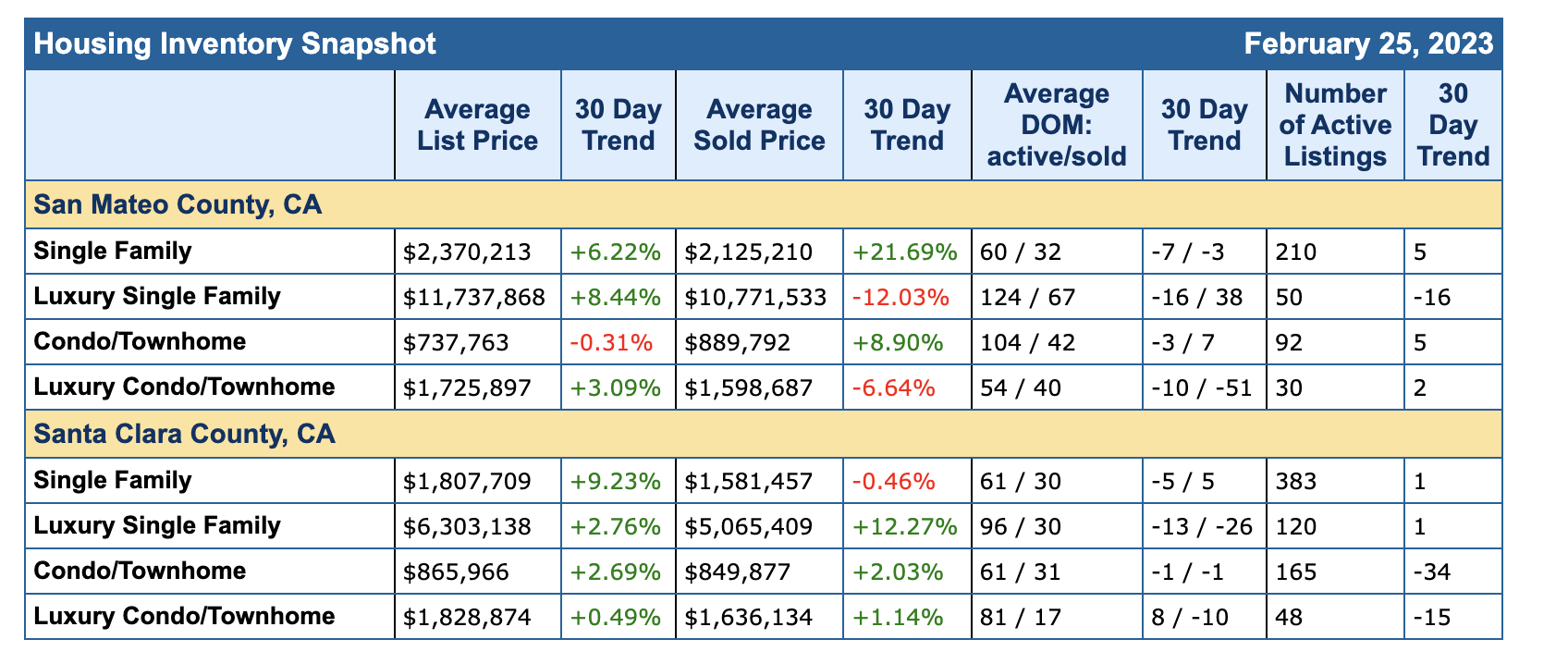
The stats are in for August 2025. We are seeing a slight price adjustment in San Mateo County for Single Family Homes but the rest of the Bay is seeing growth. Feels like the Summer Selling Season is starting late but it’s starting.
For my selling clients, lives change everyday and if you need to sell your home – let’s come up with a strategy to get you sold!
For my buyers, some homes are garnering multiple offers, but some are overlooked. With a little legwork, a buyer can truly find some great opportunities when they align with the market.
If you’re considering a Real Estate move, contact The Caton Team for a free consultation. With over 40 years of combined Real Estate experience, we have the knowledge and know-how to guide you to your goal. Call us at 650.799.4333 or email us at info@TheCatonTeam.com.
Whether you are selling or buying – today or tomorrow – contact The Caton Team – we’re happy to help you achieve your Real Estate goals.
Effective. Efficient. Responsive. The Caton Team 🏡
Each market is unique and with over 40 years of combined Real Estate experience, The Caton Team is more than happy to be of service if and when you are considering a move. Contact us anytime during your journey, together we’ll help you achieve your Real Estate goals.
Got Questions? The Caton Team is here to help.
Call| Text | Sabrina 650.799.4333 |EMAIL | WEB| BLOG
We love what we do and would love to help you navigate your sale or purchase of Residential Real Estate. Please reach out for a personal consultation. Please enjoy our free resources below and get to know our team TESTIMONIALS.
Got Real Estate Questions? The Caton Team is here to help.
We strive to be more than just Realtors – we are also your home resource. If you have any real estate questions, concerns, need a referral, or need some guidance – we are here for you. Contact us at your convenience – we are but a call, text or click away!
The Caton Team believes, in order to be successful in the San Fransisco | Peninsula | Bay Area | Silicon Valley Real Estate Market we have to think and act differently. We do this by positioning our clients in the strongest light, representing them with the utmost integrity, while strategically maneuvering through negotiations and contracts. Together we make dreams come true.
A mother and daughter-in-law team with over 35 years of combined, local Real Estate experience and knowledge – wouldn’t you like The Caton Team to represent you? Let us know how we can be of service. Contact us any time.
Call| Text | Sabrina 650.799.4333 | Susan 650.796.0654 |EMAIL | WEB| BLOG
The Caton Team – Susan & Sabrina A Family of Realtors Effective. Efficient. Responsive. What can we do for you?
Come see this jewel on the coast, The Sequin – 201 Bridgeport in El Granada. This coastal gem features 3 bedrooms and 2 full baths. Freshly painted in and out, step into a cozy living area with custom built in book shelves nestling the fireplace. A reading nook, garden window and skylights round out this space. Venture into the dining area off the kitchen and catch all the action. With updated counters and backsplash, this kitchen is open and inviting. With garden window over the sink and sliding door to the back yard, the outdoors are welcomed in. Down the hall you’ll find the washer and dryer behind the curtain. The hall bath features shower over tub, stylish sink and modern vanity. The primary suite is tucked in back, with shower over tub and rain water shower head. Low maintenance yard with Hot Tub Included. 2 car garage with electrical vehicle charging station. Come enjoy the coastal life at The Sequin. Postal code is Half Moon Bay, home is physically in El Granada. Yearly HOA of $150 includes neighborhood park, close to the harbor, beaches and great dining. Welcome Home to “The Seaquin”.
Call| Text | Sabrina 650.799.4333 |Susan 650.796.0654 | EMAIL | WEB| BLOG
We love what we do and would love to help you navigate your sale or purchase of Residential Real Estate. Please reach out for a personal consultation. Please enjoy our free resources below and get to know our team from our TESTIMONIALS.
Effective. Efficient. Responsive. The Caton Team 🏡 How can The Caton Team help You?
Got Real Estate Questions? The Caton Team is here to help.
We strive to be more than just Realtors – we are also your home resource. If you have any real estate questions, concerns, need a referral, or some guidance – we are here for you. Contact us at your convenience – we are but a call, text or click away!
The Caton Team believes, in order to be successful in the San Fransisco | Peninsula | Bay Area | Silicon Valley Real Estate Market we have to think and act differently. We do this by positioning our clients in the strongest light, representing them with the utmost integrity, while strategically maneuvering through negotiations and contracts. Together we make dreams come true.
A mother and daughter-in-law team with over 35 years of combined, local Real Estate experience and knowledge – wouldn’t you like The Caton Team to represent you? Let us know how we can be of service. Contact us any time.
Call| Text | Sabrina 650.799.4333 | Susan 650.796.0654 | EMAIL | WEB | BLOG
The Caton Team – Susan & Sabrina A Family of Realtors Effective. Efficient. Responsive. What can we do for you?
Finding an affordable loan can seem challenging, especially when you need to borrow money quickly. You must watch out for unfair practices called predatory lending. This is when lenders take advantage of borrowers who don’t understand how loans should work or anyone who is having financial difficulties and needs to find a loan fast. Learning how to spot the signs of predatory lending practices is the best way to identify and avoid a potential financial trap.
What Are Predatory Lending Practices?
Predatory lending is any loan with deceptive, unfair, or illegal terms. These loans frequently have high interest rates, high fees, and other terms that make the loan more expensive and difficult to repay. People who don’t know how loan terms should work and anyone in a financially desperate situation are most at risk of falling victim to predatory lending. If you have a low credit score or require a loan because you struggle to pay your bills or afford another necessary expense, you could be a target. Lenders also often target women and minorities.
Signs and Tactics of Predatory Lending
Lenders who use predatory tactics may try to talk you into taking out a loan despite your concerns regarding your ability to pay it back. They might also offer to help you navigate the loan process to steer you into taking out a loan with less than favorable terms. Some common signs of predatory lending to watch out for include:
High interest rates: Rates that exceed market value or what is standard for your credit score.
Hidden and high fees: Hidden fees or those above the loan type’s average range.
High prepayment penalties: Additional fees for paying the loan in full before the term ends.
Offering too much credit: Beware if your lender is offering you more credit than you can afford.
Balloon payments: A single high payment at the end of the loan that gives the illusion of low monthly payments.
Steering: When a lender tries to get you to accept a subprime, and therefore more expensive, loan even when your credit qualifies you for better terms.
Loan flipping: When a lender offers to extend or refinance the loan and charges new fees each time.
Terms that cost the borrower equity: Homeowners who take out a loan that’s hard to pay back might lose equity in their home.
Asset-based lending: Loans that use an asset like your home or car as collateral. You risk losing the named asset if you fail to repay the loan according to the terms set.
Lower credit-rated loans: Offering terms suited to a lower credit score despite the borrower qualifying for better terms.
Add-ons: Charging more for unnecessary services.
Aggressive lending tactics: Pushing you to accept the loan even if you’re unsure.
Lack of transparency: Failure to disclose all costs and terms before you sign.
Exploitation: Taking advantage of a borrower’s lack of knowledge regarding finances and loans.
Predatory lending is dangerous because it’s practiced even by seemingly reputable lending institutions like banks and mortgage brokers. Many customers encounter deceptive lending when actively searching for a loan, but some predatory lenders send out loan offers in the mail, by phone, and advertise on various media channels.
Types of Loans Associated With Predatory Lending
Any type of loan can be predatory, but some are more prone to using these deceptive practices.
Subprime Mortgages
Lenders may push you into a high-interest loan with poor terms not only to make more money but to benefit from the foreclosure of your home if you can’t make your payments. It’s important to weigh the risks of the loan, understand your finances, and have the ability to make timely payments before you take out any loan.
Payday Loans
Another common example of predatory lending is payday loans. These are short-term loans you are meant to repay with your next paycheck. They have extremely high interest rates and fees. Most borrowers who take out these types of loans have a pressing need for fast cash. Many end up extending the loan and racking up higher debt.
Auto-Title Loans
Stay wary of loans that require your car title as collateral. Auto title loans generally have high interest rates, and the lender can seize your vehicle if you fail to repay the loan.
Unfortunately, lenders come up with new predatory loan strategies all the time. Practices, like buy now and pay later are just one example of how lenders may use unclear loan terms to draw you in.
Anti-Predatory Lending Laws
The government has taken action to help stop lenders from targeting borrowers with unfair loan terms. Most states have some form of anti-predatory lending laws. Consumer protection laws include:
Many states now have some form of anti-predatory lending laws. Regardless, some damage can’t be undone, and borrowers may have lost their homes or gone bankrupt. It’s better to stay vigilant and read the fine print when searching for a loan instead of risking serious consequences later on to secure a loan fast.
How to Protect Yourself From Predatory Lending
Predatory lending is a crime, but that doesn’t stop lenders from trying to take advantage of borrowers who aren’t financially literate. The best way to avoid getting caught in a predatory lending scheme is by educating yourself and comparing offers from several lenders to find the best terms.
Cell| Sabrina 650.799.4333 |Susan 650.796.0654 | EMAIL | WEB| BLOG
We love what we do and would love to help you navigate your sale or purchase of Residential Real Estate. Please reach out for a personal consultation. Please enjoy our free resources below and get to know our team from our TESTIMONIALS.
Effective. Efficient. Responsive. The Caton Team 🏡
Got Real Estate Questions? The Caton Team is here to help.
We strive to be more than just Realtors – we are also your home resource. If you have any real estate questions, concerns, need a referral, or some guidance – we are here for you. Contact us at your convenience – we are but a call, text or click away!
The Caton Team believes, in order to be successful in the San Fransisco | Peninsula | Bay Area | Silicon Valley Real Estate Market we have to think and act differently. We do this by positioning our clients in the strongest light, representing them with the utmost integrity, while strategically maneuvering through negotiations and contracts. Together we make dreams come true.
A mother and daughter-in-law team with over 35 years of combined, local Real Estate experience and knowledge – wouldn’t you like The Caton Team to represent you? Let us know how we can be of service. Contact us any time.
Cell | Sabrina 650.799.4333 | Susan 650.796.0654 | EMAIL | WEB| BLOG
The Caton Team – Susan & Sabrina A Family of Realtors Effective. Efficient. Responsive. What can we do for you?
There’s no guarantee a lender will approve your mortgage application. Here’s a look at how lenders decide to extend credit, and some common reasons why mortgage applications get rejected.
For borrowers in today’s expensive housing market, getting approved for a mortgage can be a challenge. Mortgage rates have soared from pandemic-era lows, home values are near record highs and home price appreciation is outpacing wage growth.
All of that means there’s no guarantee a lender will approve your mortgage application. Here’s a look at how lenders decide to extend credit, and some common reasons why mortgage applications get rejected.
How does mortgage underwriting work?
Mortgage underwriting is the process of verifying and analyzing the financial information you provide your lender — all with the goal of giving you an answer of yes, no or maybe. As part of the application, you hand over bank statements, W-2s and other tax documents, recent pay stubs and any additional documentation the lender requires.
Dispense with any stereotypes about the old days of lending or the movie “It’s A Wonderful Life”, when a banker determined your creditworthiness by the firmness of your handshake and the crispness of your shirt. In most cases, a loan officer or mortgage broker will collect your information and submit it to an underwriting software system. Loans that will be sold to Fannie Mae, for example, use Desktop Underwriter (DU), while loans sold to Freddie Mac leverage Loan Product Advisor (LPA).
Fannie Mae and Freddie Mac are government-sponsored enterprises that interface with lenders to keep the mortgage market stable. Between them, they buy or back about two-thirds of all U.S. home loans.
Systems like DU and LPA don’t allow for much in the way of human judgment. The software determines whether you’re either approved, rejected or asked for additional information.
Such automated underwriting, as it’s officially called, is the norm nowadays — part of the reforms to the mortgage financing world developed after the 2007–09 mortgage meltdown and subsequent financial crisis. “Prior to the crisis, there was more leeway,” says Bill Banfield, chief business officer at Rocket Mortgage. “Now, most of that subjectivity is gone.”
There are many reasons — from your income to the type of property you’re buying — that you could see your mortgage declined by underwriter software. And if it does, there may be little the human loan officers can do about it.
Keep in mind: Beyond your approval or denial, the main thing the lender decides during underwriting is your mortgage’s interest rate. They also use underwriting to determine how much to charge you in fees.
Reasons for mortgage denial
“There are a thousand potential questions Fannie (or Freddie) could return,” says David Aach, chief operating officer at Blue Sage Solutions, a mortgage technology firm. “That’s the nightmare of the underwriting process.” Here are some of the more common reasons underwriters reject mortgages.
1. You have credit issues
Your credit score is the single most important factor in determining your mortgage rate – and whether you get approved at all. Generally, the best deals go to borrowers with credit scores of 740 or above, and ones in the “good” range — 670 to 739 — are the most desirable.
You can qualify for some types of mortgages with much lower scores than others. For instance, VA loans are generally available to borrowers with scores of 620 or above, while loans backed by the FHA can go to those with scores as low as 500.
Before applying for a mortgage, check your credit score and credit report and dispute any errors. If your credit score is low, work on boosting it before you apply (for example, you could ask a card company to increase your credit line, which automatically lowers your credit utilization ratio). If you have a qualifying credit score, make sure you don’t do anything during the mortgage process to cause it to drop, like miss a payment, max out a credit card or apply for some other new loan.
If you don’t have a credit score at all, some lenders do have alternative credit scoring methods, such as analyzing your bank deposits. In fact, in January 2025, Fannie Mae released a new update to DU in support of “increasing access to credit for populations such as those with limited or no credit histories.”
2. You have an income shortfall
Your debt-to-income (DTI) ratio — the portion of your gross (pre-tax) monthly income spent on repaying regular obligations — signals to lenders whether you’re in a position to take on an additional major debt. If your DTI is too high, you may be rejected for a mortgage. Most lenders require a DTI of less than 43%. Some will go up to 50% if you have factors to offset that higher DTI, like a big savings account.
Aim for your payment obligations to make up about one-third of your income: A DTI around 36% is the ideal, qualifying you for better loan terms. If you owe a lot in student loans, car loans or credit card balances, work on bringing those balances down before applying for a mortgage.
Also, think about the length of the loan: The longer its term, the more affordable its monthly payments. So, opting for a 30-year mortgage might lower your chances of getting your mortgage declined by underwriter software. Keep in mind, though, that you’ll pay more in interest over the loan’s lifespan, compared to shorter-term loans.
On the income side, issues often emerge when the mortgage applicant is self-employed. The software is geared to W-2s — the wage-and-tax-statement from an employer — and might flag your file when you use alternative ways to prove your income. It might also cause an issue if your income stream is irregular, even if your earnings are high.
Also, business owners often maximize write-offs and expenses when doing their taxes — but that common practice flummoxes the underwriting models. “Self-employed people know what they make, but they don’t know what an underwriter is looking for,” says Tom Hutchens, president at Angel Oak, a lender specializing in non-qualified mortgage (QM) loans (mortgages outside the conventional criteria). “They might be fully approved, but then an underwriter looks at the tax returns” and sees that “$10,000 a month might become $5,000 a month in income.” The lower amount upsets the software, which then dings the applicant.
3. The loan-to-value (LTV) ratio is too high
Lenders also look at how much of a mortgage you want vis-à-vis the value of the home you’re buying — something called the loan-to-value (LTV) ratio.
The bigger your down payment, the less you borrow, and the lower your LTV. For instance, if you’re buying a $400,000 house with a down payment of $80,000, your LTV is a comfortable 80%. But if you’re putting down $20,000 and financing the remaining $380,000, the LTV is up to 95%. (While there’s no single perfect LTV percentage, lenders usually like to see it around or below 80% — for conventional loans, anyway.)
Low down payments are one of the big reasons for mortgage denial. The higher your LTV, the higher the likelihood that your loan will be flagged for follow-up questions, or rejected altogether. If you feel you need help lowering your LTV, look into down payment assistance — every state has these programs, especially for first-time buyers — to increase the amount of cash you can bring to the deal.
4. You’re trying to finance an out-of-favor property
Not all homes are created equal, as far as lenders are concerned. The traditional, detached single-family residence still rules, and alternatives can confound.
Condos are one particularly tough type of home to finance. In response to the June 2021 collapse of an oceanfront tower near Miami, Fannie and Freddie rolled out new rules covering condo loans. The giant mortgage market-makers have decided not to finance some buildings that have low reserves, need repairs or are facing lawsuits. Critics say the stricter reviews are causing condo sales to fall apart, even in buildings with no structural issues.
Manufactured homes also can be challenging to finance. And if appraisers or inspectors find a structural flaw or other issue with the home itself, that also can slow the approval, or even kill it.
5. Something recently changed in your financial life
The lending process prizes financial stability and predictability (remember what we said about income, above). Unfortunately, a recent job change or period of unemployment can throw a wrench in your approval. A short employment history or interruption in earnings sends warning signals to the software, too.
Unusual activity in your bank account can be another issue, even if it grows your cash reserves. Large, unusual deposits might indicate you borrowed money for your down payment — which you may need to repay along with your mortgage. If you got money from relatives to help you buy a house, make sure to submit a gift letter as part of your application.
6. You don’t meet the loan program’s requirements
Different types of loans come with different specifications.
If you want to get an FHA-insured loan, for example, your house can’t exceed the loan limit applicable to the location. In 2025, that is $524,225 in most areas. The house also needs to pass a special type of appraisal that looks at the property’s condition. The specifics put in the place by the FHA add more potential reasons for mortgage denial.
Similarly, loans backed by the VA and the USDA have their own unique requirements.
On top of all of this, lenders generally have their own proprietary guidelines. Failing to meet any of them can lead to your mortgage application being denied.
7. You’re missing information on your application
Make sure to fill out the mortgage application in its entirety. If it’s incomplete, the underwriting software might discard your application, resulting in an automated rejection.
How to get a mortgage after your application is denied
If you have a unique income situation, such as owning a business with unsteady cash flow, you might apply for a non-QM mortgage. These loans come with more flexible credit criteria and income requirements than conventional loans, making them ideal for those who don’t fit within the standard borrower box.
If your credit score or LTV was the problem, you can also consider loans backed by the FHA or VA. Their terms are more generous, geared toward borrowers with lower credit scores or little cash for down payments.
Manual underwriting
The vast majority of conforming loans — those eligible to be bought by Fannie and Freddie — are decided via automatic underwriting. It’s fast, cheap and takes bias out of the process. But some loans are still reviewed by a human. Lenders often do manual underwriting when an application would likely be denied through an automated system, or if the borrower has some unusual circumstances but is otherwise qualified.
Certain types of mortgages, like jumbo loans and non-QM loans, are more likely to be manually underwritten. But you can request it for any mortgage, if you believe your particular situation will not be fully understood by the software. Be prepared to supply additional paperwork — financial statements reaching farther back, for example — and for a longer process. Bear in mind that, even with a manual underwriter, your loan still has to conform to specific requirements.
Bottom line
The mortgage application process can be full of surprises — with a key one being that an automated underwriting system often decides your approval or denial. The key reasons underwriters reject mortgages often involve credit score issues, income shortfalls, high LTV ratios, property type or recent changes in your financial situation. But the software doesn’t necessarily have to have the last word.

Find out why your application was denied, and then seek remedies. You can explore alternatives to conventional conforming loans, or request manual underwriting (a review by a human underwriter), for example. Any of these may provide a pathway to homeownership.
FAQs
How long do underwriters take to approve a mortgage?
It depends on the lender, the tools they use and how good you were at providing the required information. On average, it takes about 44 days to close a new-purchase mortgage.
How worried should I be about underwriting?
Not very. Take steps before you approach lenders — like paying down other debts and improving your credit score — and you should feel confident when applying. If you’re still nervous, you can explore prequalification before you seek preapproval. This is a less stringent process that can give you an idea of where you stand.
What are some things I should not do during underwriting?
To avoid a mortgage declined by underwriter teams, do two things. First, don’t make any financial changes. Keep paying your bills on time and don’t open any new loans or lines of credits. Second, stay responsive. The lender might ask for additional information. If you don’t provide it in a timely manner, it can lead to denial.
I read this article HERE. By Jeff Ostrowski, Bankrate.com
Got Questions? The Caton Team is here to help.
Cell| Sabrina 650.799.4333 |Susan 650.796.0654 | EMAIL | WEB| BLOG
We love what we do and would love to help you navigate your sale or purchase of Residential Real Estate. Please reach out for a personal consultation. Please enjoy our free resources below and get to know our team from our TESTIMONIALS.
Effective. Efficient. Responsive. The Caton Team 🏡
Got Real Estate Questions? The Caton Team is here to help.
We strive to be more than just Realtors – we are also your home resource. If you have any real estate questions, concerns, need a referral, or some guidance – we are here for you. Contact us at your convenience – we are but a call, text or click away!
The Caton Team believes, in order to be successful in the San Fransisco | Peninsula | Bay Area | Silicon Valley Real Estate Market we have to think and act differently. We do this by positioning our clients in the strongest light, representing them with the utmost integrity, while strategically maneuvering through negotiations and contracts. Together we make dreams come true.
A mother and daughter-in-law team with over 35 years of combined, local Real Estate experience and knowledge – wouldn’t you like The Caton Team to represent you? Let us know how we can be of service. Contact us any time.
Cell | Sabrina 650.799.4333 | Susan 650.796.0654 | EMAIL | WEB| BLOG
The Caton Team – Susan & Sabrina A Family of Realtors Effective. Efficient. Responsive. What can we do for you?
You must be logged in to post a comment.